是不是代表他们 都不正经 代表他们都有问题
“Does it mean they're all indecent and dubious?”
THE DIALOGUE REEL
“Yuehai has over 20 karaoke bars and a dozen dance halls now. Hundreds of people visit these places every day.”
是不是 代表他们 都 不正经 代表他们都 有问题
“Does it mean they're all indecent and dubious?”
我有问题
“Then I'm indecent.”
“You cannot paint everyone with the same brush just because of where they go.”
In contemporary Chinese social history, venues like ballrooms (舞厅) often carried cultural stigmas of moral laxity or illicit activity, prompting sharp debates between traditional moralists and open-minded urbanites.
LEARNING CHUNKS & PARTICLES
improper / not decent / dubious
Very frequently used in spoken Chinese to criticize someone's lifestyle, morals, or behavior as sketchy.
to be problematic / suspicious / guilty
When applied to people rather than inanimate objects, it often implies moral corruption, mental irregularity, or criminal suspicion.
VOCABULARY & EXPRESSIONS
Parallel Spoken Cinema Scenes (语义近邻切片)

“indecent, and unreliable.”

“Stop hanging around with these people.”

“The other talk is for here.”
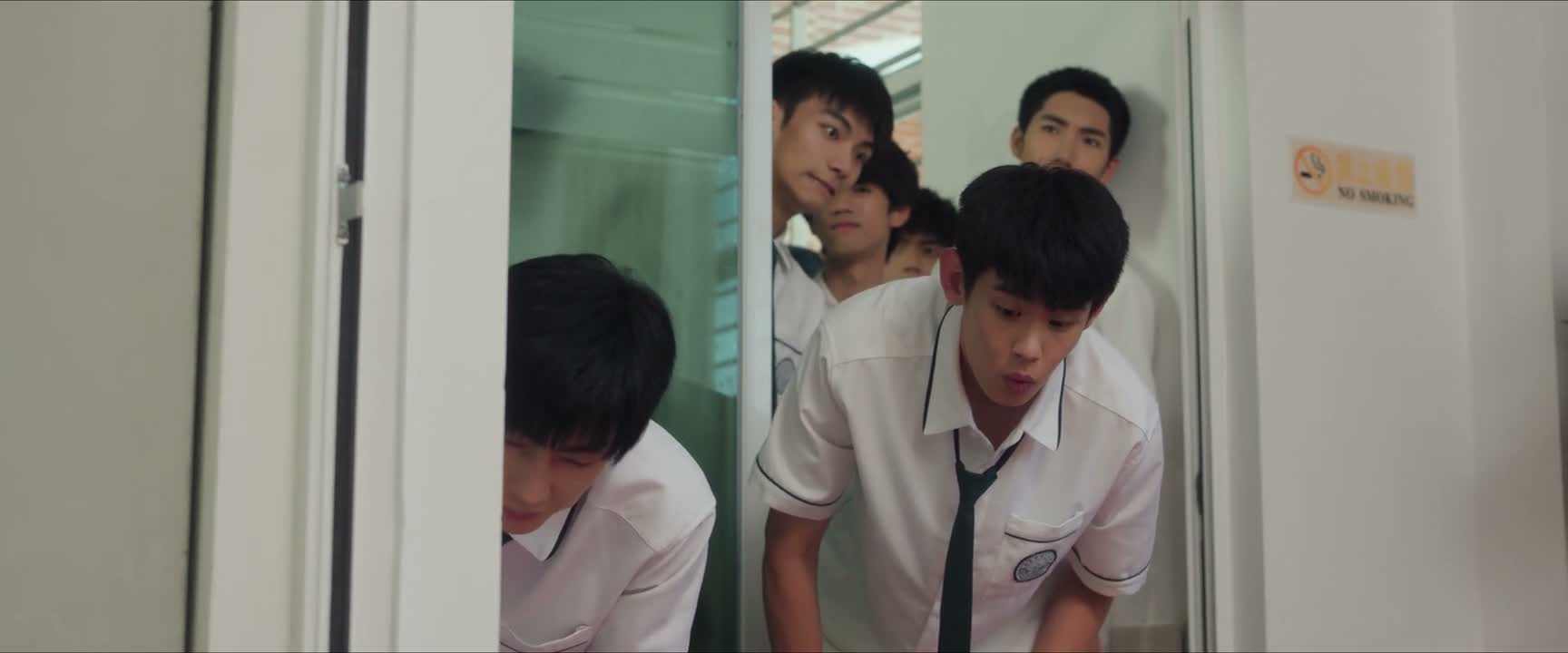
“[No Smoking] Then what did you mean? You just look down on”

“Looking down on us? No, that's not it. No, wait.”

“That's just my regular roommate. I never said otherwise.”