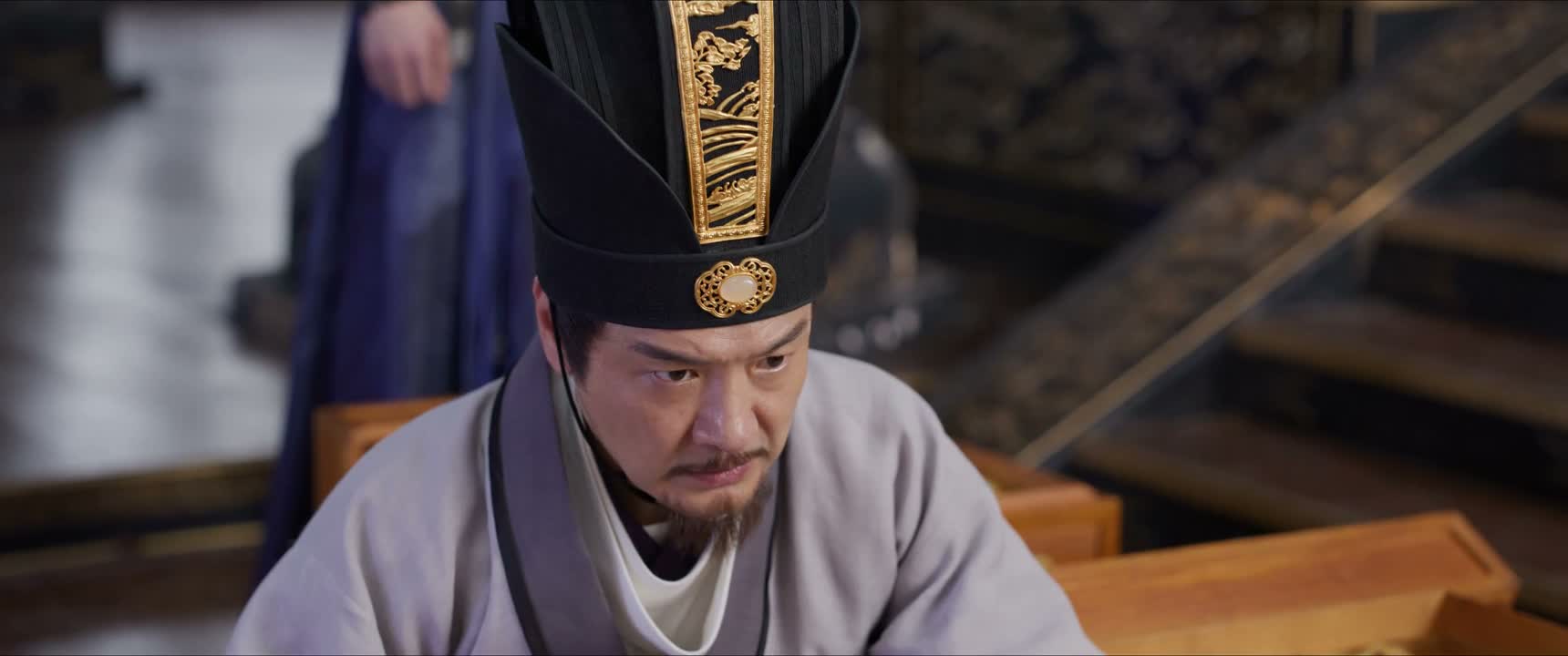
都是你干的对吧 不是
“were all your doing, right? No.”
THE DIALOGUE REEL
这个卫岗街 田棚街 还有槐北路的案子
“The cases on Weigang Street, Tianpeng Street, and Huaibei Road”
都是你干的 对吧 不是
“were all your doing, right? No.”
“I didn't do it. You've got the wrong person. If you didn't do it, why did you run?”
“We know you're guilty, so give it up. / It wasn't me, stop pinning this on me!”
Chinese police interrogations frequently use leading presumptive questions like '对吧' to gauge involuntary body language and trigger rapid defensive responses.
LEARNING CHUNKS & PARTICLES
you did all of this / it was all your doing
Often used in accusatory contexts when pointing fingers at someone responsible for misdeeds.
right? / isn't that so?
A tag question used here to apply psychological pressure and invite confirmation.
Pushes the addressee to confirm an accusatory assumption.
VOCABULARY & EXPRESSIONS
Parallel Spoken Cinema Scenes (语义近邻切片)
“means it wasn't you. Obviously,”
“Look what you've done!”
“This is all your fault!”
“Wait, what are you doing?”
“all of this.”

“Is it you? Is it you? Is it you?”