我没干 你们是不是搞错了 不是你干的为什么跑
“I didn't do it. You've got the wrong person. If you didn't do it, why did you run?”
THE DIALOGUE REEL
我没干 你们 是不是 搞错了 不是你干的 为什么 跑
“I didn't do it. You've got the wrong person. If you didn't do it, why did you run?”
我
“I-I got into a fight at the hospital.”
“You've got the wrong guy, stop framing me!”
In Chinese interrogations, running away is commonly taken as direct circumstantial evidence of a guilty conscience ('做贼心虚').
LEARNING CHUNKS & PARTICLES
made a mistake; got it wrong
A standard conversational way to tell someone they have made an error or misunderstood a situation.
VOCABULARY & EXPRESSIONS
Parallel Spoken Cinema Scenes (语义近邻切片)

“What do you want, Tan? No, Xie, I really didn't mean it.”

“- Please sign in. - That's not necessary, is it? Ma'am. What are you doing? Don't push.”

“What am I paying you guys for? Why haven't you driven her away? I'm sorry.”

“Why fire her? I said she can't work here.”

“I don't know. Why are you running away?”

“What did you think I was skipping class for? I had to find something to do.”

“can't do it. What can you do? Serving food?”

“♪ Time is like a plague, devouring yesterday ♪ Zhang Haixia, what are you doing? I don't want to go back to Xiacheng.”
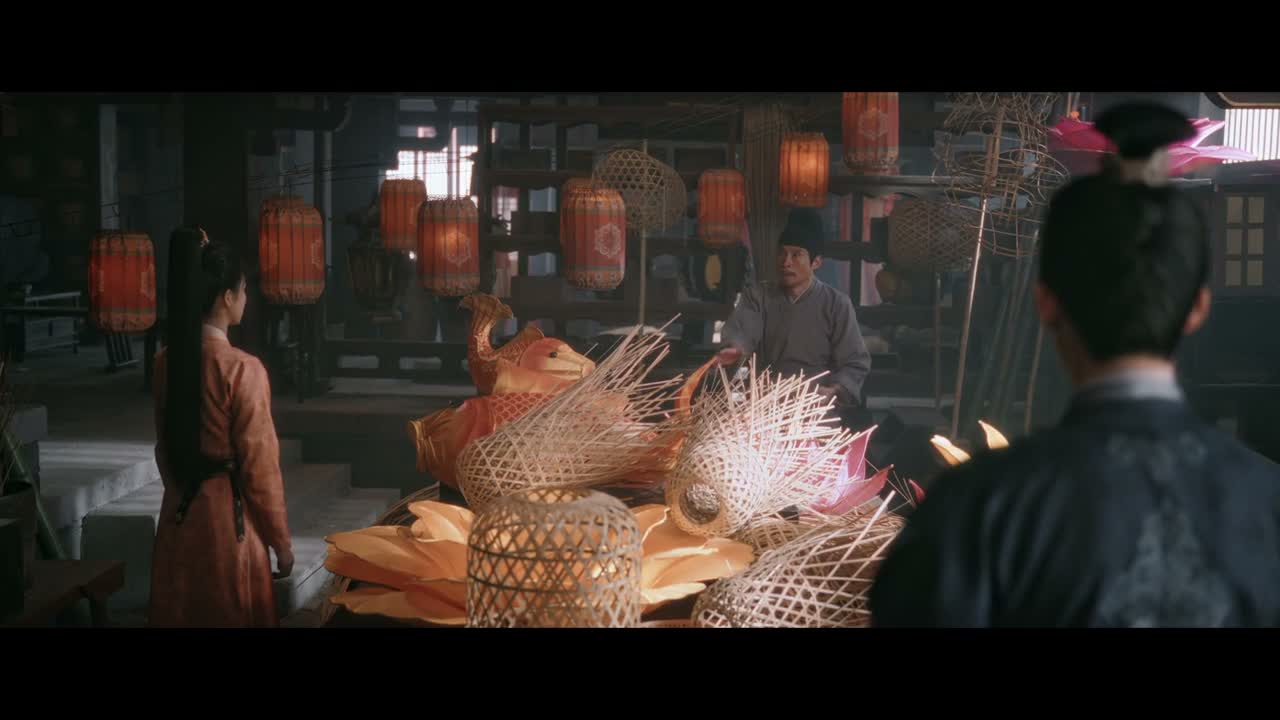
“I didn't do it. I didn't do it.”

“What are you doing? Nothing. I came out to answer a call.”

“How did it get physical? What? Stop arguing!”

“Why ask if you won't let me order?”

“Because I didn't do it! How did they”

“Fan! What are you doing? Y-You have no respect for the law!”

“If you don't want to be the chairman, what are you going to do?”

“- What are you doing? - Judge Wang, what is the meaning of this? You can't arrest me!”

“What are you doing? I'm cooking here. And you can't cook.”

“What's with you? It's too harsh.”

“Why volunteer to come here and suffer?”

“I was wondering why she chose to quit.”

“What are you doing? Shouldn't we at least ask them first?”