可是他就不是我 如果他是我的话 那我是谁?
“But it's not me. If that's me, then who am I?”
THE DIALOGUE REEL
- 他真的就是你 - 但他…
“- It really is you. - But…”
可是 他 就不是我 如果 他是我的 话 那 我是谁 ?
“But it's not me. If that's me, then who am I?”
我不存在吗?
“Do I just not exist?”
“Stop telling me we are the same person—you are erasing my very existence!”
Posing rhetorical self-identity questions ('我是谁?') in Chinese drama conveys profound psychological alienation and a plea for external validation of selfhood.
LEARNING CHUNKS & PARTICLES
he simply is not
Using '就' here acts as an intensifier indicating certainty, stubbornness, or direct contradiction of what someone else claimed.
if ..., then ...
A standard conditional structure used to build a logical challenge or hypothetical argument in spoken dialogue.
Marks the preceding clause as a hypothetical condition in spoken discourse.
VOCABULARY & EXPRESSIONS
Parallel Spoken Cinema Scenes (语义近邻切片)

“If it's not him, then who could it be?”

“You think I'm him too, don't you?”

“I feel like he's another version of me.”

“She's not my girlfriend.”
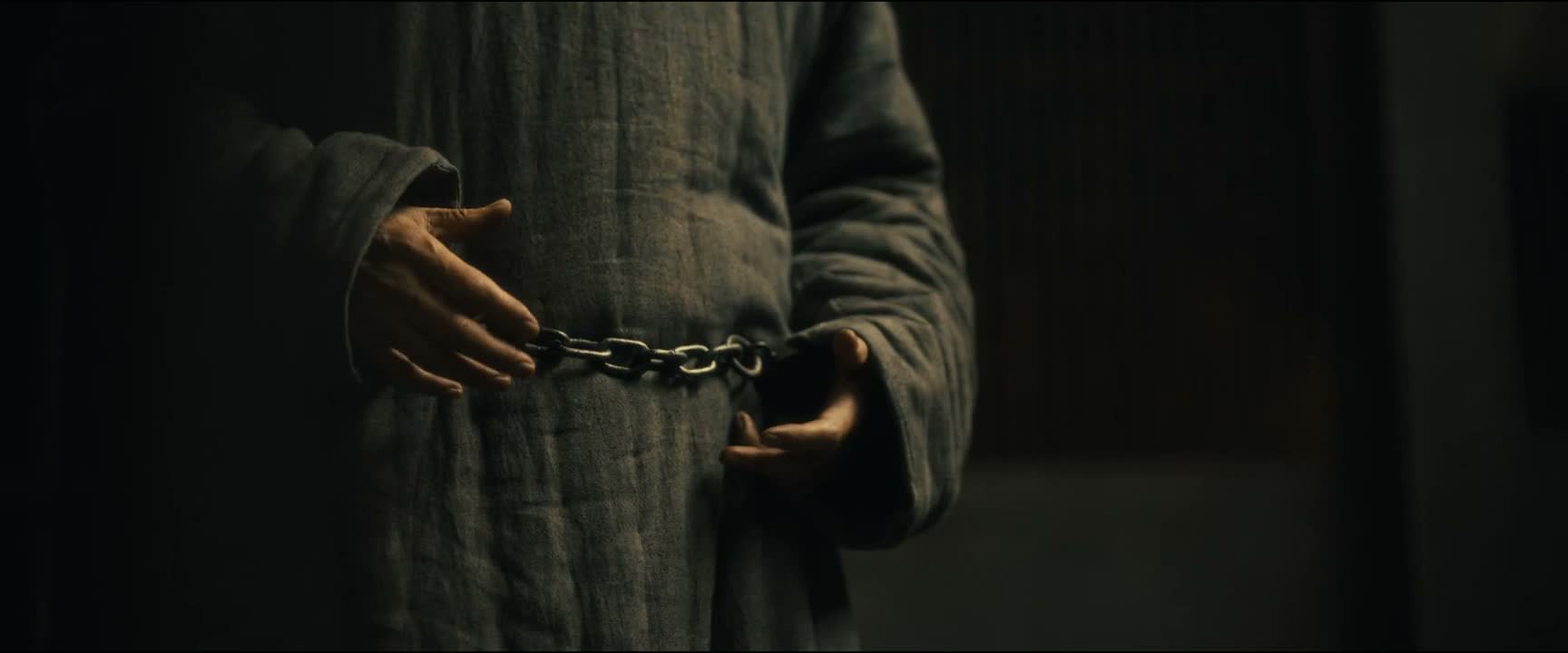
“I wouldn't be me anymore.”

“I have nothing to do with his business.”