我不是叫你约他了吗?
“Didn't I tell you to call him?”
THE DIALOGUE REEL
他又不一定会来
“He's not guaranteed to show up.”
我 不是叫你 约他 了吗 ?
“Didn't I tell you to call him?”
我们男生约聚会 都很随兴的好不好?
“When guys hang out, it's chill, okay?”
“I gave you a clear job to do, why didn't you just invite him like I told you?”
In Chinese interpersonal communication, negative rhetorical questions (我不是……了吗) are a very common device for expressing annoyance and demanding accountability among familiars.
LEARNING CHUNKS & PARTICLES
didn't I tell you to...?
A highly frequent rhetorical complaint pattern used to express annoyance when an agreed-upon or commanded action was seemingly ignored.
Marks the completion of the prior request and establishes current relevance.
Forms the rhetorical question used to prompt an explanation or admission of fault.
VOCABULARY & EXPRESSIONS
Parallel Spoken Cinema Scenes (语义近邻切片)
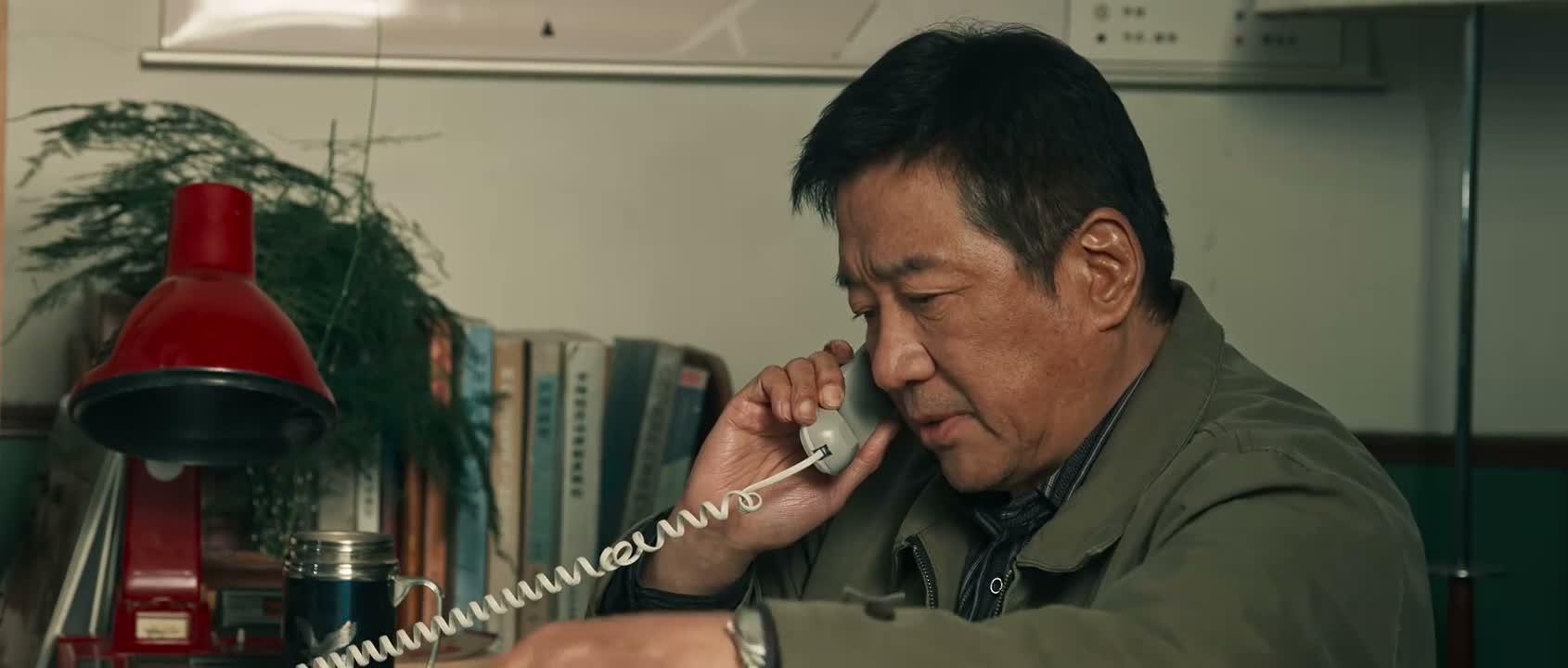
“I've already made plans with him.”

“Others might think it was planned.”

“If I'd made an appointment with him beforehand,”

“You have an appointment with her? Can't I do that?”

“I had a client meeting scheduled,”

“why don't you just ask him for a drink yourself?”