咱分开教育是吧 那日子是不是也分开过
“So we teach them separately? Should we live separately too?”
THE DIALOGUE REEL
我教育我的
“You teach your children, and I teach mine?”
咱 分开教育 是吧 那日子 是不是 也 分开过
“So we teach them separately? Should we live separately too?”
“I didn't say that. If you want to, I'm okay.”
“If you refuse to co-parent with me, we might as well get a divorce.”
Chinese couples often escalate a specific functional disagreement, such as child education, into an existential relationship question like 'living separately' to force the other party to back down.
LEARNING CHUNKS & PARTICLES
to live separately; to split up or divorce
A common colloquial euphemism for marital separation or divorce in everyday Chinese.
should our daily life also...
Used rhetorically when escalating a specific disagreement into an overall relationship crisis.
Marks a rhetorical confirmation that challenges the listener's premise aggressively.
VOCABULARY & EXPRESSIONS
Parallel Spoken Cinema Scenes (语义近邻切片)
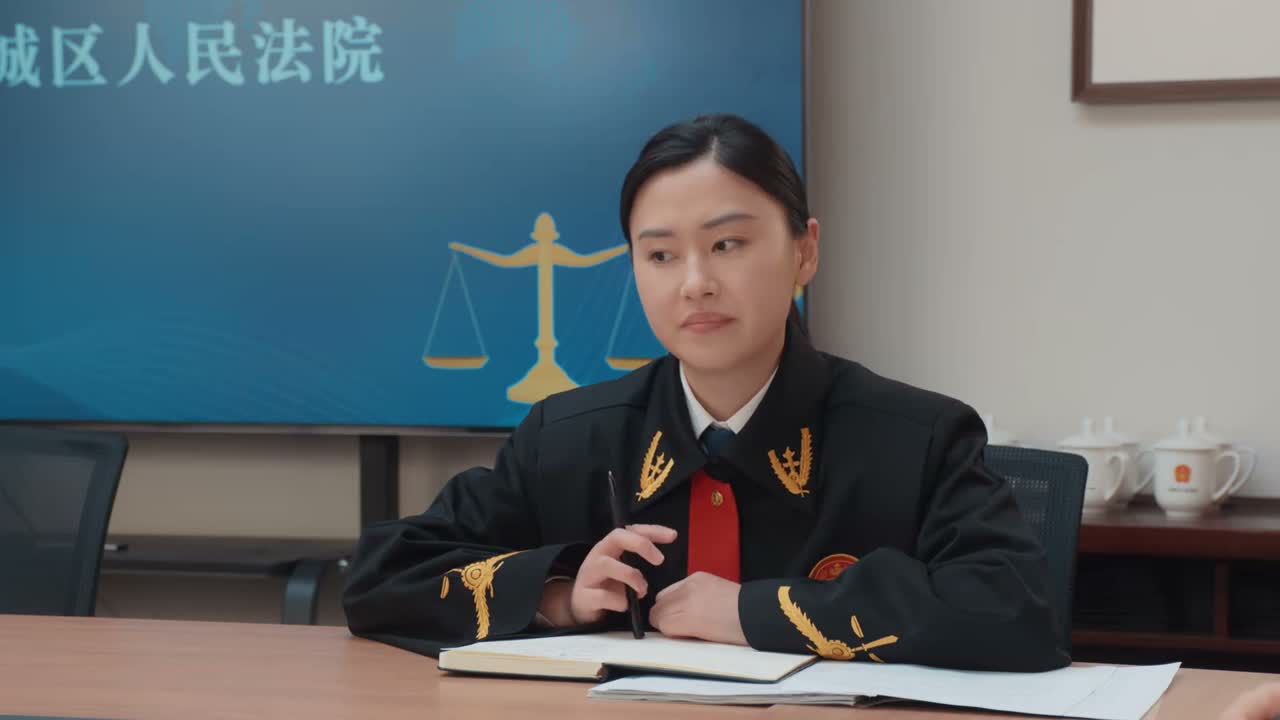
“If the kids aren't split up”
“Since you chose to separate,”
“Weren't we supposed to be interrogated separately? How did you get in?”

“And, you guys were already separated.”

“my parents had already been separated for a long time,”

“My client truly doesn't want to separate.”