我们不是 搬到天多来了吗 是
“didn't we move to Tianduo? Yes.”
THE DIALOGUE REEL
苓苓出生以后 为了给她 一个更好的环境
“After Zhuling was born, in order to give her a better environment,”
我们 不是 搬到天多 来了 吗 是
“didn't we move to Tianduo? Yes.”
这就是你最大的妥协
“That was your biggest compromise.”
“Stop acting like I didn't sacrifice anything; I literally uprooted my life for our family.”
Relocating for the sake of a child's upbringing or education is viewed as a supreme marital compromise and sacrifice in modern Chinese families.
LEARNING CHUNKS & PARTICLES
didn't... already?
A rhetorical pattern used to remind the listener of an established fact to counter an opposing point.
move to
Standard directional verb compound indicating relocating residence.
Forms a rhetorical question highlighting an obvious fact that the other party is ignoring.
VOCABULARY & EXPRESSIONS
Parallel Spoken Cinema Scenes (语义近邻切片)
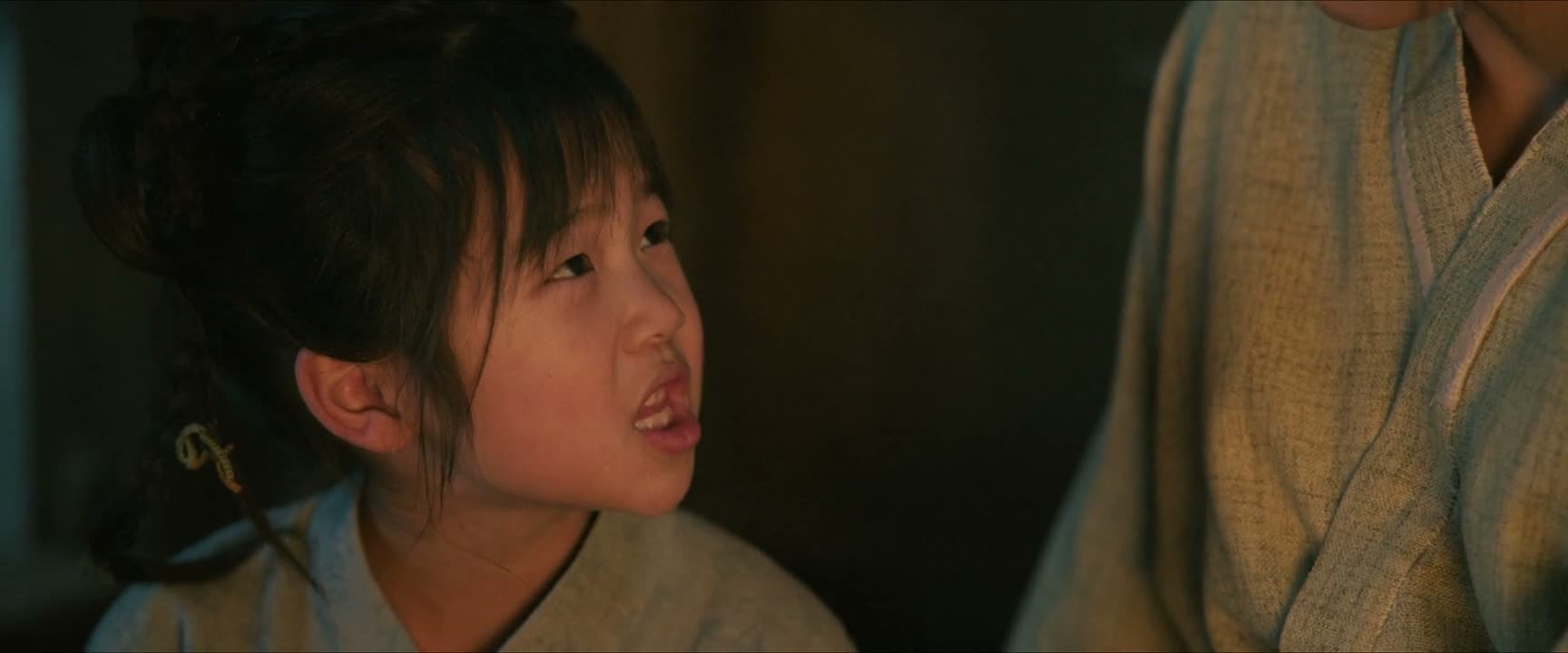
“It's so embarrassing not to move now.”

“You won't let us move out. Is it because you'll miss us,”

“move all this stuff. I've got guests.”

“During this time, move back to my place.”

“Don't bring those ways here.”

“I'm not moving.”