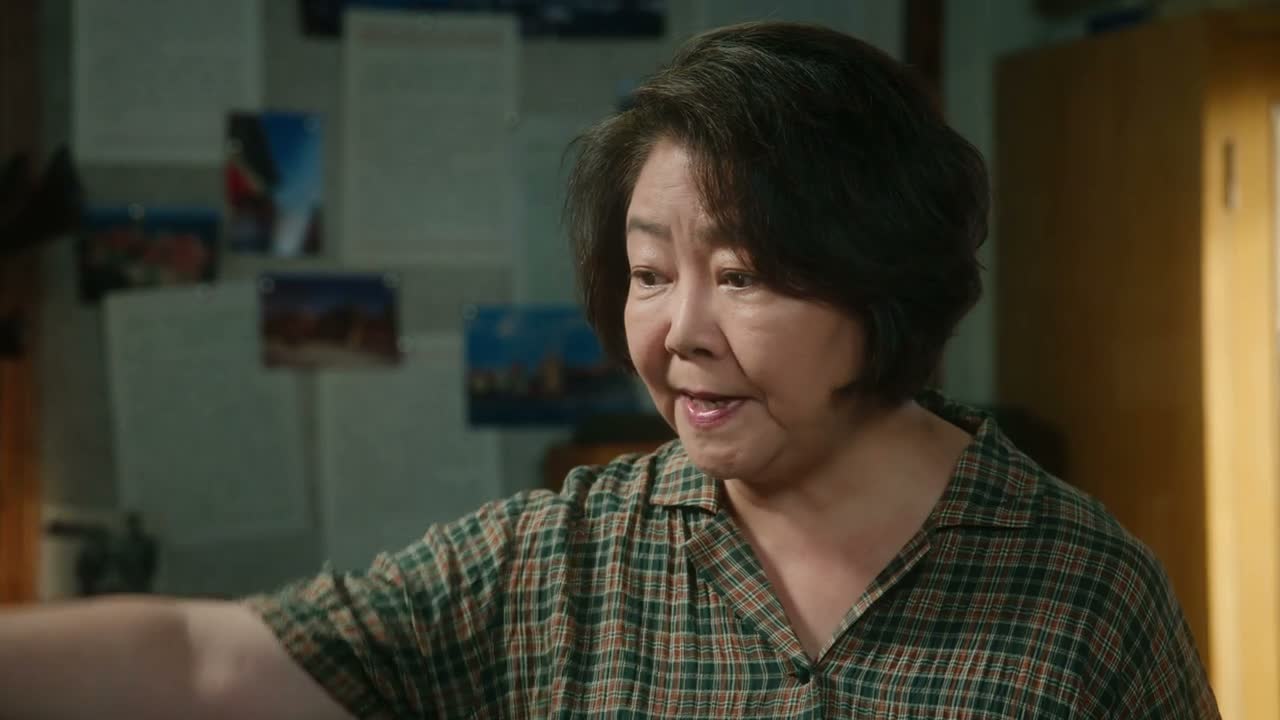
那你还把人家给气走了 不是自讨苦吃吗
“Then why did you make her mad that she left? Serves you right.”
THE DIALOGUE REEL
是吗
“Really?”
那你还把 人家 给气 走了 不是 自讨苦吃 吗
“Then why did you make her mad that she left? Serves you right.”
“Making fun of me, huh? You did it on purpose.”
“You drove them away yourself, so stop acting surprised when you suffer the consequences.”
Playfully pointing out a friend's romantic or social blunder using idioms like '自讨苦吃' is a standard way Chinese friends express affectionate rapport.
LEARNING CHUNKS & PARTICLES
to ask for trouble; to bring grief upon oneself
A common idiom used to critique someone when their own foolish choices cause unnecessary hardship.
made them storm off in anger
A colloquial structure combining the '把' disposal construction with '给' as an intensifying marker for an adverse outcome.
Forms a rhetorical question highlighting the obviousness of the speaker's judgment.
VOCABULARY & EXPRESSIONS
Parallel Spoken Cinema Scenes (语义近邻切片)

“There's no need to vent your anger all on me.”
“Didn't you drive him away?”

“it's bitten you in the bum, hasn't it?”

“You need not force yourself”

“I've caused you so much grief”

“Why pick on the kid? What's wrong?”