赶紧走 赶紧走啊 一会再不走的话
“Get out of here! If he's still here,”
THE DIALOGUE REEL
知不知道 好好好 我走 我走 就是
“But I won't compensate you. Understand? - Fine, I'll leave. - Yes.”
赶紧走 赶紧走啊 一会 再不走 的话
“Get out of here! If he's still here,”
你给老谭他们打电话
“just call Tan.”
Direct spoken expression in this communicative setting.
In spoken Chinese, repeating imperatives consecutively (e.g., '赶紧走,赶紧走') signals heightened danger and impatience, demanding immediate compliance.
LEARNING CHUNKS & PARTICLES
hurry up and leave
A highly common spoken imperative used when prompt evacuation or departure is needed.
if we don't leave in a moment
A conditional phrase commonly used to warn about impending negative consequences.
Intensifies the urgency of the imperative command.
VOCABULARY & EXPRESSIONS
Parallel Spoken Cinema Scenes (语义近邻切片)

“Hurry up. -Let's go. -Let's go.”
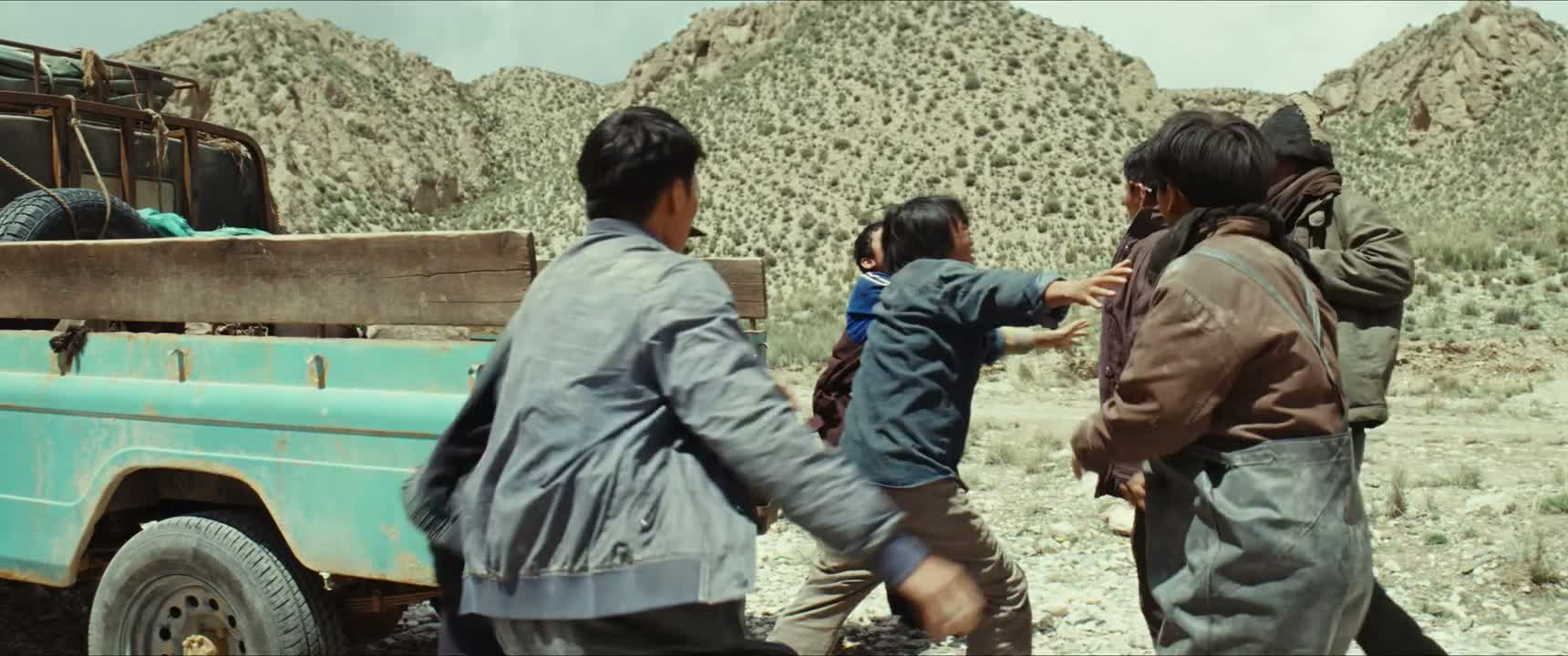
“Go! Hurry, leave!”

“Just get out of here. Leave now, or I'll lose my temper.”

“Wenjing! Move it, you little rascals. Hurry up. You're gonna be late.”

“Go, run along now. It's more comfortable to sleep at home.”

“I'd better leave here. I need to lay low.”

“Leave! Get out of here!”

“We're leaving now. Let's go. Stop right there.”

“You think you're worth that? Let's just go!”

“We have to go now. Emergency! Let's go, brother. Something big happened.”
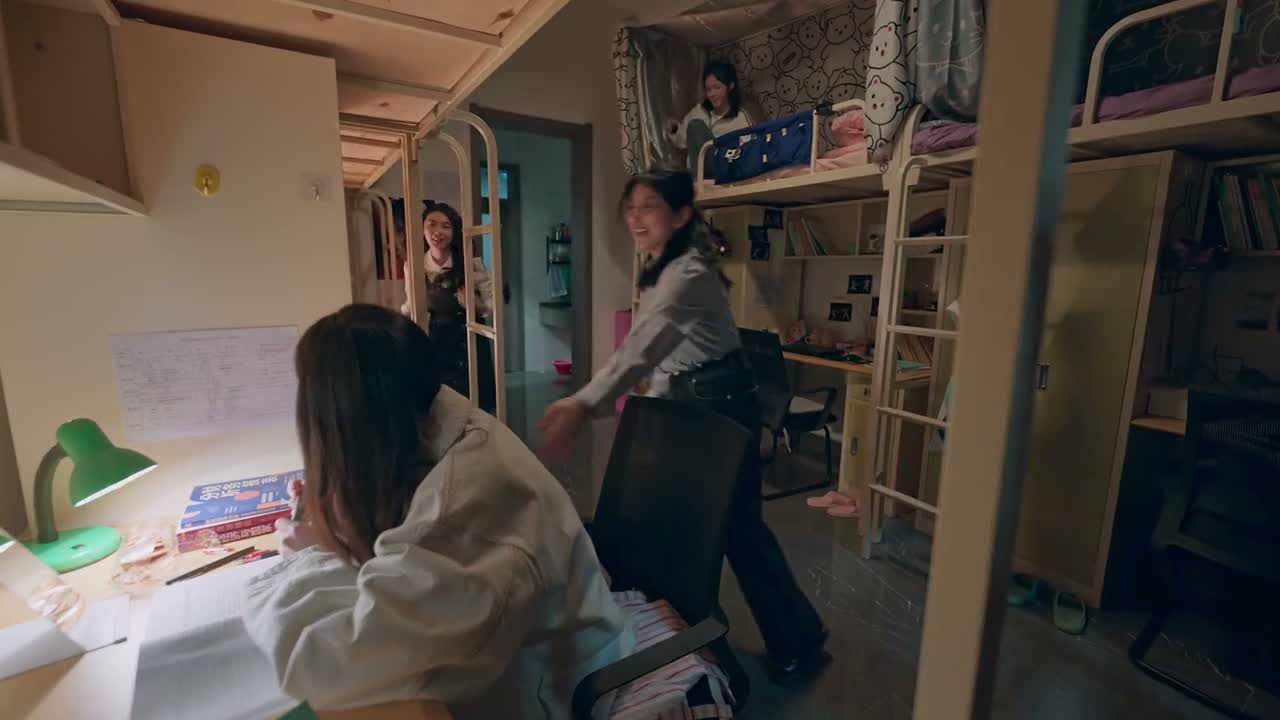
“Come on, Xiaoming. Come on. - Come on, let's go. - Let's go, we're getting late.”

“Leave. Now. Or I'll have you escorted out. I'm not leaving.”

“- Take your bag. - Go, hurry. Yuanbao, we are going. Yuanbao, we are going.”

“Hurry up. Let's go.”

“Take this and go. I told you that was not for Young Master.”