苏娘子也有自己的不易 造化弄人而已
“Lady Su has her own difficulties. I understand.”
THE DIALOGUE REEL
苏娘子 也有 自己的 不易 造化弄人 而已
“Lady Su has her own difficulties. I understand.”
是我多虑了
“I overthought. Let me toast you with tea.”
“Do not be too hard on her; nobody could have prevented what happened.”
Acknowledging another person's hardships (不易) is a key Chinese social virtue that promotes forgiveness and prevents harsh interpersonal judgment.
LEARNING CHUNKS & PARTICLES
tricks of fate; destiny making fools of people
A common poetic idiom used to lament unfortunate coincidences or tragic turns of events beyond human control.
hardships; difficult circumstances
Frequently used as a polite, sympathetic noun or adjective to acknowledge another person's struggles.
Downplays the personal culpability by framing the matter as 'nothing more than' fate.
VOCABULARY & EXPRESSIONS
Parallel Spoken Cinema Scenes (语义近邻切片)
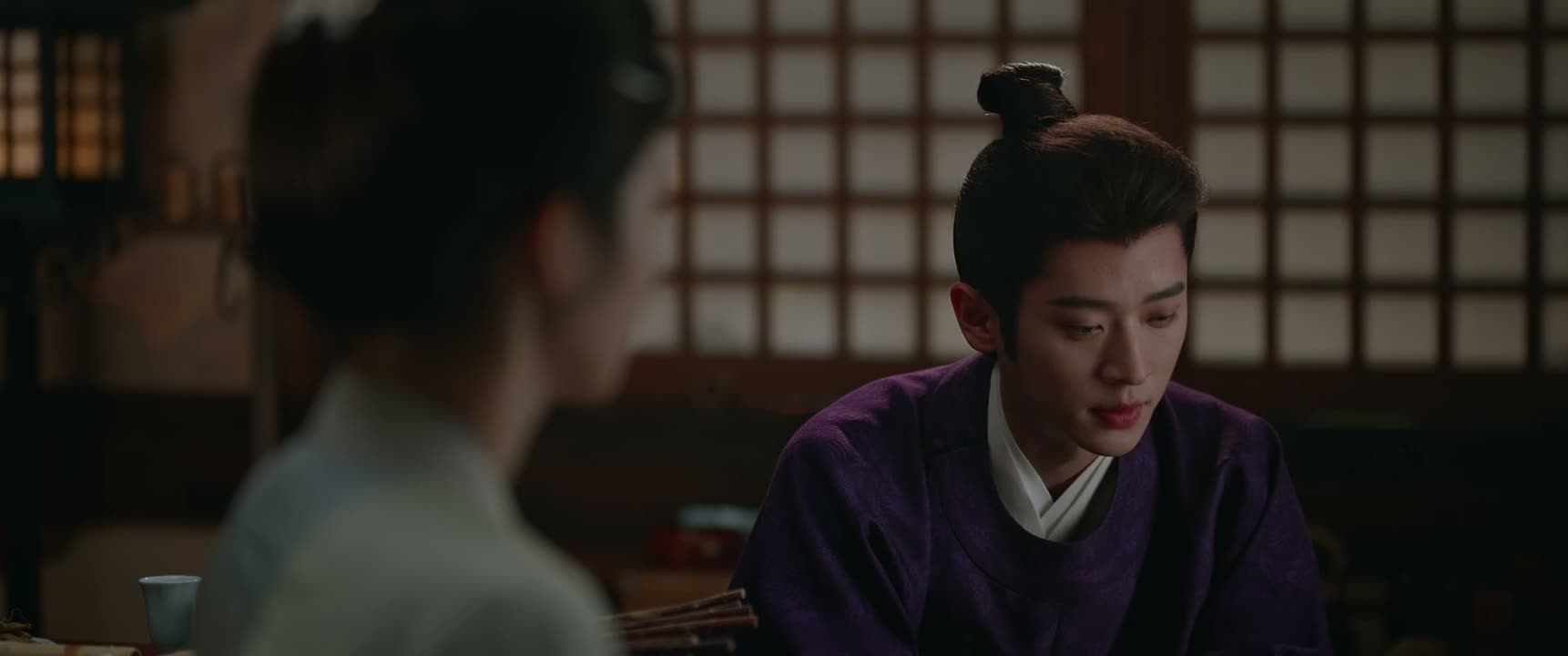
“Perhaps some see Lady Su as quite beautiful,”
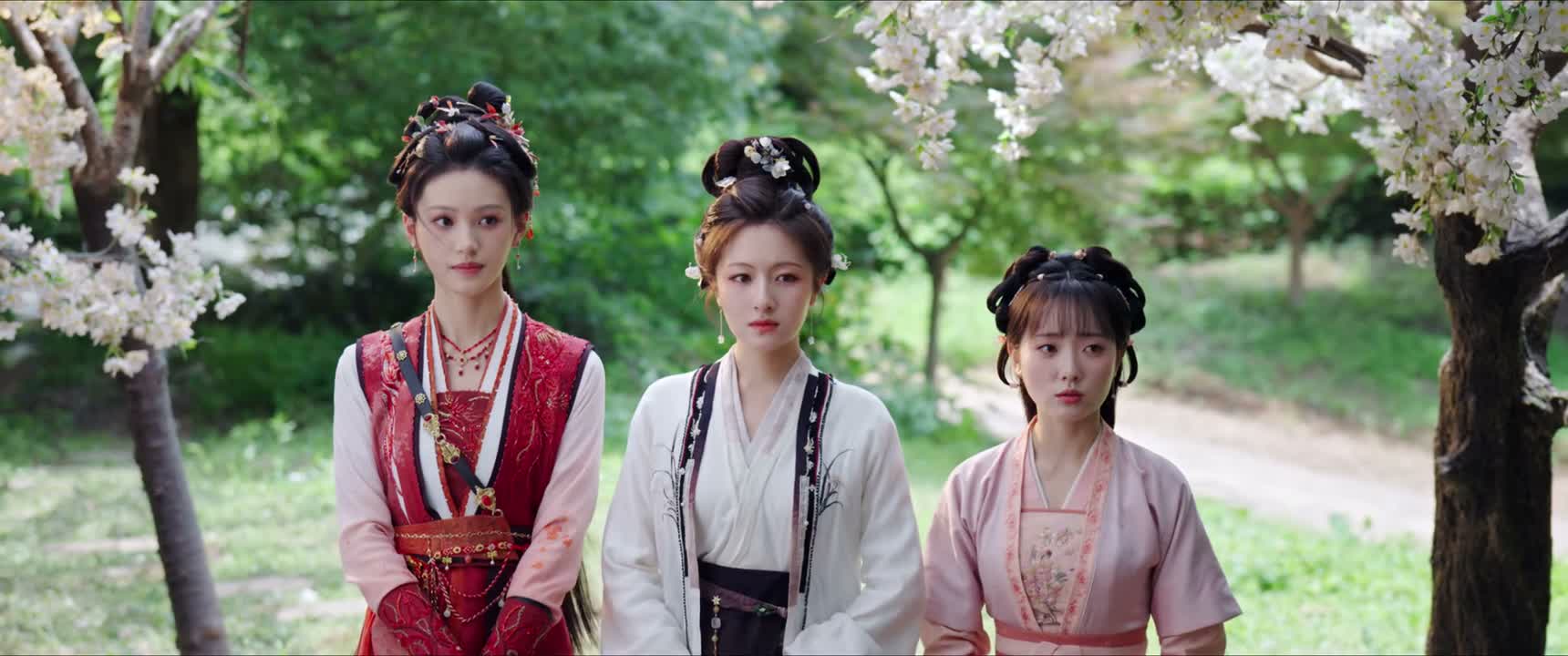
“Poor Miss Song.”

“Before Miss Song got married, she might've had a secret lover.”

“he wouldn't let Miss Song be buried in their family cemetery.”

“As a general's daughter,”

“You offered a great deal to make me retreat.”