丑话说在前面
chǒu huà shuō zài qián miànCommon spoken expression used by native Chinese speakers in daily life.
[Scene: 职场工作]
(4 clips)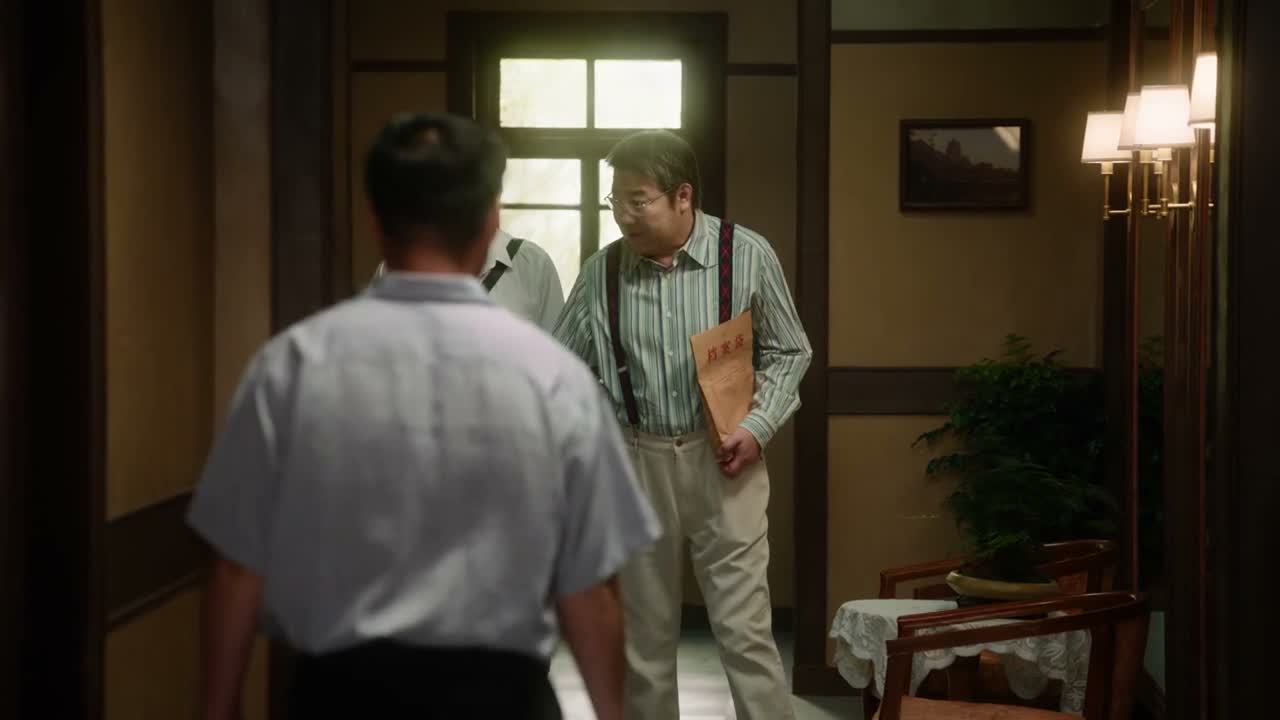 00:02
 00:02
(是 保证完成任务 行行) ── Previous context
“But let me be clear. Our department carries heavy responsibilities.”
 00:02
 00:02
[Scene: 家庭日常]
(3 clips) 00:03
(那我就不管) ── Previous context
“Also, I'll say this plainly. He said he'd be a soldier?”
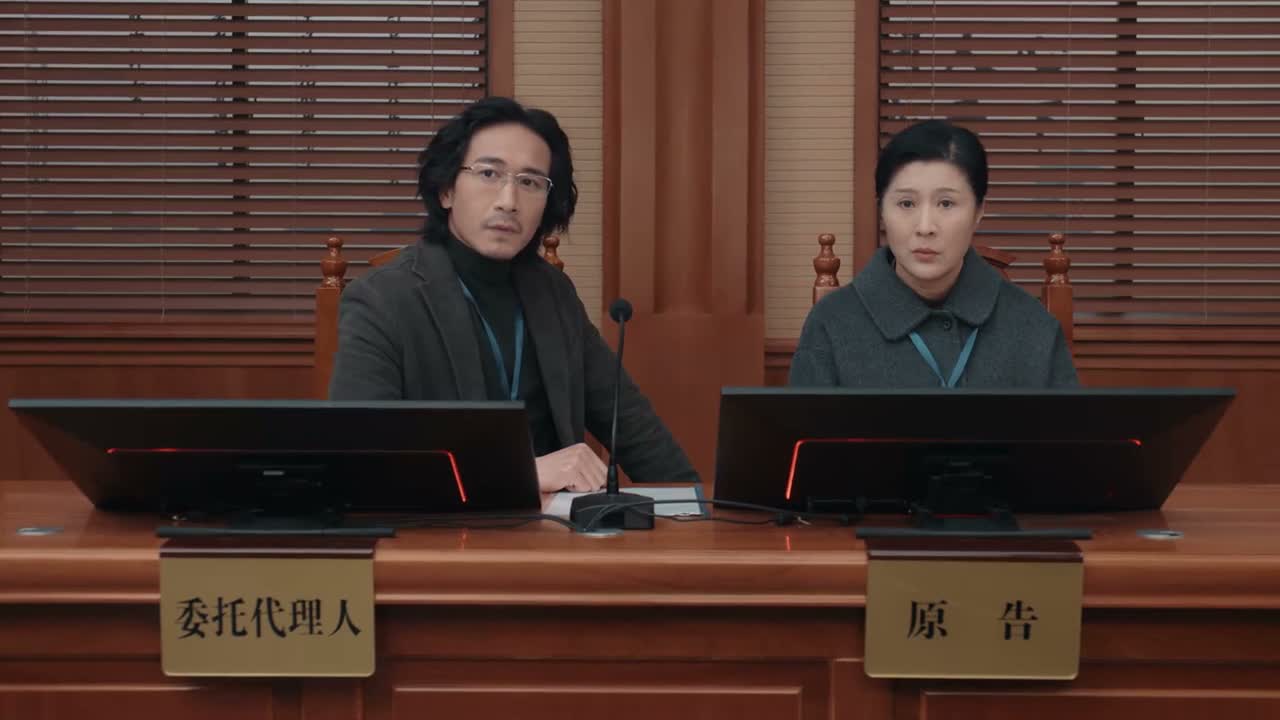 00:02
 00:03
(我名下那套房产 您收回去) ── Previous context
“But let me be clear, if you suffer losses in the future and are left with nothing,”
[Scene: 其他场景]
(1 clips) 00:02
📌 来
→Nuance: 主语换用咱们拉近距离
📌 来
→Nuance: 核心交际意图完全相同
📌 吃亏
→Nuance: 主语换用咱们拉近距离
📌 吃亏
→Nuance: 增加助动词意图完全一致
📌 丑话说在前头
→Nuance: 语义完全一致,前头即前面
📌 怪我
→Nuance: 前头与前面同义可互换
📌 是我
→Nuance: 主语换用咱们拉近距离
📌 是我
→Nuance: 核心交际意图完全相同
📌 什么
→Nuance: 核心表达提前打招呼,语义一致
📌 把丑话说在前面
→Nuance: 换用咱们拉近距离,口吻不同