好点了
hǎo diǎn leCommon spoken expression used by native Chinese speakers in daily life.
[Scene: 其他场景]
(4 clips)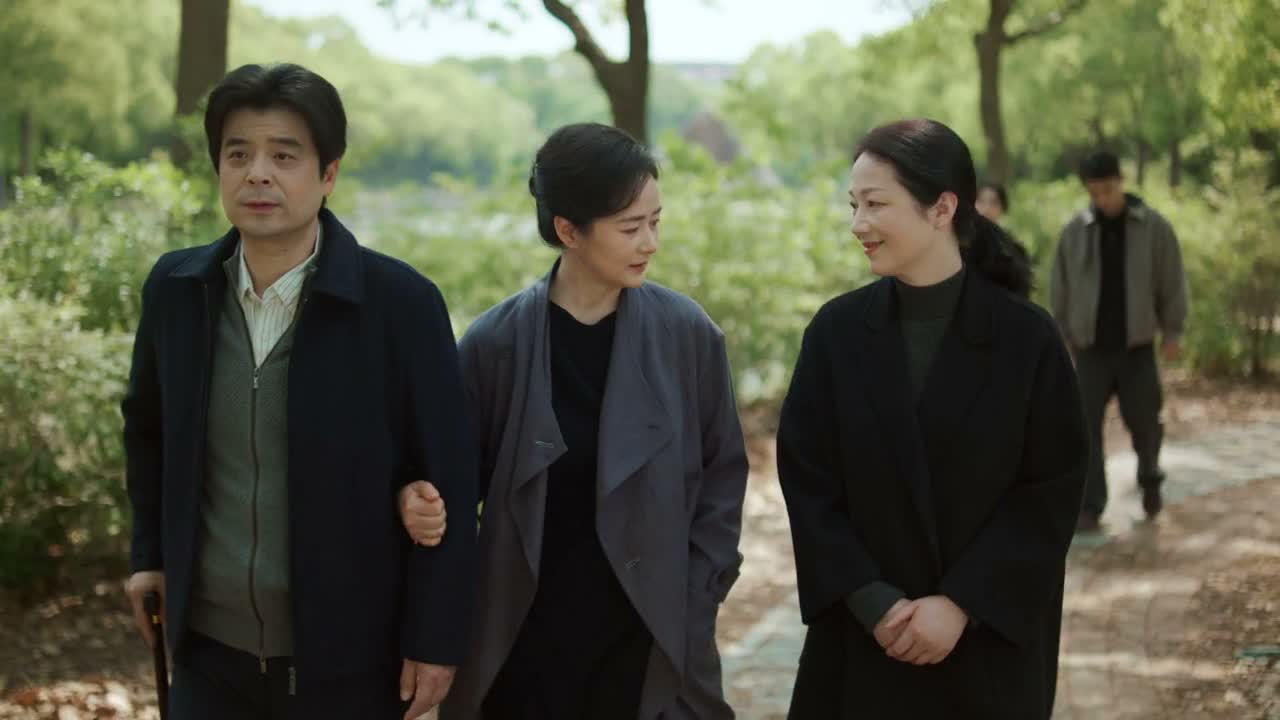 00:02
 00:02
 00:03
(走) ── Previous context
“Are you feeling better? Yes, I can stand up straight. Does it feel comfortable?”
 00:03
[Scene: 家庭日常]
(1 clips) 00:02
(这是给您带的点心 客气的 快来 快来 坐 坐) ── Previous context
“Ma'am, are you feeling better now? I'm fine now.”
[Scene: 历史宫廷]
(1 clips) 00:02
(你赶紧闭眼睡一会吧 发发汗就好了 来) ── Previous context
“My Lady, you finally woke up. Are you feeling better?”
[Scene: 其他场景]
(1 clips) 00:03
(还真是生病了呢) ── Previous context
“Xiaoxiao, you're finally awake. Are you feeling better?”
[Scene: 社交聚会]
(1 clips) 00:03
(白德瑞的气消了没有) ── Previous context
“I'm not sure if he's still angry. He's probably doing better now.”
[Scene: 职场工作]
(1 clips)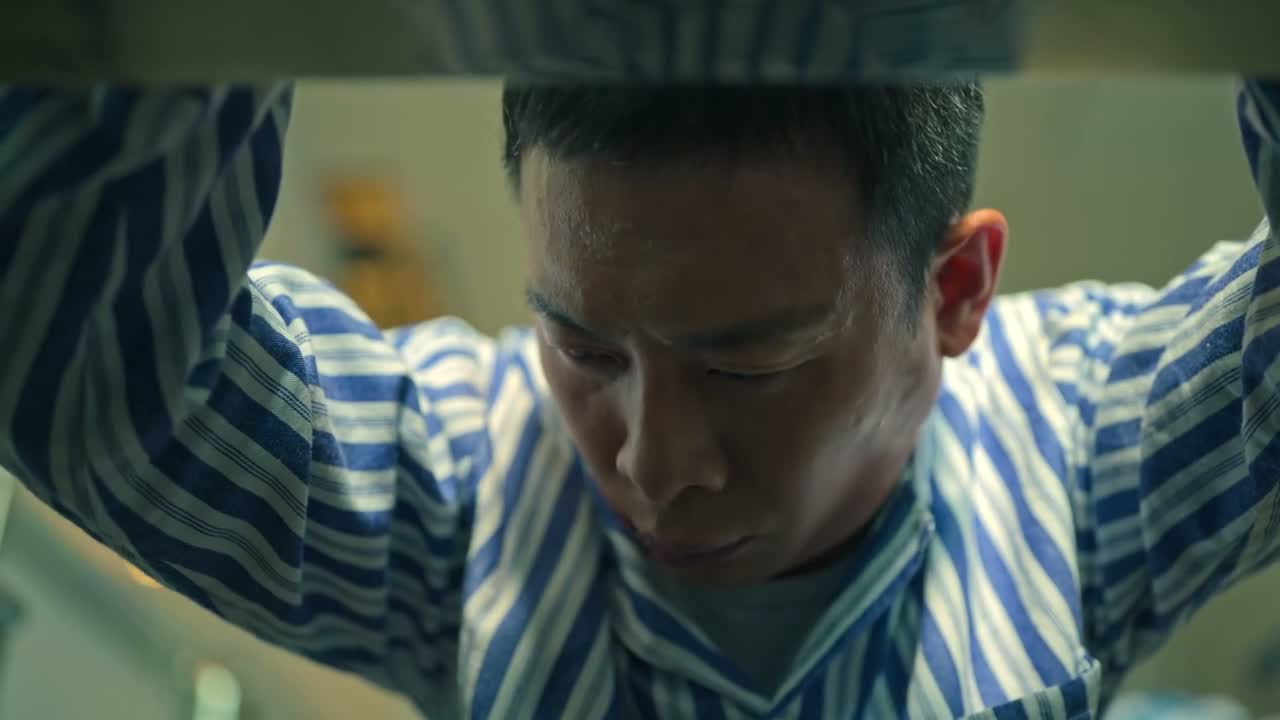 00:03
(崔姨刚做好的饭) ── Previous context
“When he gets better, heat it for him. Yes, Director Meng.”
📌 到底怎么了
→Nuance: 同向近义词根配对: [终于 ↔ 到底]
📌 不知道
→Nuance: 同为关心她身体,口吻更委婉
📌 不知道
→Nuance: 同向近义词根配对: [知道 ↔ 清楚]
📌 怎么了
→Nuance: 同向近义词根配对: [终于 ↔ 到底]
📌 不清楚
→Nuance: 同向近义词根配对: [知道 ↔ 清楚]
📌 到底
→Nuance: 同向近义词根配对: [终于 ↔ 到底]
📌 来
→Nuance: 同向近义词根配对: [身体 ↔ 身子]
📌 起来
→Nuance: 同向近义词根配对: [身体 ↔ 身子]
📌 身体好点了吗
→Nuance: 同为关心她身体,口吻更委婉
📌 好吗
→Nuance: 同为腰伤关切问候的变体