竟在
jìng zàiCommon spoken expression used by native Chinese speakers in daily life.
[Scene: 历史宫廷]
(3 clips) 00:03
(那是他咎由自取) ── Previous context
“To commit such disgraceful acts within the prefectural offices,”
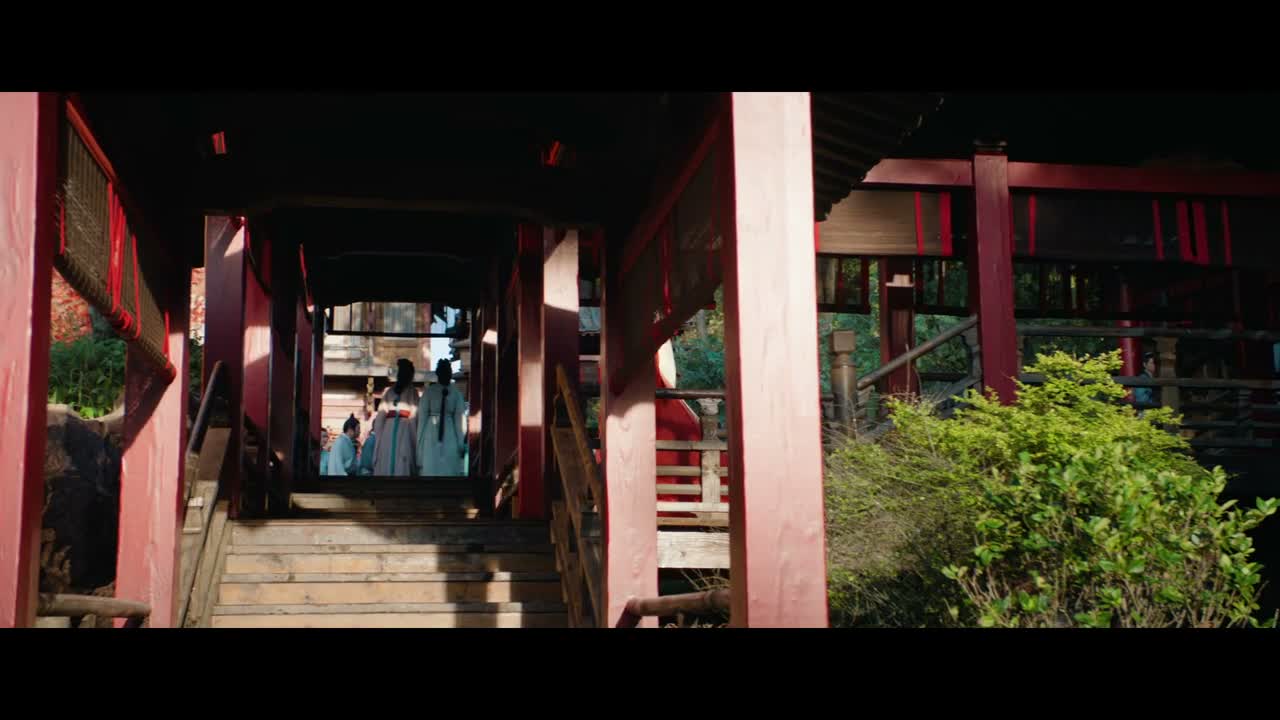 00:02
 00:03
(这具尸体左侧的后齿是空的 是他本人) ── Previous context
“Who'd have thought Prince Li intended to rebel behind our backs?”
[Scene: 其他场景]
(2 clips) 00:03
 00:03
[Scene: 警匪刑侦]
(2 clips) 00:03
 00:03
(臣昨晚亲眼看见裴愈 和宋医令在药房争吵) ── Previous context
“I couldn't hear clearly what they were saying,”
[Scene: 商务沟通]
(1 clips) 00:03
(没想到竟会这么巧) ── Previous context
“Our two families' ink testing events are on the exact same day.”
📌 一个人
→Nuance: 主语不同语义相近但难互换
📌 得了
→Nuance: 核心交际意图一致可互换
📌 不知道
→Nuance: 陈述转述,意图相近但句式变体
📌 不知道
→Nuance: 交际意图一致,皆表不懂其所想
📌 没人
→Nuance: 同指猜不透某人意图
📌 就知道
→Nuance: 同向近义词根配对: [知道 ↔ 清楚]
📌 谁知道
→Nuance: 同向近义词根配对: [究竟 ↔ 到底]
📌 是不是
→Nuance: 同向近义词根配对: [究竟 ↔ 到底]
📌 不清楚
→Nuance: 同向近义词根配对: [究竟 ↔ 到底]
📌 听我说
→Nuance: 同向近义词根配对: [究竟 ↔ 到底]