明白了吗
míng bái le maCommon spoken expression used by native Chinese speakers in daily life.
[Scene: 其他场景]
(8 clips) 00:02
 00:02
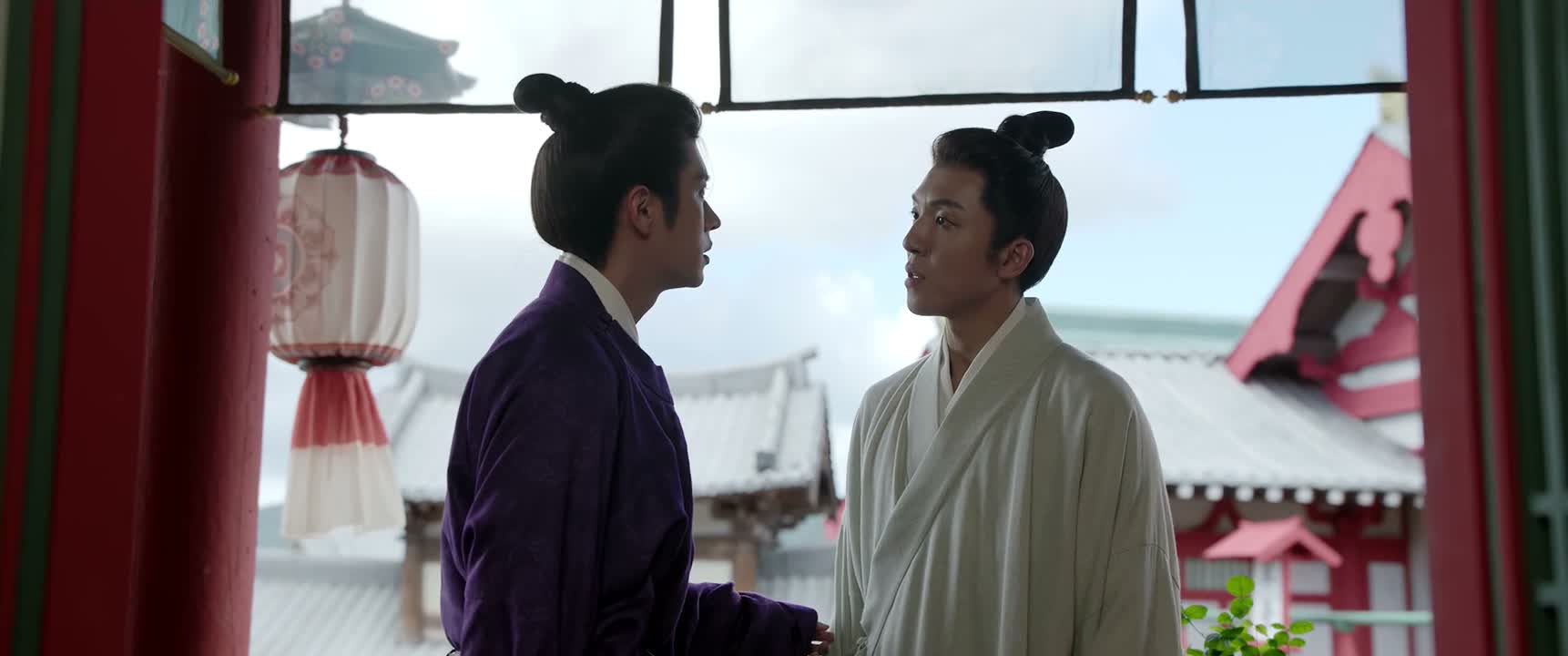 00:02
 00:03
(你也明白 所以别跟我磨叽了 把我东西一收拾) ── Previous context
“hand them over to me, and we'll be done. Understand?”
 00:03
 00:03
(知道了吗 知道了 如果输了的话) ── Previous context
“all our factories will be shut down. Got it?”
 00:03
(这些年 白菊) ── Previous context
“have you even figured out your own mess? Have you figured out”
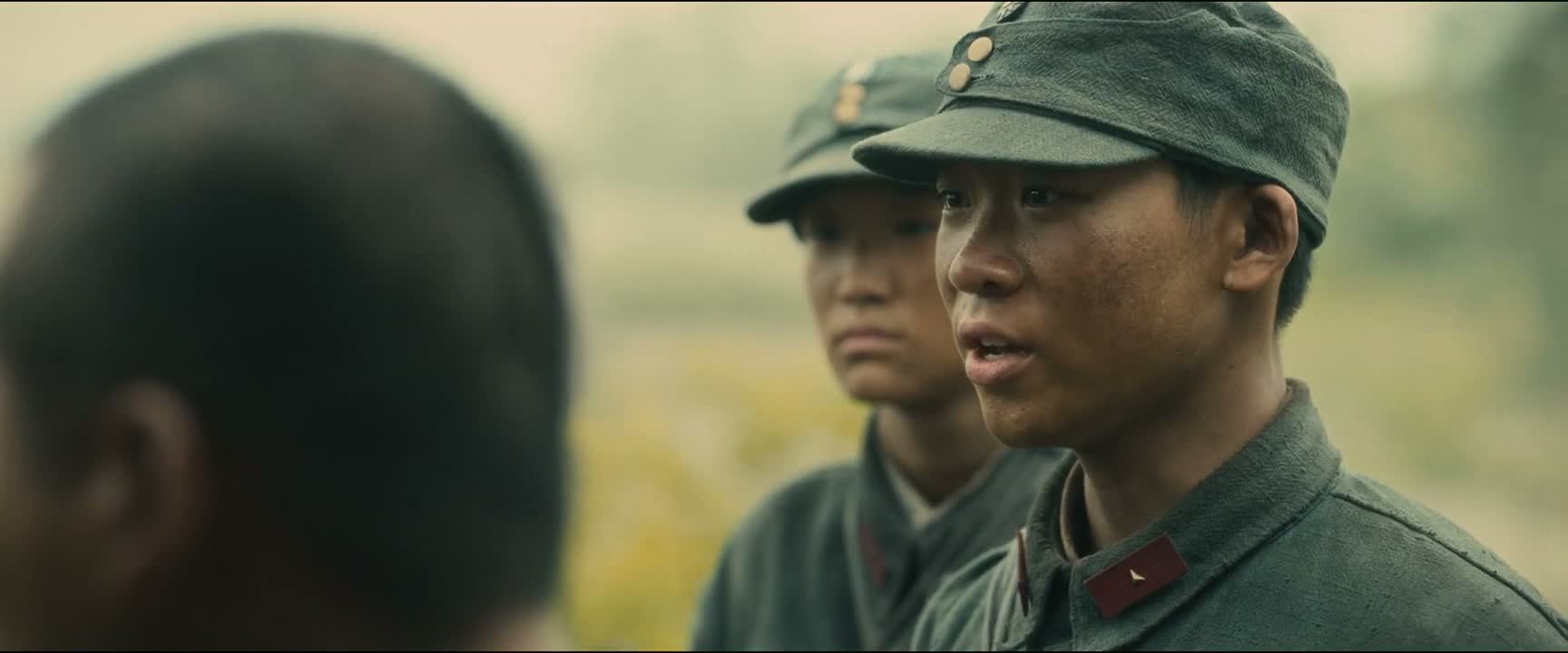 00:03
(你 以后淘米的时候 尽量把那泥沙都清理干净) ── Previous context
“Understand? Yes. Okay. It's a misunderstanding.”
[Scene: 职场工作]
(3 clips)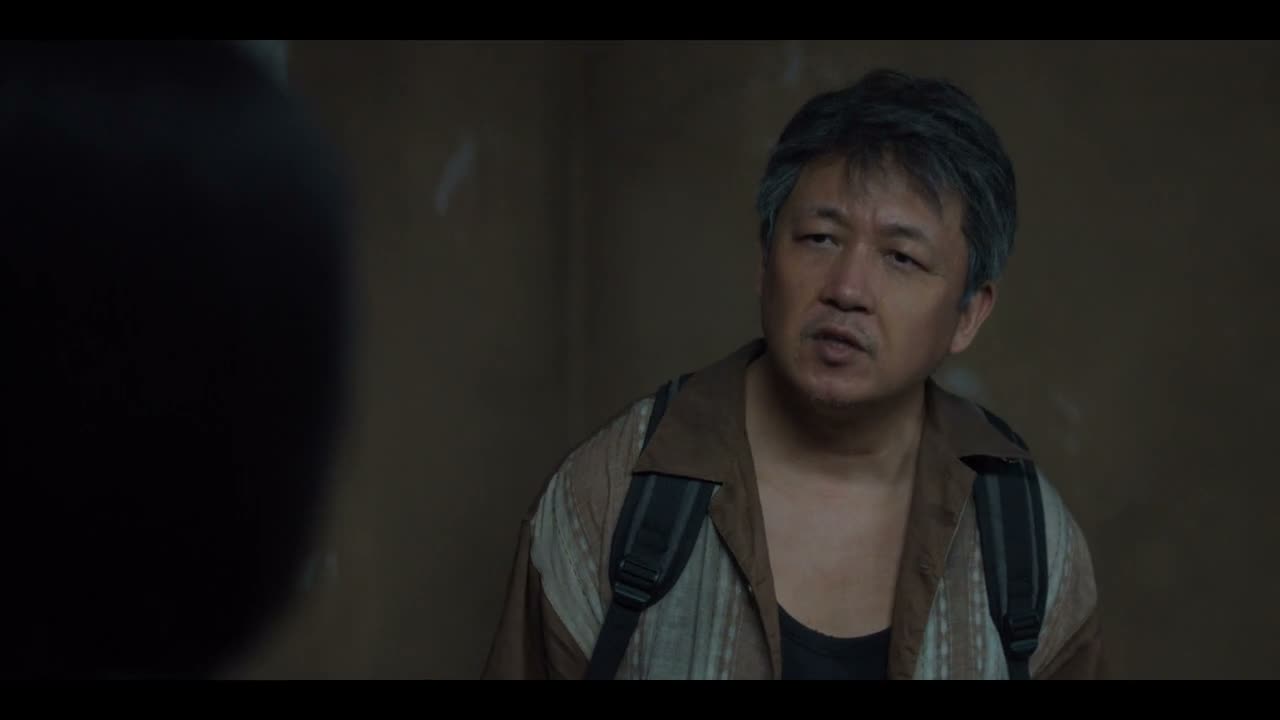 00:03
(至于进一步的证据 就得靠你自己找了) ── Previous context
“Understood? You have to rely on yourself.”
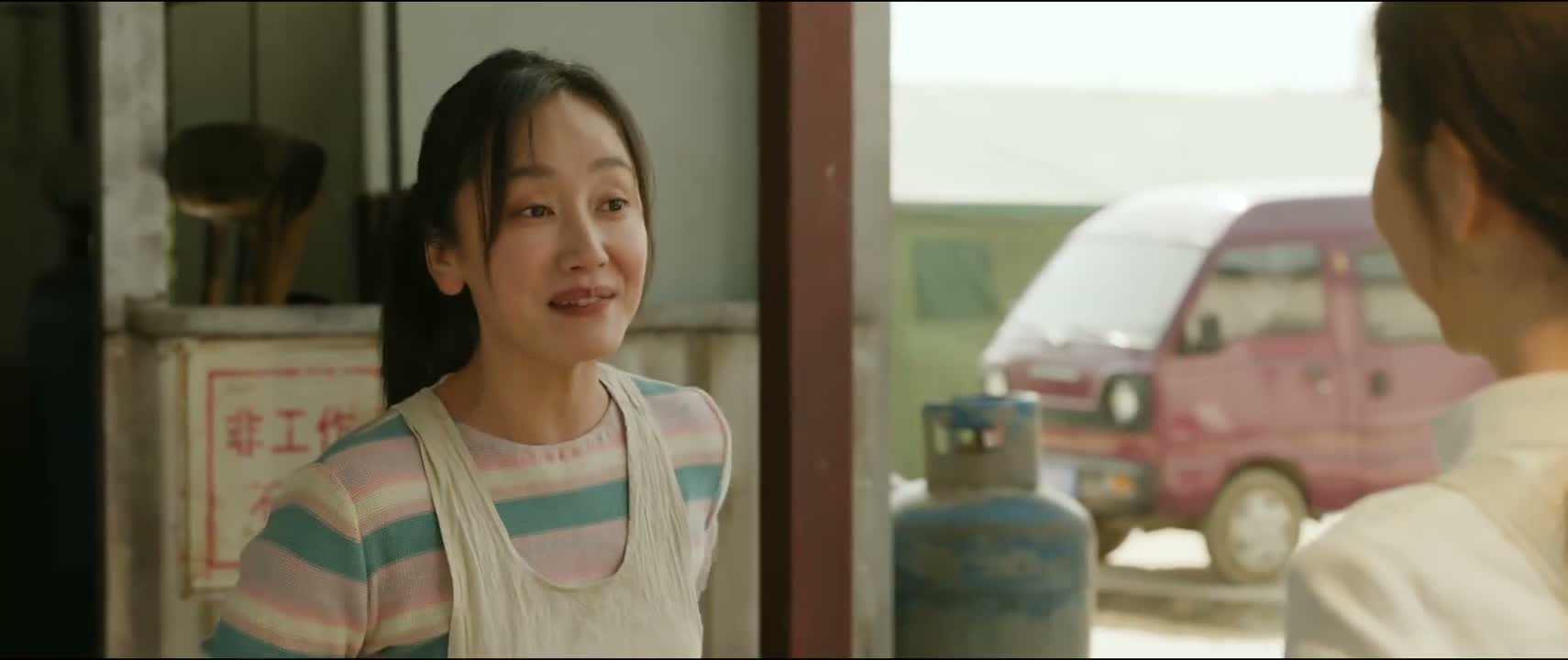 00:02
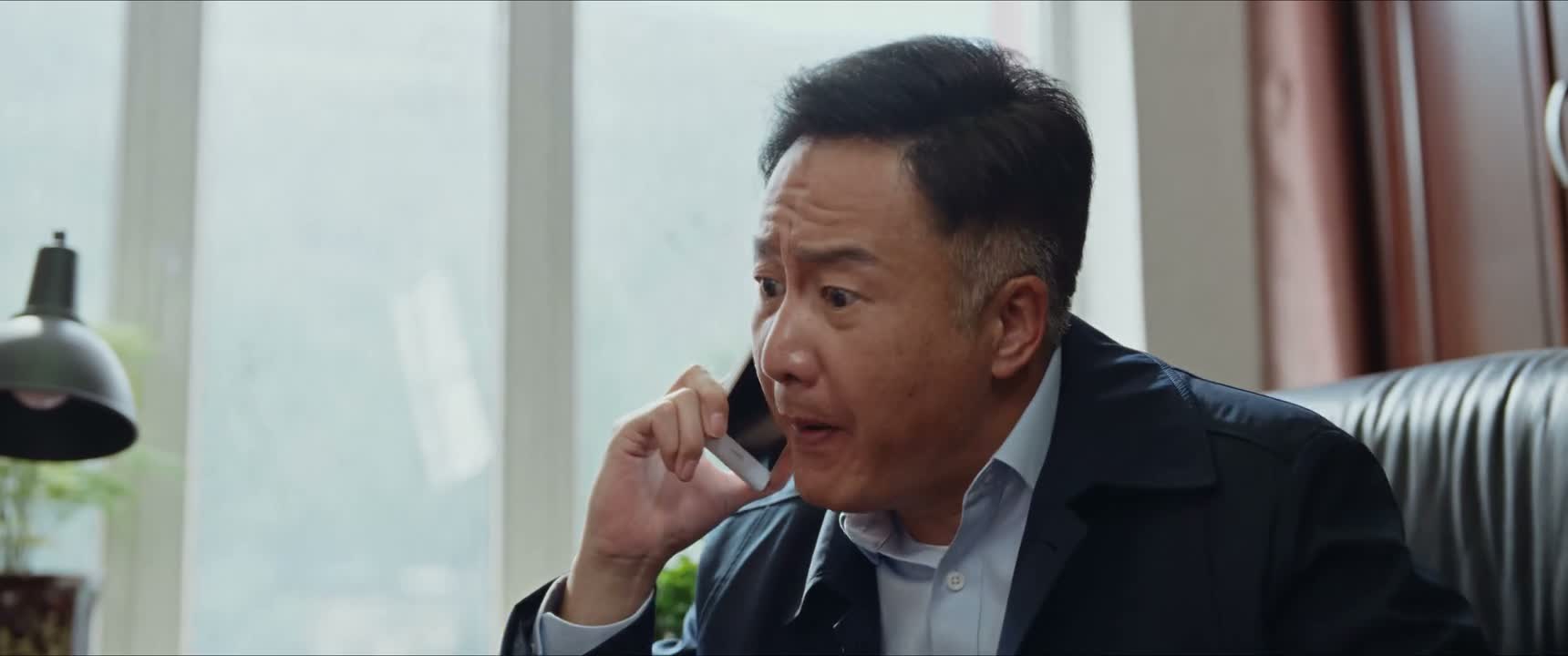 00:03
(谁跟你说 环保是公益啊) ── Previous context
“Environmental protection is an engineering project. Do you understand now?”
[Scene: 其他场景]
(1 clips) 00:03
(锻炼结束以后 扫码付费即可) ── Previous context
“You should've said that sooner. Let me scan the QR code.”
[Scene: 家庭日常]
(1 clips) 00:02
[Scene: 警匪刑侦]
(1 clips) 00:02
(二二八案 牵扯的情况非常复杂 不管查到哪一步) ── Previous context
“you must report to me directly. Understand? Yes.”
[Scene: 社交聚会]
(1 clips) 00:02
(你只要能体体面面地 站在他们面前) ── Previous context
“then you've already won half the battle. Understand?”
📌 一个人
→Nuance: 同向近义词根配对: [工厂 ↔ 厂子]
📌 怎么回事
→Nuance: 同向近义词根配对: [我们 ↔ 咱们]
📌 就知道
→Nuance: 反问转是非问句口吻不同
📌 就知道
→Nuance: 明白与知道语境互换意图一致
📌 怎么了
→Nuance: 同向近义词根配对: [我们 ↔ 咱们]
📌 是不是
→Nuance: 反问转是非问句口吻不同
📌 听我说
→Nuance: 要求直接向我汇报意图完全一致
📌 没问题
→Nuance: 皆为确认理解并附带肯定回答