说闲话
shuō xián huàCommon spoken expression used by native Chinese speakers in daily life.
[Scene: 家庭日常]
(4 clips) 00:03
(我今天回来 就是想请您随我一起上门) ── Previous context
“That way, it's proper, and people won't gossip about her.”
 00:02
 00:02
 00:03
(这娃 对着 叫娃一个人考去 锻炼 锻炼) ── Previous context
“People would say that we pulled some strings if we accompanied her.”
[Scene: 其他场景]
(2 clips) 00:03
(说什么呢) ── Previous context
“If you have complaints, speak to my face. Stop gossiping behind my back.”
 00:03
[Scene: 商务沟通]
(1 clips)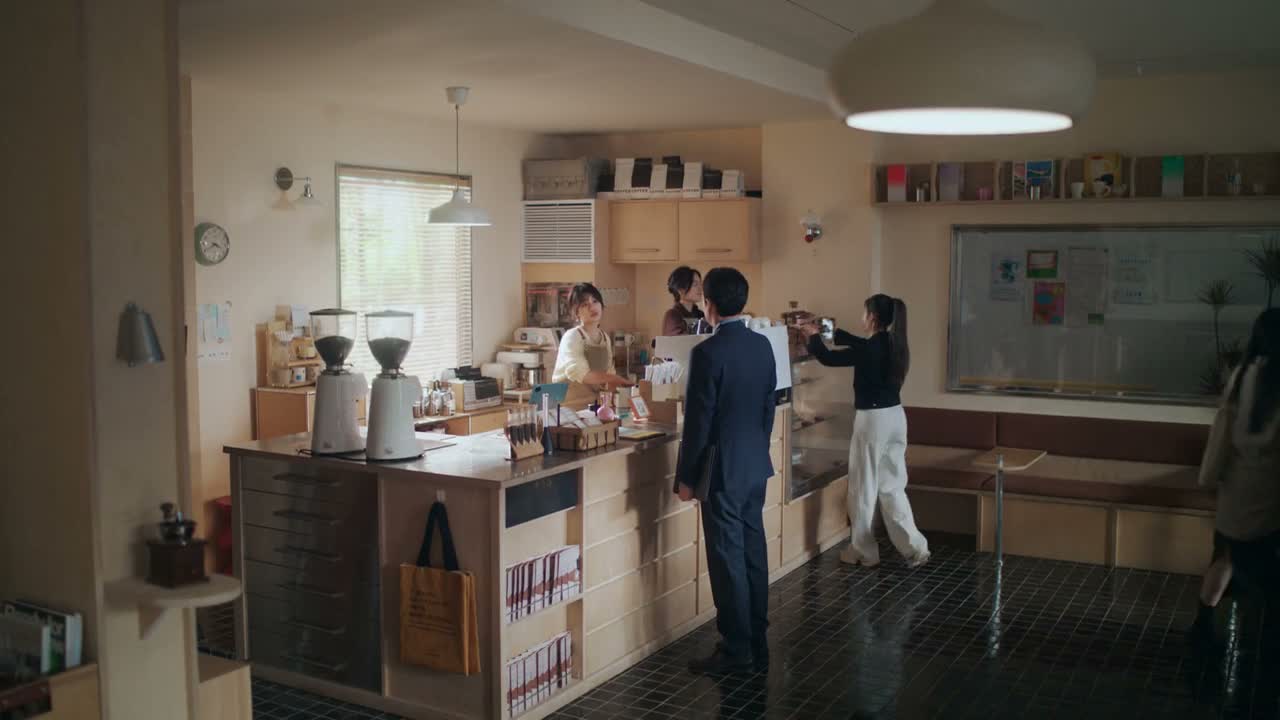 00:01
[Scene: 其他场景]
(1 clips) 00:02
[Scene: 社交聚会]
(1 clips) 00:03
(嫂子好 我叫米兰 之前一直想来看看您来着) ── Previous context
“But then I worried people would talk. So I didn't come.”
[Scene: 职场工作]
(1 clips) 00:03
(还有一些 是怕拍了之后影响不好) ── Previous context
“and invite gossip from their colleagues. Only she—”
📌 人家
→Nuance: 同为规劝避免招致他人闲话
📌 你说
→Nuance: 视角转变但核心都避嫌走后门
📌 来
→Nuance: 核心询问意图完全一致
📌 你好
→Nuance: 省略问候语但核心意图完全相同
📌 有什么事吗
→Nuance: 核心交际意图完全相同可互换
⚡ 人家
→Contrast: 极性反义对撞: [当面 ↔ 背后]
⚡ 本来
→Contrast: 极性反义对撞: [当面 ↔ 背后]
⚡ 来
→Contrast: 极性反义对撞: [当面 ↔ 背后]
⚡ 省得
→Contrast: 源对白不在乎,候选想极力避免
⚡ 闷着
→Contrast: 极性反义对撞: [爱 ↔ 不爱]