有错吗
yǒu cuò maCommon spoken expression used by native Chinese speakers in daily life.
[Scene: 其他场景]
(7 clips) 00:02
(我就是追求成功 追求名利 我就是想去上海怎么了) ── Previous context
“I want to go to Shanghai. What's wrong? Times are changing.”
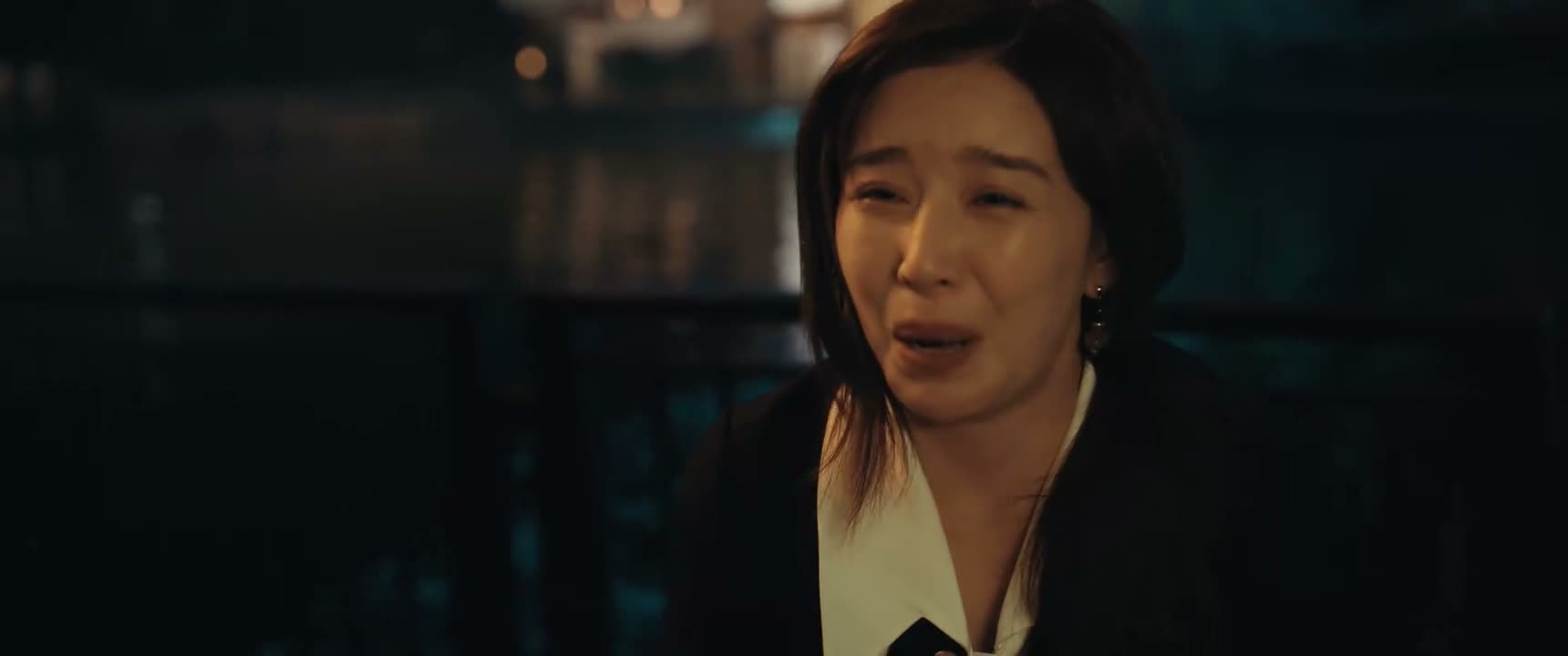 00:03
 00:02
 00:03
(不是) ── Previous context
“is there anything wrong with me wanting to survive? Don't you two want to survive?”
 00:02
 00:02
 00:02
(白及你说什么呢 我说错了吗 说到底就不是一家人) ── Previous context
“-Mom! -Stop! Did I say something wrong? Mom, Mom, Mom!”
[Scene: 家庭日常]
(1 clips) 00:02
(你就这点破事 你要念叨一辈子 是吗 阿姨) ── Previous context
“I want the best for her. Is that wrong?”
[Scene: 社交聚会]
(1 clips) 00:02
📌 我错了
→Nuance: 均表达主动认错的意图
📌 本来
→Nuance: 同向近义词根配对: [当然 ↔ 本来]
📌 来
→Nuance: 反问与陈述同义表达想活无错
⚡ 一个人
→Contrast: 极性反义对撞: [对 ↔ 错]
⚡ 对不对
→Contrast: 极性反义对撞: [对 ↔ 错]
⚡ 我错了
→Contrast: 源句辩解无错,此处直接认错
⚡ 反正
→Contrast: 求生意愿与轻生意愿截然相反
⚡ 是吗
→Contrast: 极性反义对撞: [对 ↔ 错]
⚡ 不是
→Contrast: 极性反义对撞: [想 ↔ 不想]
⚡ 来
→Contrast: 极性反义对撞: [想 ↔ 不想]