脏了
zāng leCommon spoken expression used by native Chinese speakers in daily life.
[Scene: 其他场景]
(5 clips)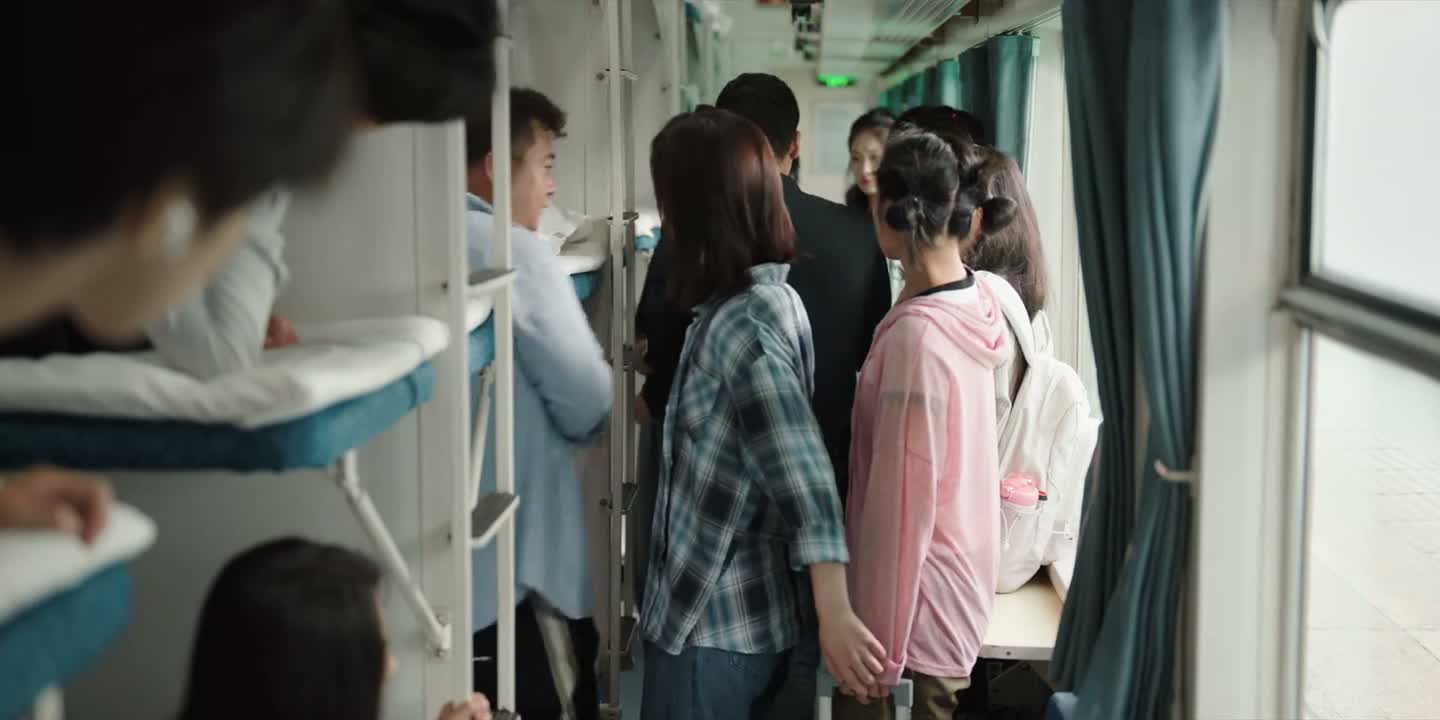 00:02
 00:02
 00:03
(我没事 没事 你们咋过来了) ── Previous context
“Well, our hands are dirty. - We'll go wash up. - Wash up.”
 00:02
 00:02
[Scene: 其他场景]
(2 clips)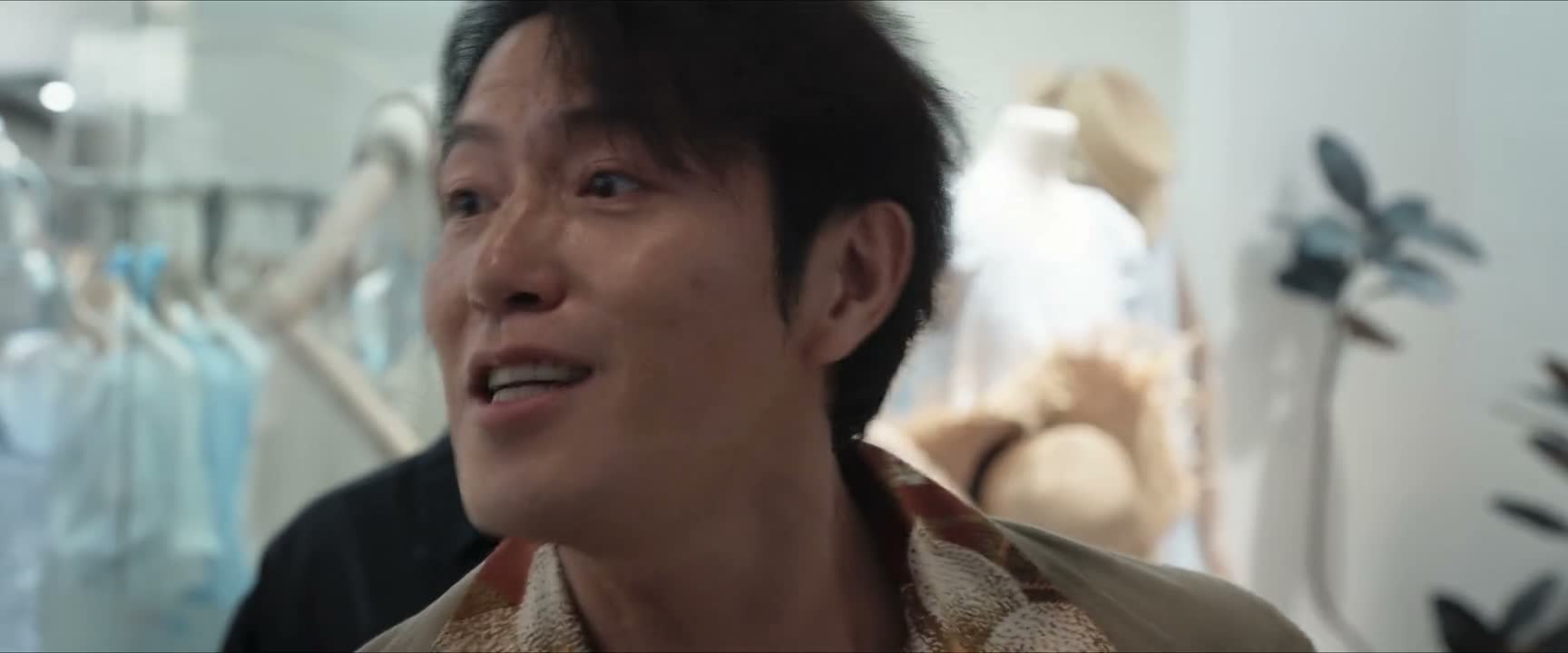 00:03
(你往哪儿走啊) ── Previous context
“You still want to shop? You want to dirty up this mall?”
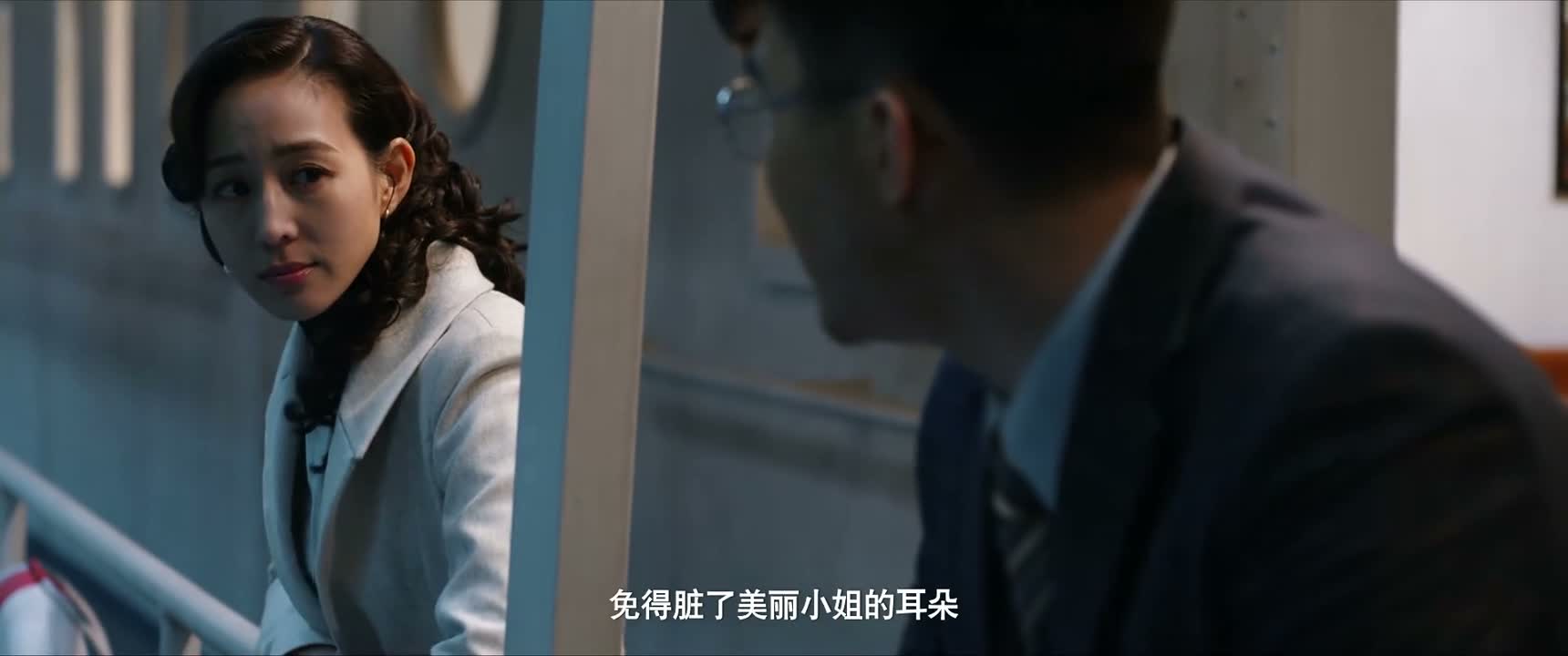 00:02
[Scene: 社交聚会]
(2 clips)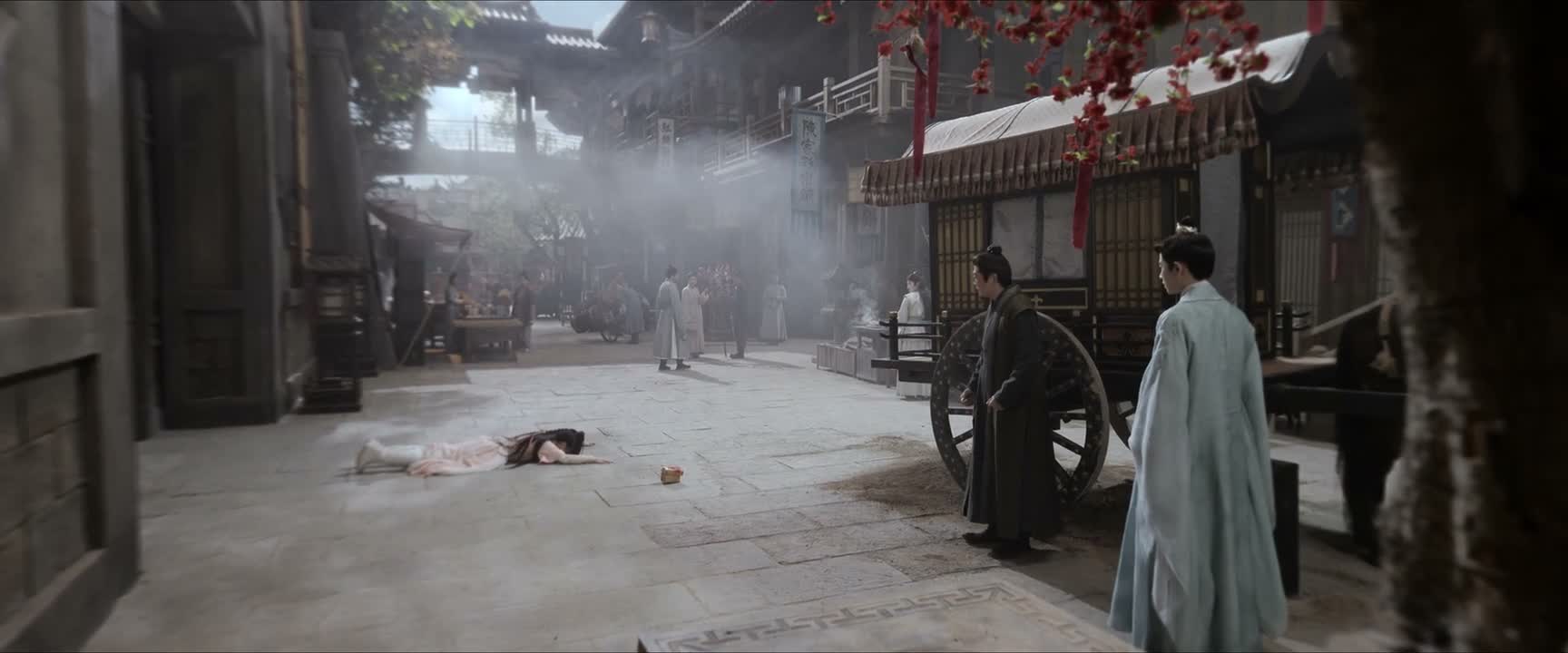 00:02
 00:02
[Scene: 家庭日常]
(1 clips) 00:03
(你们把拖鞋都换了呀) ── Previous context
“If you dirty the floor, your mom will be mopping it. Hurry up.”
📌 好吃
→Nuance: 同向近义词根配对: [我们 ↔ 咱们]
📌 洗洗
→Nuance: 意图均为嫌太脏促其处理
📌 吃饭
→Nuance: 同向近义词根配对: [我们 ↔ 咱们]
📌 去吧
→Nuance: 同向近义词根配对: [我们 ↔ 咱们]
📌 不能吃
→Nuance: 表达嫌脏不能吃的核心意图一致
📌 快去吧
→Nuance: 同向近义词根配对: [我们 ↔ 咱们]
📌 得
→Nuance: 同为衣服脏辩解但语气温和
📌 快去
→Nuance: 同向近义词根配对: [我们 ↔ 咱们]