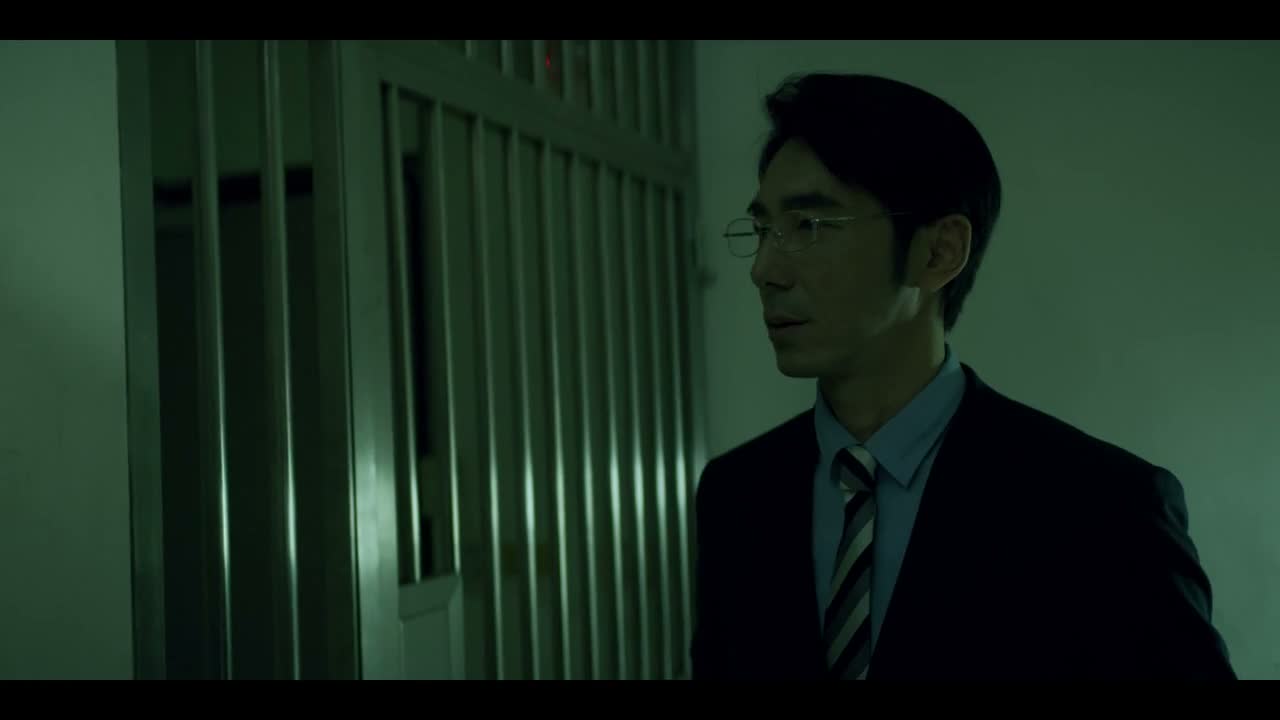
何必这般鬼鬼祟祟呢
“Why do you have to be so sneaky?”
THE DIALOGUE REEL
“If you want to watch, do it openly.”
何必 这般 鬼鬼祟祟 呢
“Why do you have to be so sneaky?”
院主她们向来如此不守规矩
“President Wan, they've always been like this—unruly”
“Stop hiding in the shadows; your underhanded snooping is pathetic.”
Traditional Chinese morality heavily values behaving 'dafang' (open, dignified, and upright), viewing sneaky, hidden snooping ('guiguisuisui') as dishonorable and petty.
LEARNING CHUNKS & PARTICLES
why bother; there is no need to
A rhetorical adverb used to challenge the necessity or appropriateness of an action.
sneaky; furtive; stealthy
An idiom (chengyu) describing surreptitious, suspicious actions that cannot face public scrutiny.
Adds rhetorical force to the question, expressing disapproval and mild exasperation.
VOCABULARY & EXPRESSIONS
Parallel Spoken Cinema Scenes (语义近邻切片)

“the little affection I have for you.”

“Why take them so seriously?”

“there's no need for such hostility.”

“why must you do this?”

“you always catch me off guard.”
“You're sneaking around.”