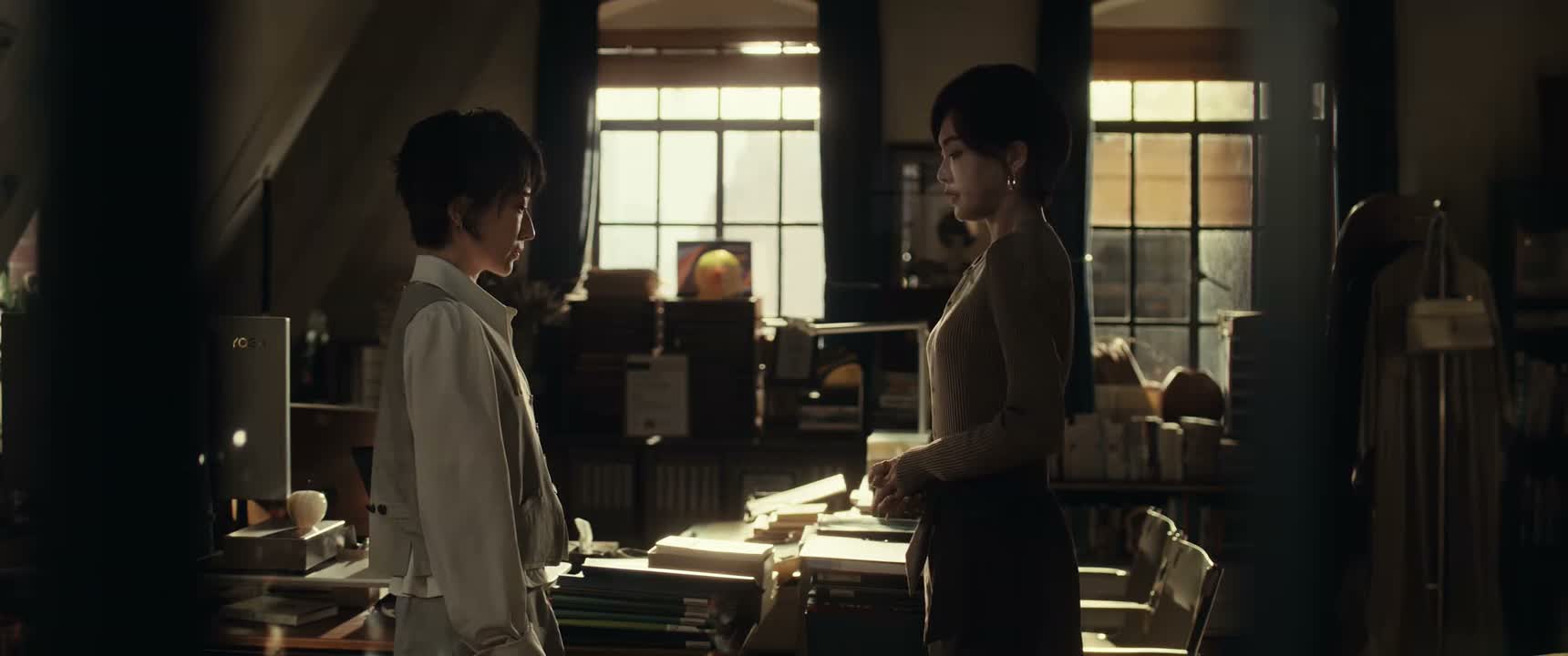
《Vanished Name》 S1·E24 (33:42)
HSK 7
nǐ shì bú shì hái zài wèi le wǒ bǎ gōng zuò cí le shēng qì ne
你是不是还在为了 我把工作辞了生气呢
“Are you still mad that I quit my job?”
《Vanished Name》
S1·E24
TIMECODE: 33:42
·
1080P MASTER AUDIO
THE DIALOGUE REEL
[-1] PREVIOUS TURN
bù yòng
不用
“No need.”
nǐ shì bú shì hái zài wèi le wǒ bǎ gōng zuò cí le shēng qì ne
CURRENT FOCUS
你 是不是 还在 为了 我把 工作 辞了 生气 呢
“Are you still mad that I quit my job?”
[+1] FOLLOW-UP TURN
gōng zuò wǒ néng zhǎo dào wǒ qù qìng zhōu yòu bú shì wèi le zhuàn qián
工作我能找到 我去庆州又不是为了赚钱
“I can find work. I'm not there to make money.”
Subtitles synced to millisecond timecode
Browse Show Clips →
Scene:
Social & Dating
Function:
SEEKING CLARIFICATION
Tone:
PROBING AND GENTLE
Emotion:
CONCERN
WHAT THEY REALLY MEAN (PRAGMATIC SUBTEXT)
“Stop giving me the cold shoulder and tell me if you are still upset about my resignation.”
💡 Cultural Insight: Emotional Indirectness in Relationships
Chinese partners often mask discontent through withdrawal or brief refusals ('不用'), prompting the other party to actively probe and smooth over hurt feelings.
INTENT TAGS:
#probing
#reconciliation
#checking_in
#defusing_tension
🧩
2 CHUNKS · 1 PARTICLES
LEARNING CHUNKS & PARTICLES
你是不是
SPOKEN CHUNK
are you / could it be that
A common conversational pattern used to gently probe or verify a suspicion.
把工作辞了
SPOKEN CHUNK
quit one's job
An everyday disposal 'ba' construction expressing resignation from employment.
Modal Particle「呢」 (ne)
CHANGE OF STATE
Softens the interrogative tone while indicating an ongoing emotional state of anger.
🏮
5 EXPR · 6 GRAMMAR
VOCABULARY & EXPRESSIONS
COLLOQUIAL EXPRESSIONS:
CROSS-CINEMA CORPUS BOARD · PARALLEL SCENES
EXPLORE BY SEMANTIC SIMILARITY
Parallel Spoken Cinema Scenes (语义近邻切片)
《Vanished Name》 S1·E24 (33:42) · Authentic Cinema Dialogue Corpus