不是说好了吗 你赢了 我才当教练
“Didn't we agree I'd only be the coach if you won?”
THE DIALOGUE REEL
“You lost in the morning, and I lost this afternoon. So, it's a tie.”
不是说好了吗 你赢了 我才当教练
“Didn't we agree I'd only be the coach if you won?”
好
“Fine.”
“A tie doesn't count, so I am off the hook unless you actually beat me.”
Informal peer agreements rely heavily on verbal honor, where reminding someone of 'what was agreed' carries strong conversational leverage.
LEARNING CHUNKS & PARTICLES
didn't we already agree on this
A rhetorical question used to hold someone accountable to an earlier verbal agreement.
only then; only under the condition that
Used after a conditional clause to indicate that the outcome is strictly contingent on that condition being met.
Turns the statement into a rhetorical question to demand confirmation and invoke accountability.
VOCABULARY & EXPRESSIONS
Parallel Spoken Cinema Scenes (语义近邻切片)

“I'd only be the coach if you won?”

“I told you. She'll win.”
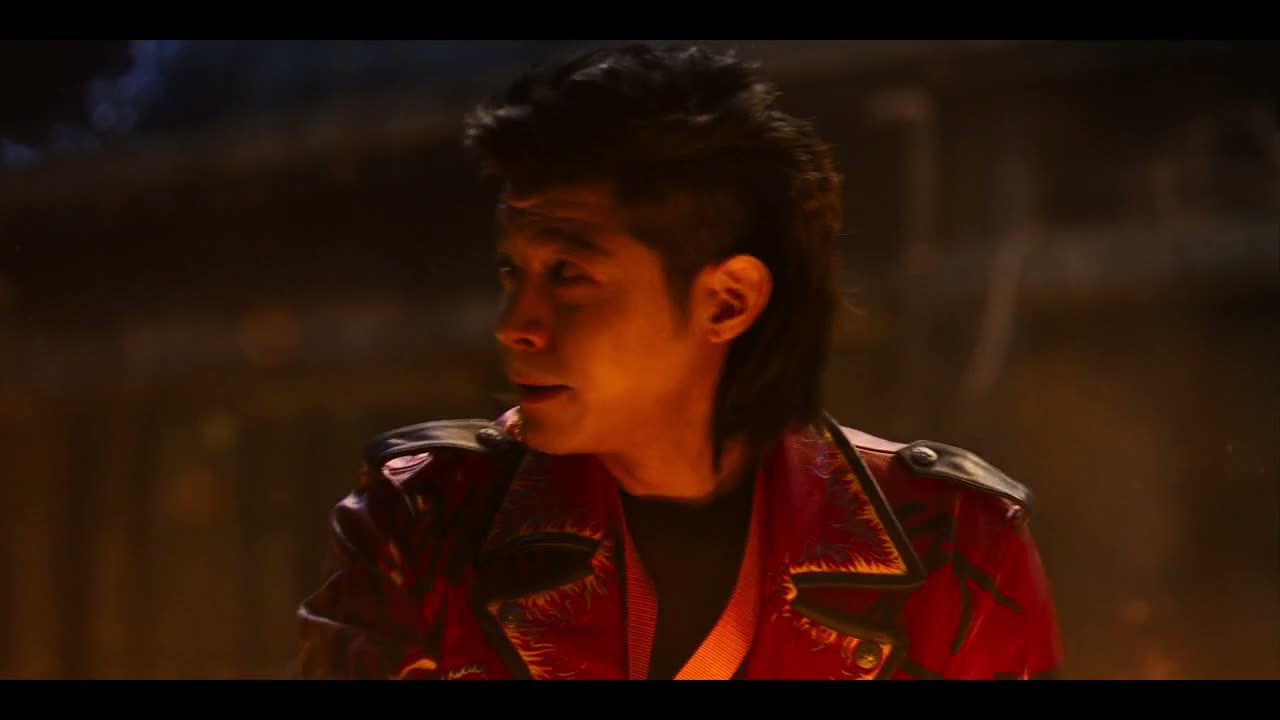
“I'd defeat you easily otherwise.”

“You definitely didn't say anything to Coach like "Please stay,"”

“it means he knows we will win. My friends, we will win!”

“I already agreed to be their coach. I have to teach them some real stuff.”