医生不是说让你跟我商量吗 你没有跟我商量呢
“Didn't the doctor say you should discuss it with me? You never discussed it with me.”
THE DIALOGUE REEL
为什么
“Why?”
医生 不是说 让你 跟我商量 吗 你没有 跟我商量 呢
“Didn't the doctor say you should discuss it with me? You never discussed it with me.”
你妈跟我说过
“Your mother once told me”
“You deliberately kept this from me when you should have consulted me first.”
In Chinese medical contexts, major treatments are rarely individual decisions; doctors expect the family collective to consult and reach consensus.
LEARNING CHUNKS & PARTICLES
didn't [someone] say that...
Used rhetorically to remind the listener of an established fact or instruction that they ignored.
to discuss / to consult
A core collaborative verb used when reaching mutual family or business decisions.
Forms a rhetorical question highlighting an undeniable expectation.
Softens the accusation slightly while marking a lingering grievance or contrast.
VOCABULARY & EXPRESSIONS
Parallel Spoken Cinema Scenes (语义近邻切片)
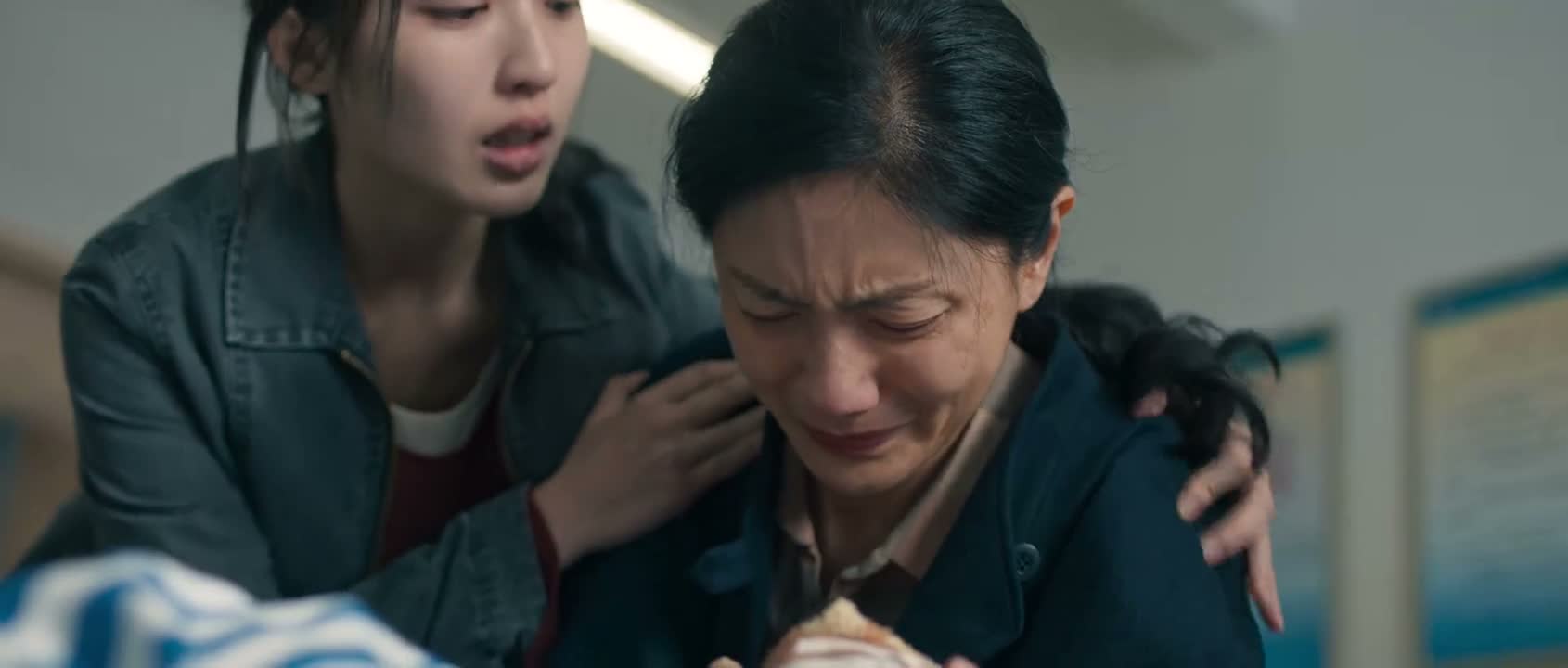
“Didn't the doctor say”

“The doctor said”
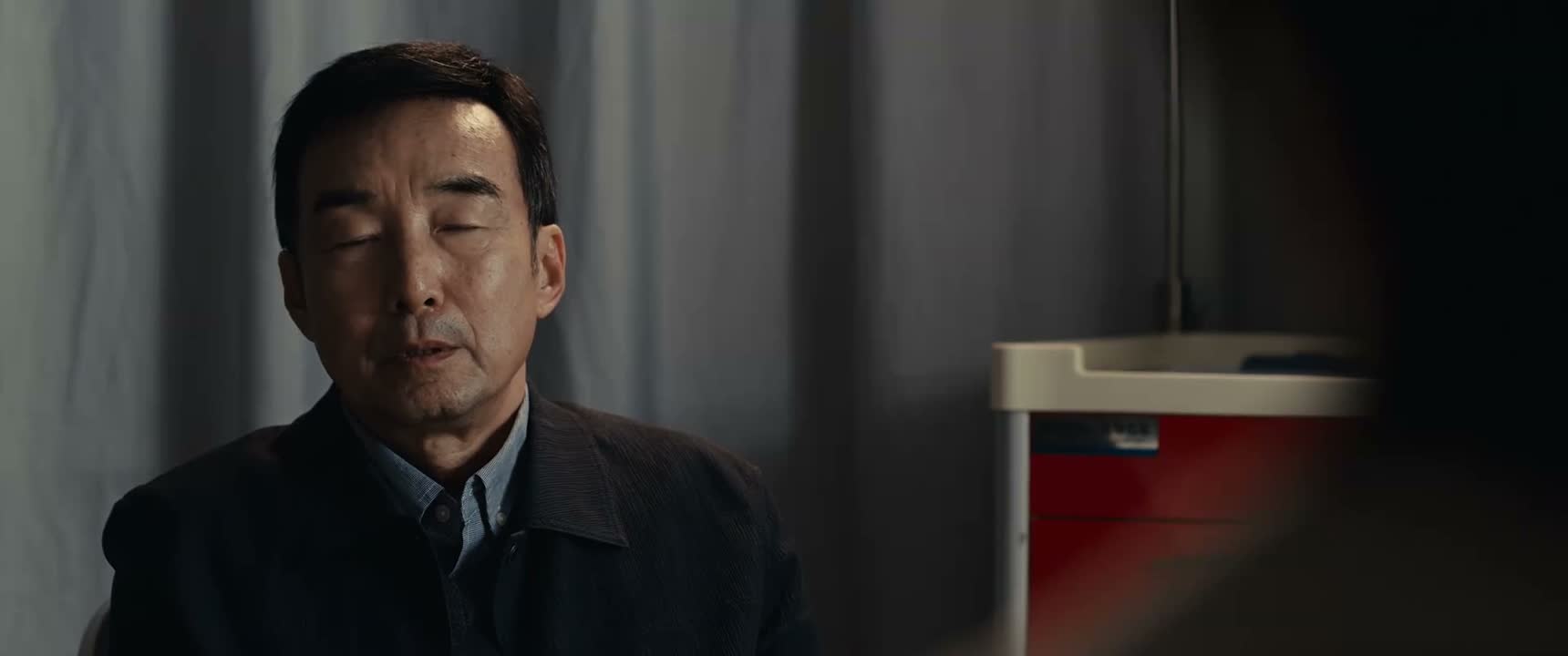
“The doctor came to see me this morning. He asked me to discuss with you”

“because I want to discuss this with you.”
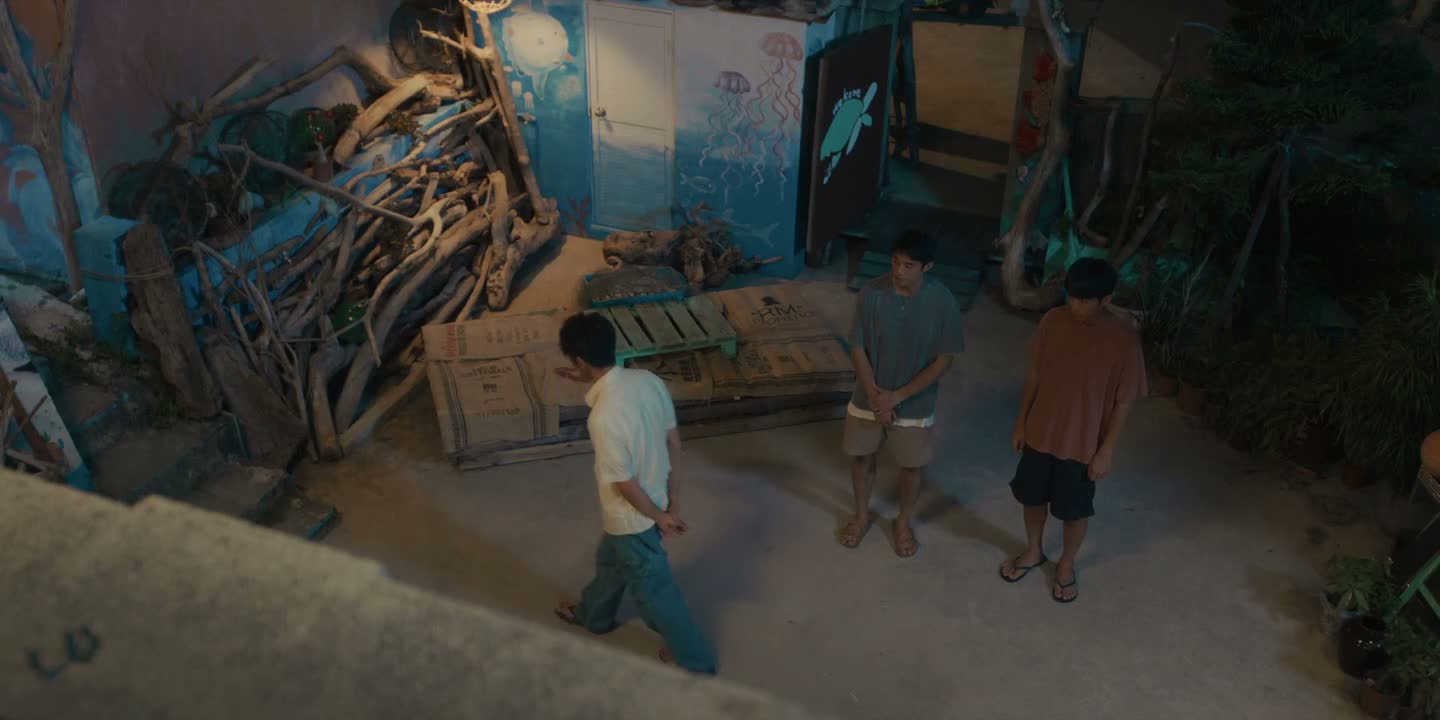
“You can discuss with us.”

“I'm just discussing it with you.”