来 赶紧的 赶紧的 快 快快快
“Hurry up. Come on. Get moving.”
THE DIALOGUE REEL
“Clear your stuff out and move it in here. I'm sleeping in that room.”
来 赶紧的 赶紧的 快 快快快
“Hurry up. Come on. Get moving.”
赶紧进来收拾 收拾完了 我好把我的东西搬进来
“Get in there and start packing. Once you're done, I can move my stuff in.”
Direct spoken expression in this communicative setting.
In close Chinese relationships, omitting polite buffers like 'please' and using repetitive imperatives signals closeness and efficient collaboration rather than actual disrespect.
LEARNING CHUNKS & PARTICLES
hurry up; get a move on
An energetic colloquial command used among familiars to urge immediate action.
quick, quick, quick
Repeating '快' in rapid succession expresses strong urgency and high energy.
Functions here as an emphatic marker turning the adverb '赶紧' into a punchy imperative command.
VOCABULARY & EXPRESSIONS
Parallel Spoken Cinema Scenes (语义近邻切片)

“Hurry up, come on.”
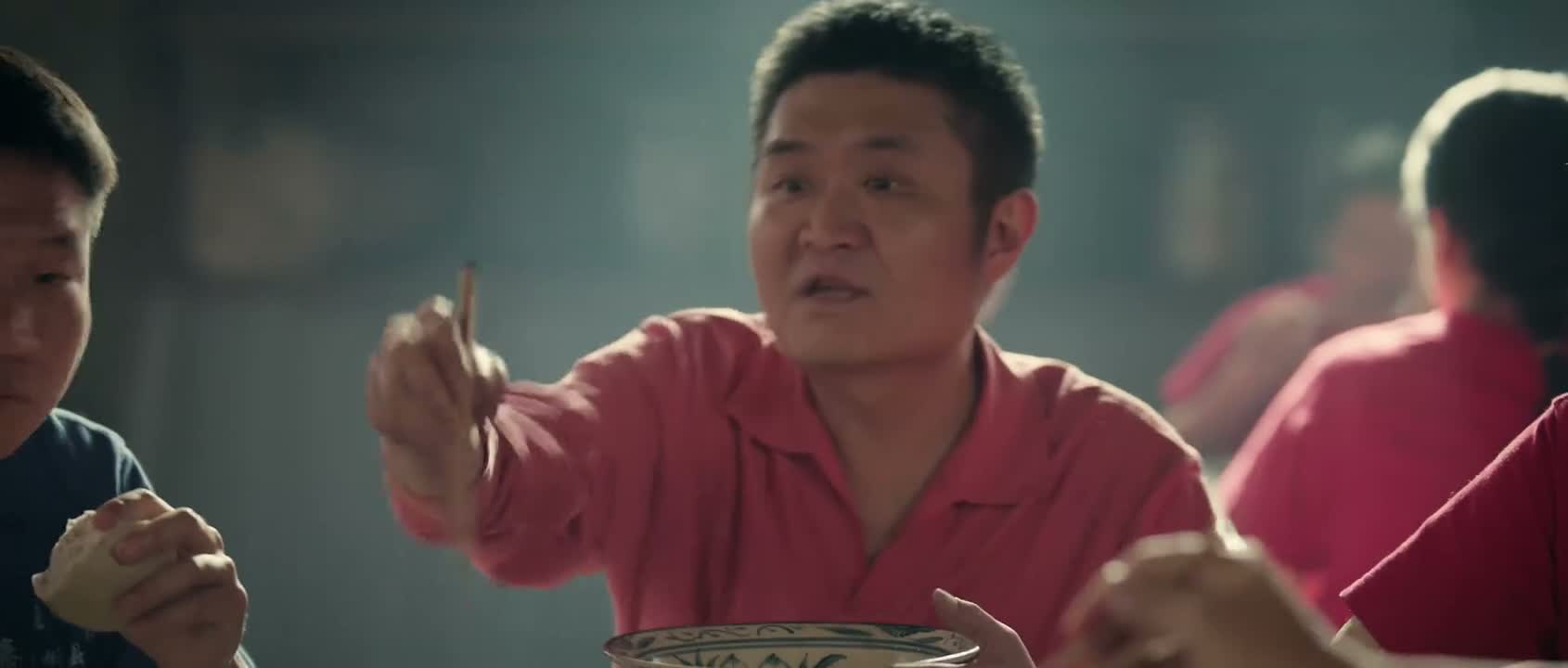
“Hurry up. Come on, hurry up.”

“Hurry! Hurry up! Go. Go. Go.”

“Get everyone out! Okay. - Quick! - Quick!”

“Hurry up. Let's go.”

“Mimi, come down!”

“Mimi, come down!”

“(No-Name Diner) Quick. Hurry up. We've got to move fast.”

“Come on, shuffle the cards. Hurry it up.”

“Hurry, call a waitress to clean it up.”

“-Alright, alright. -Hurry up and go.”

“Come on, quick, quick. What's it? Something important. Right, right, right.”

“-know about it. -Okay. -Hurry up. -Okay.”

“Yes, let's wrap it up securely.”

“Place your bets! Hurry up!”