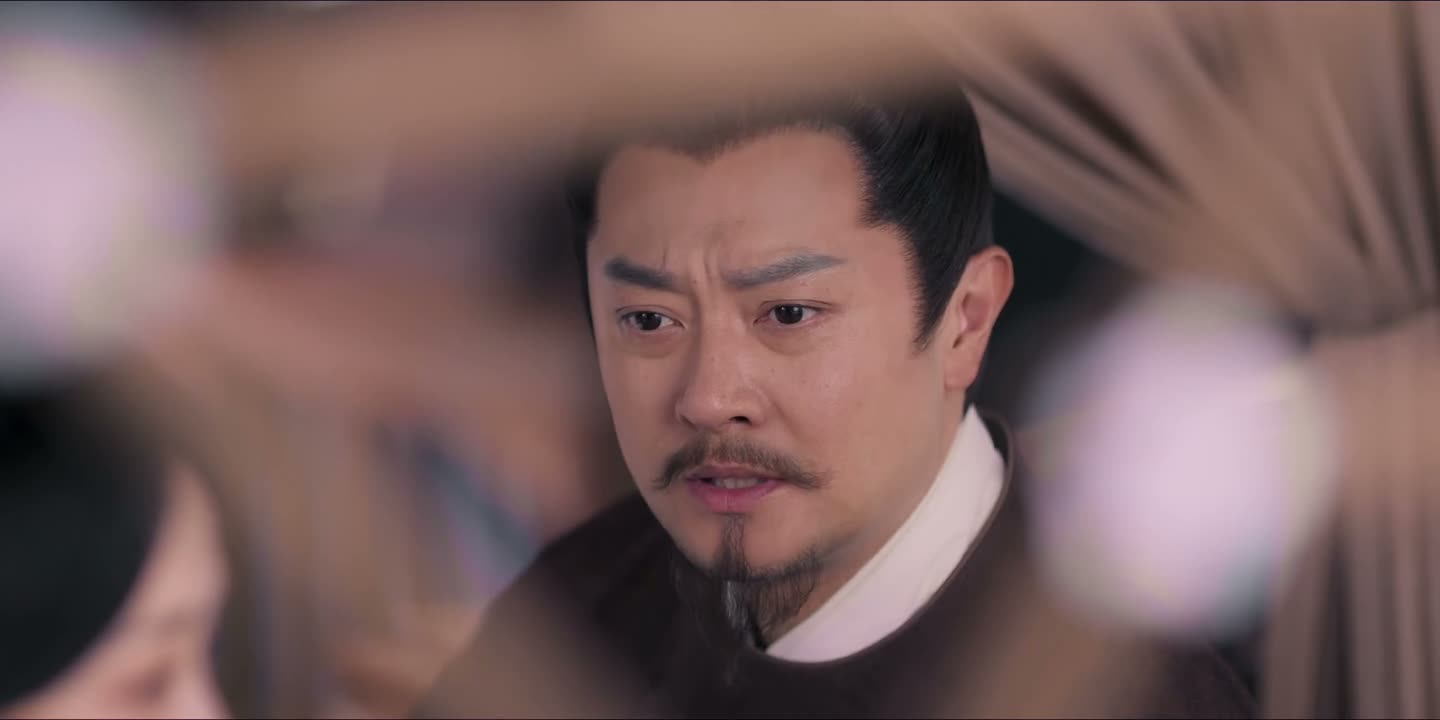
不是好好地在看电视吗 他突然跟我说
“he was watching TV just fine, and then he suddenly said”
THE DIALOGUE REEL
午睡起来
“After his nap,”
不是 好好地 在 看电视 吗 他 突然 跟我说
“he was watching TV just fine, and then he suddenly said”
“he wanted to call some old colleagues from way back.”
“Everything was completely normal until he out of nowhere brought up something strange.”
Chinese speakers often contrast a harmonious, settled domestic state ('好好地') with sudden anomalies to emphasize their bewilderment.
LEARNING CHUNKS & PARTICLES
wasn't/weren't... (rhetorical question marker)
Used to confirm a prior state of affairs while expressing surprise or doubt about a sudden change.
smoothly, in good order, properly
Describes an activity or state proceeding normally before an unexpected disruption occurs.
Forms a rhetorical question appealing to common agreement about the prior situation.
VOCABULARY & EXPRESSIONS
Parallel Spoken Cinema Scenes (语义近邻切片)

“Weren't we fine? Let me explain to you properly.”

“We were watching TV, and he grabbed the remote from me.”

“I was watching it first. Why should I give in to him? It's always "why" with you!”
“I'm speaking with you calmly, aren't I?”

“Didn't I say to eat properly? If you keep this up,”

“I have some things to say to him. Okay.”