也要好好地保重身子
“must take good care of yourself too.”
THE DIALOGUE REEL
也要 好好地 保重身子
“must take good care of yourself too.”
“This way, Yunkui can feel at ease.”
Direct spoken expression in this communicative setting.
In Chinese emotional culture, expressing concern for the other person's physical health (身子) rather than personal ambition is the ultimate sign of affection and devotion.
LEARNING CHUNKS & PARTICLES
take care of one's health / look after oneself
A warm, caring phrase commonly used when parting or advising someone under physical strain.
properly; diligently; thoroughly
Used as an adverbial before verbs to emphasize doing something with care and sincerity.
VOCABULARY & EXPRESSIONS
Parallel Spoken Cinema Scenes (语义近邻切片)

“From now on, you must take good care of yourself.”

“[He] Take care.”

“You really need to take care of yourself.”
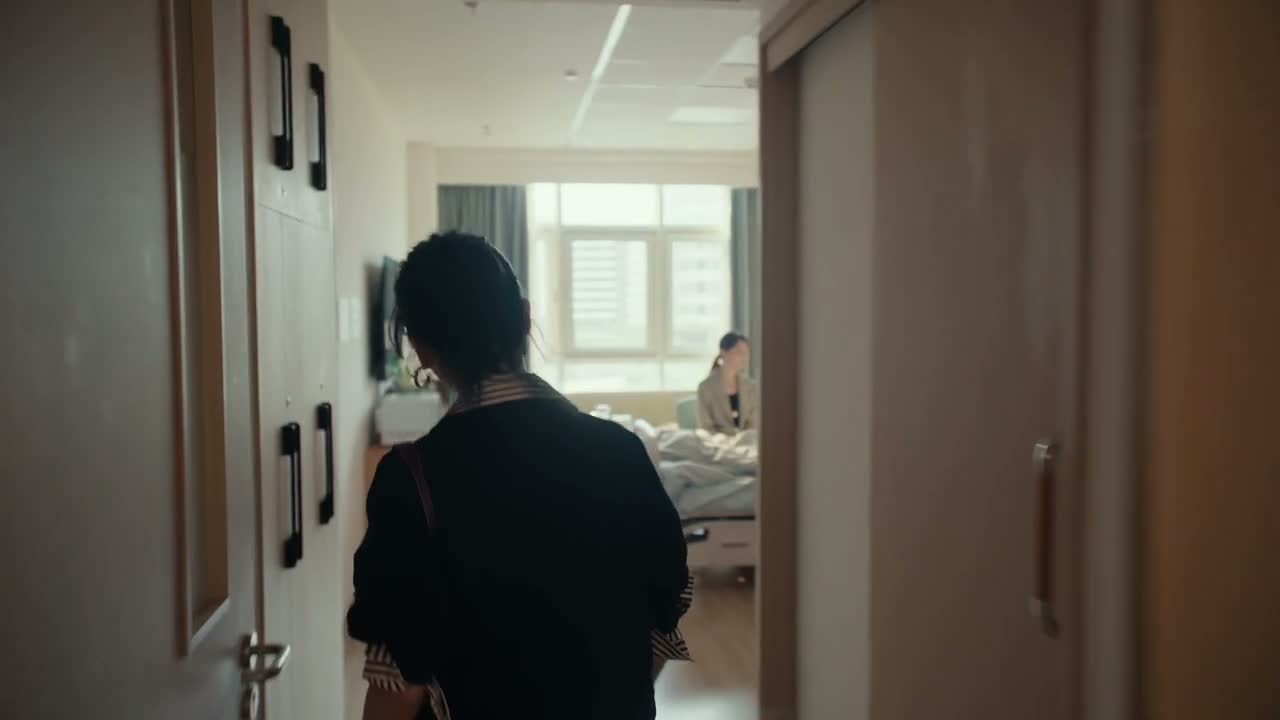
“Your health matters most.”
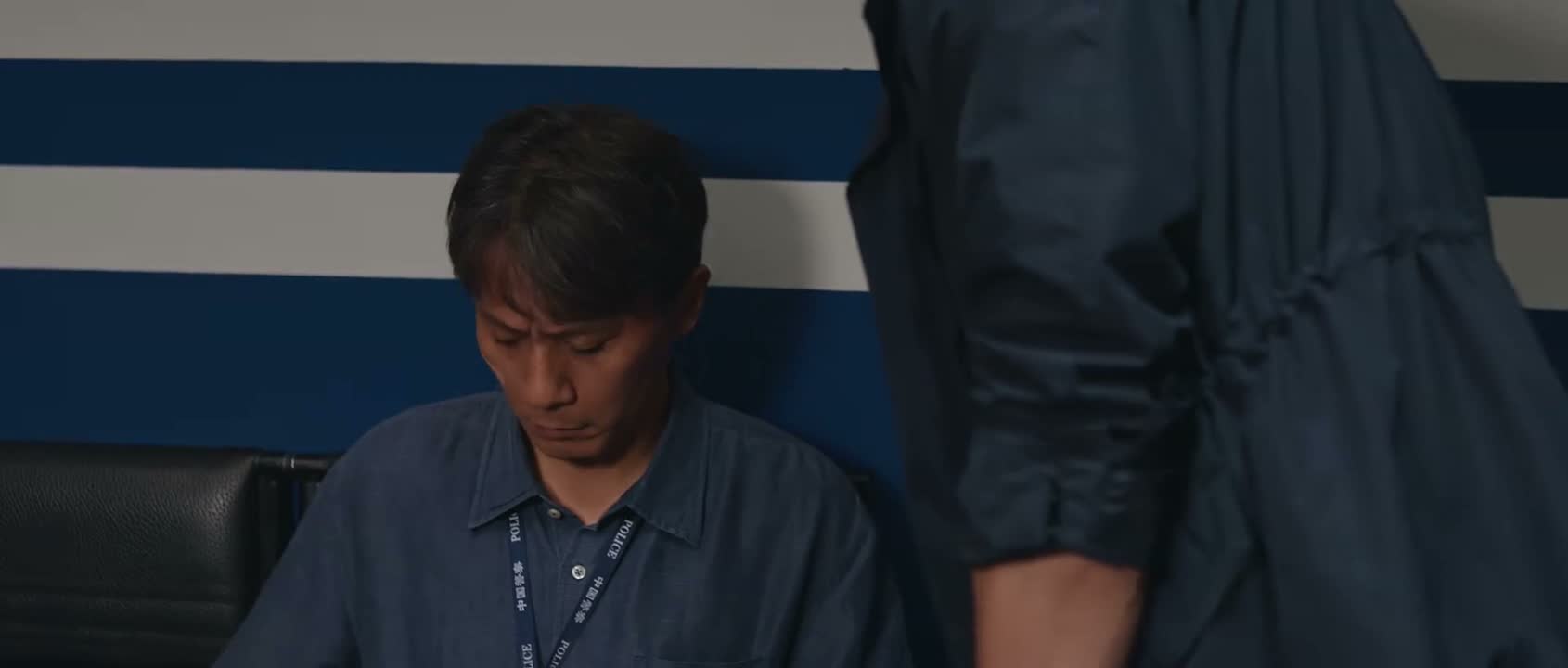
“He wants you to rest and recuperate at home.”

“you must take good care of yourself.”

“And you. Take care of yourself.”

“to take care and eat well repeatedly.”

“please bless him with a quick recovery,”

“Please take good care of yourself”

“take care of yourself.”

“Take care of yourself.”

“Take care of yourself.”

“Take good care of yourself.”

“you must take good care of yourself."”

“Your health is more important than anything. We can take the exam next year.”

“You focus on recovering your health.”

“You pay more attention recently. Also, take more rest to recover.”