谁还没有不光彩 上不了台面的心思和故事呢?
“Who doesn't have disgraceful thoughts and stories?”
THE DIALOGUE REEL
你只是不喜欢掩饰
“You just hate to hide your thoughts.”
谁 还没有 不光彩 上不了台面 的 心思 和故事 呢 ?
“Who doesn't have disgraceful thoughts and stories?”
县主
“Your Ladyship.”
“You don't need to feel guilty; every single one of us has dark secrets.”
In Confucian social ethics where moral perfection and public image are paramount, openly acknowledging human moral fallibility offers deep emotional solace.
LEARNING CHUNKS & PARTICLES
unpresentable; shameful; inappropriate for public display
An idiomatic expression describing things, thoughts, or actions that lack decency or cannot withstand public scrutiny.
disgraceful; dishonorable
Used to describe conduct, history, or thoughts that compromise one's moral reputation.
Softens the rhetorical question and invites empathetic reflection from the listener.
VOCABULARY & EXPRESSIONS
Parallel Spoken Cinema Scenes (语义近邻切片)

“It's OK. I shouldn't have told you about this audition.”

“Never really been out. He means no harm,”

“Never once did I intend to fight any of you for power or profit.”
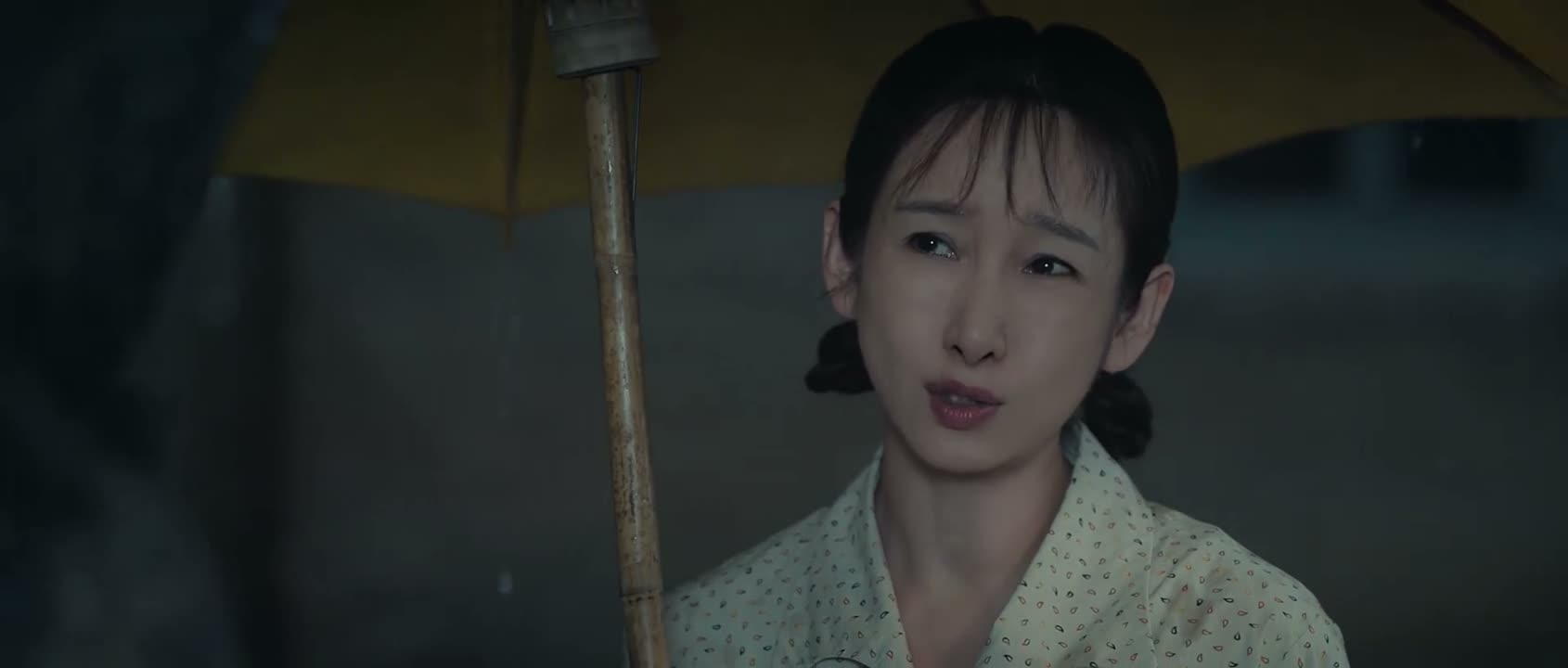
“It's nothing to be proud of. No.”

“Qian is none of your concern.”
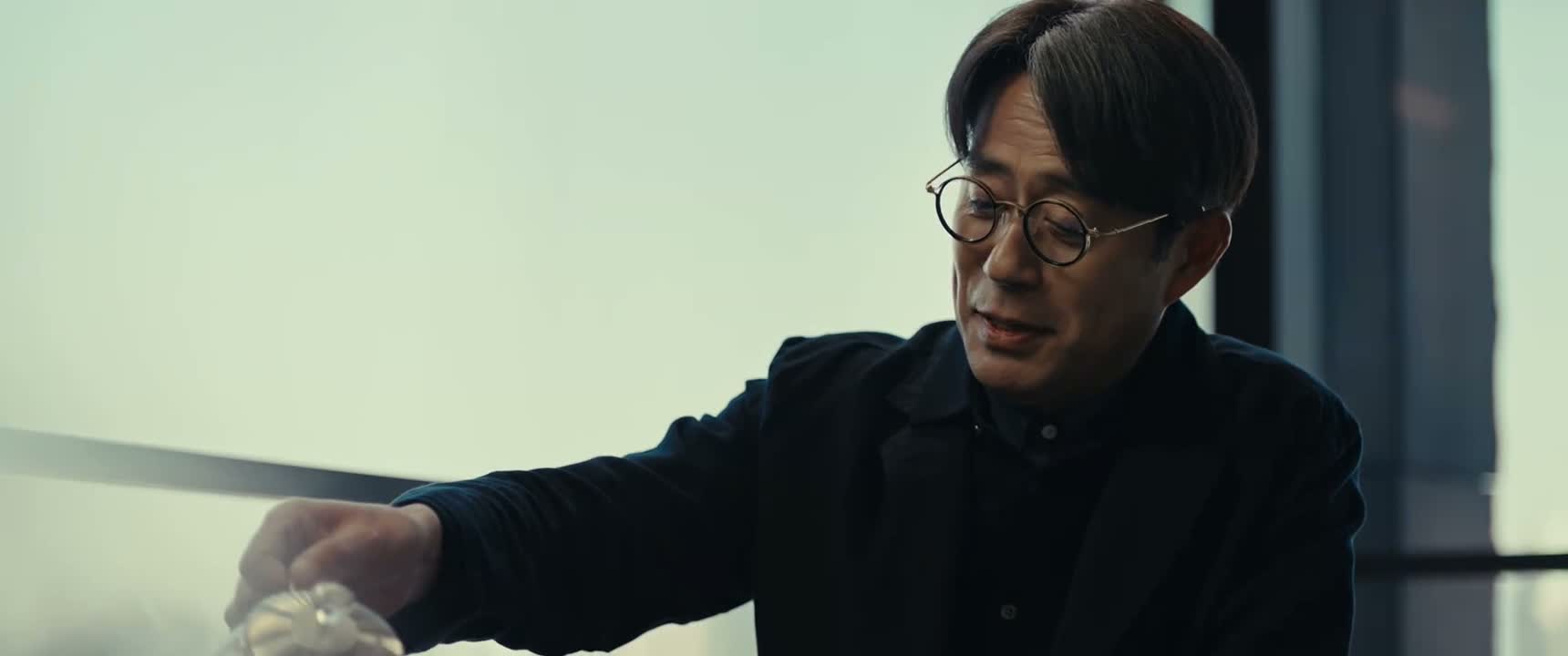
“Can't we just make something up?”