这不是想出破局的办法来了吗?
“See, we found a way to break the deadlock.”
THE DIALOGUE REEL
若是短兵相接不可得胜 便可围魏救赵
“If a head-on clash cannot bring victory, then besiege Wei to rescue Zhao.”
这不是 想出 破局的办法 来了 吗 ?
“See, we found a way to break the deadlock.”
王爷
“Your Highness.”
“See, you've just come up with the perfect solution to solve our crisis.”
Using a negative rhetorical question to emphasize a positive fact is a standard Chinese conversational strategy to cheer someone up or highlight an obvious success.
LEARNING CHUNKS & PARTICLES
to come up with a solution
A highly common verbal collocation used when formulating a plan or solving a problem.
to break a deadlock; to overcome an impasse
Widely used in business, strategy, and drama to describe turning around a stalemate.
Marks a rhetorical question that prompts agreement rather than asking for actual information.
VOCABULARY & EXPRESSIONS
Parallel Spoken Cinema Scenes (语义近邻切片)

“We'll have to find another way.”

“and tried every way I could.”

“But that's our only option now.”
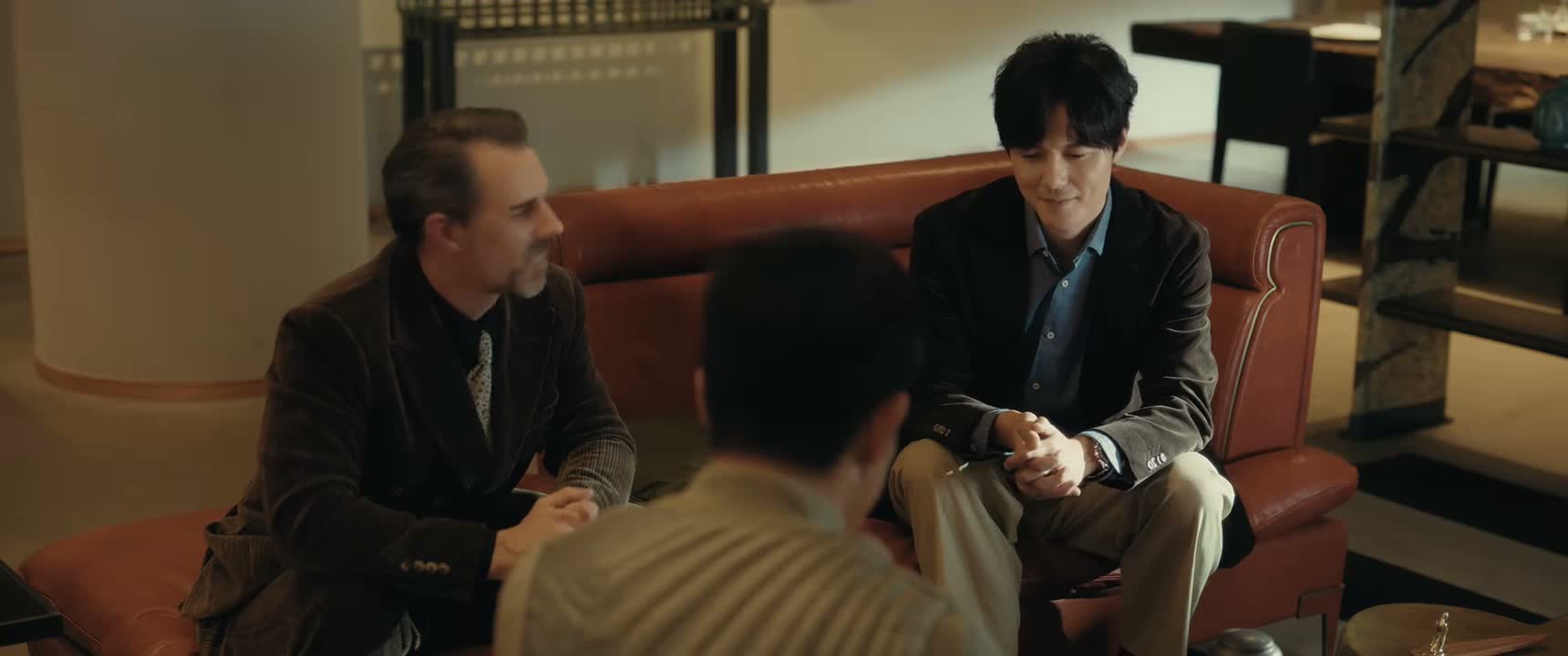
“Let's find a way to push things along.”

“I'll figure something out.”

“Give me some ideas. Do you have any good methods?”