你以为你现在和我爹有什么区别
“Are you any different from my father now?”
THE DIALOGUE REEL
太可笑了
“How ridiculous.”
你以为你现在和我爹有什么区别
“Are you any different from my father now?”
“Stop acting righteous; you are just as selfish and corrupt as my father.”
Framing an accusation as a rhetorical question ('Do you think...?') is a sharp conversational tactic used to dismantle an opponent's moral high ground.
LEARNING CHUNKS & PARTICLES
you think / you mistakenly believe
Commonly introduces a rhetorical challenge indicating the listener's assumption is arrogant or completely wrong.
what difference is there
A rhetorical phrase used to emphasize that two seemingly distinct things are essentially the same.
VOCABULARY & EXPRESSIONS
Parallel Spoken Cinema Scenes (语义近邻切片)

“Don't you know your father's temper?”

“Is this not what you told me, Father?”

“the world to know”
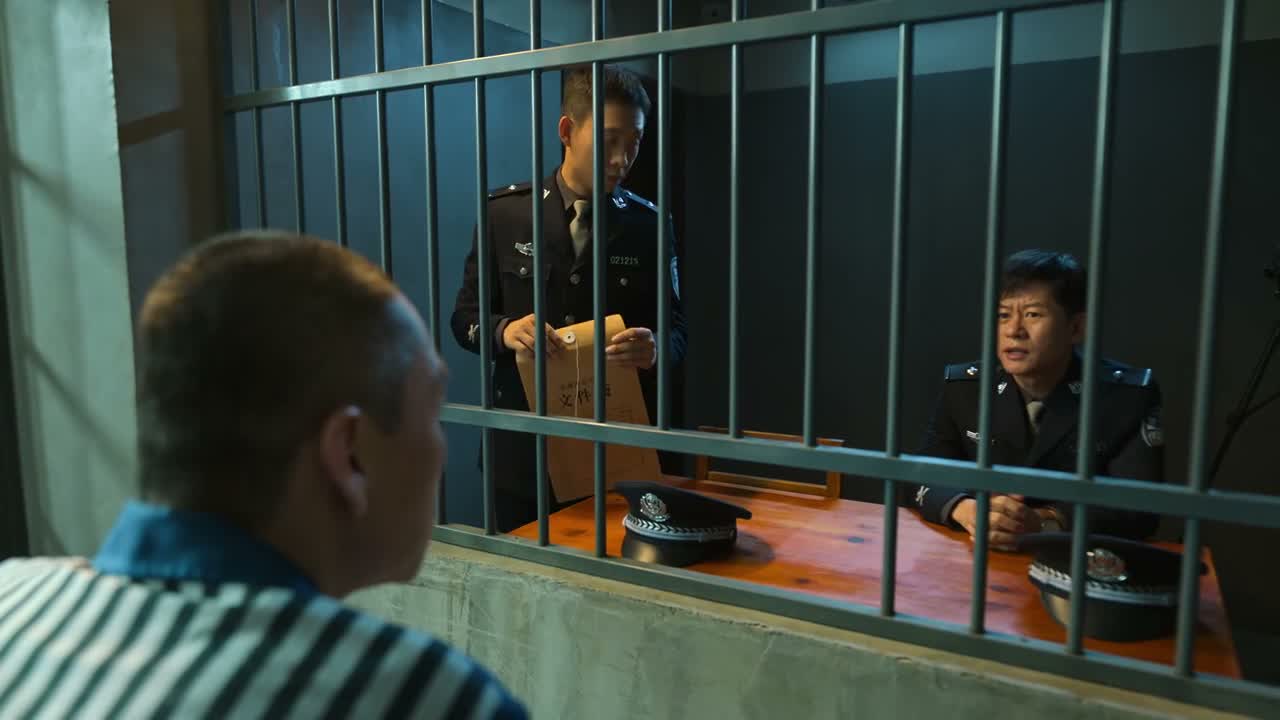
“Do you think you are qualified to be a father now?”
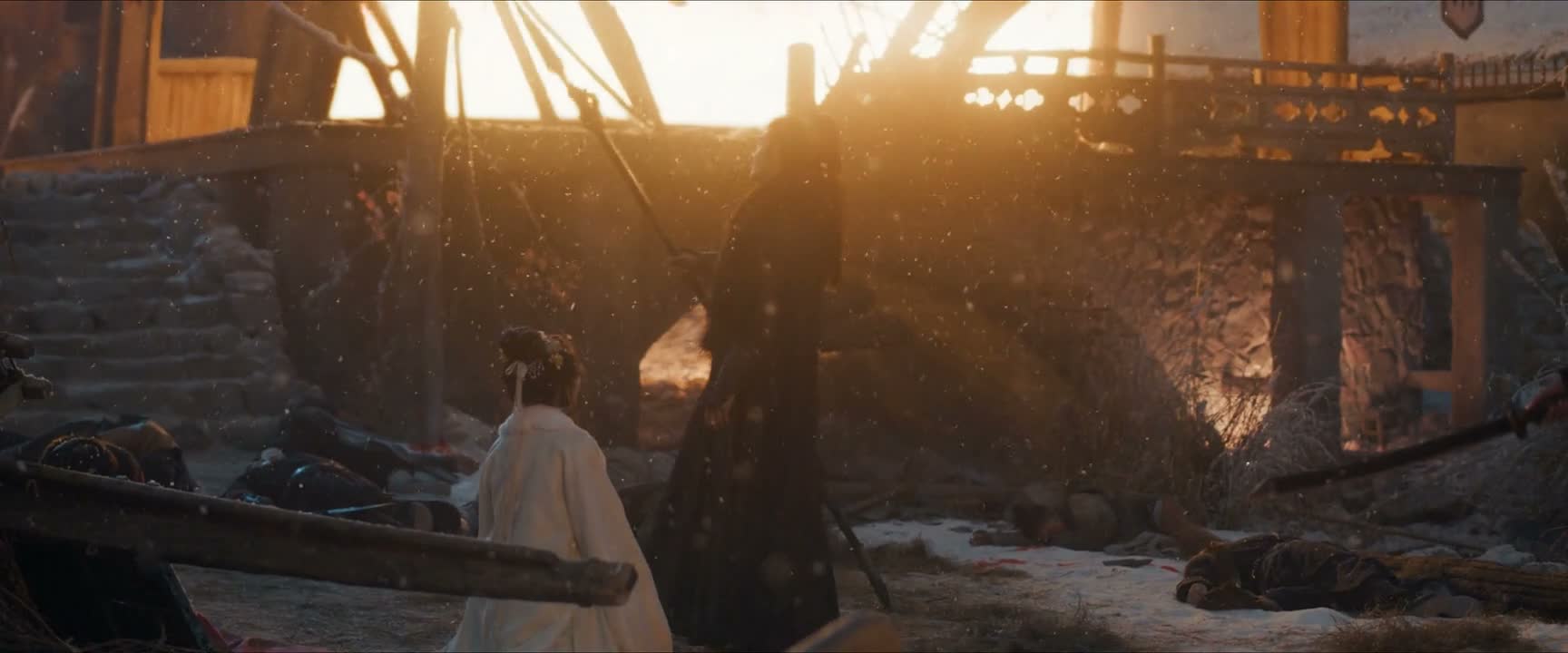
“You've got more backbone than your father.”

“So, you do care for me.”