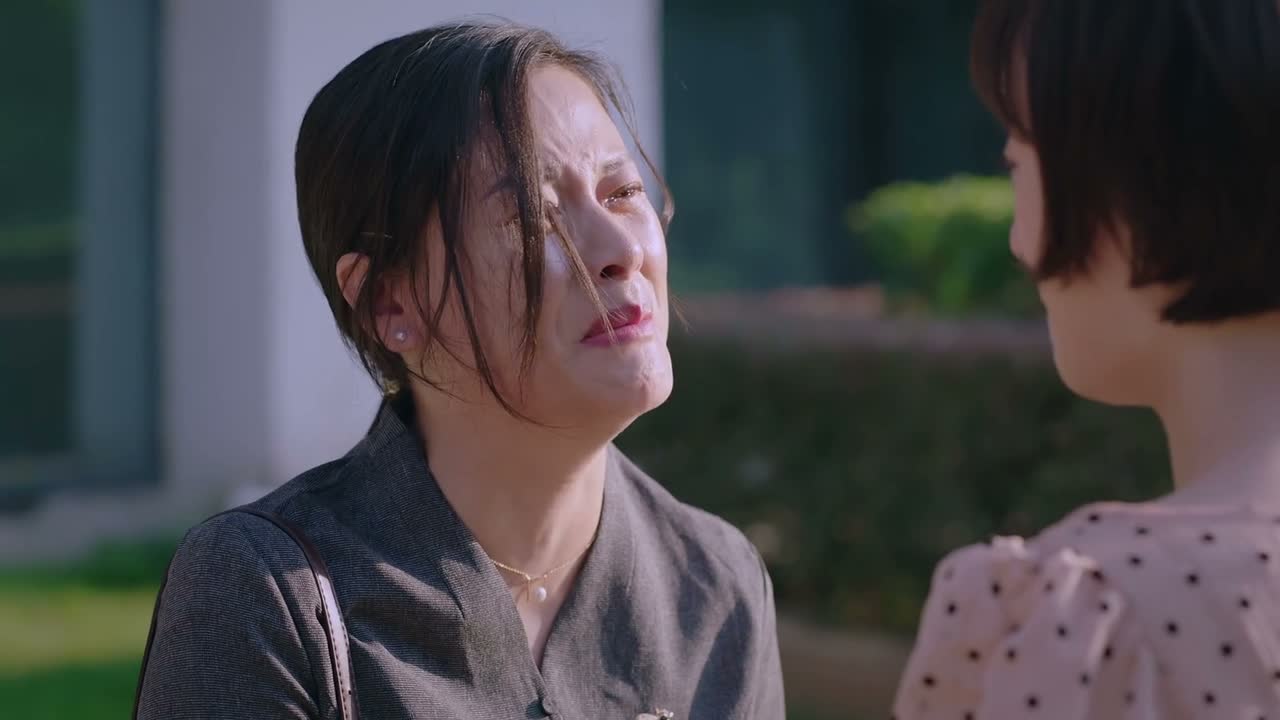
别以为我不知道啊 要不是因为你
“Don't think I don't know! If it weren't for you,”
THE DIALOGUE REEL
“Shisan is infatuated with you, but you ignore her.”
别以为我不知道 啊 要不是因为 你
“Don't think I don't know! If it weren't for you,”
我都不会被范家收养
“I wouldn't have been adopted by the Fans!”
“Stop lecturing me—I know the secret role you played in changing my fate.”
In traditional Chinese narratives, being taken in by a prominent clan carries heavy obligations, and discovering the hidden reason behind one's adoption often triggers complex feelings of debt or manipulation.
LEARNING CHUNKS & PARTICLES
don't think that; don't assume that
Used to shatter someone's false assumption, often when calling out a secret or a miscalculation.
if it weren't because of
A strong conditional phrase used to attribute blame or credit to a specific person or event for an outcome.
Adds an assertive, warning edge to the statement, emphasizing that the speaker is not clueless.
VOCABULARY & EXPRESSIONS
Parallel Spoken Cinema Scenes (语义近邻切片)

“Don't think I don't understand women.”

“Don't think I don't know. The night Chief Judge Xu retired,”

“Do not think I did not notice. You even practiced in secret afterward.”

“We know even if you didn't say anything.”

“Do I not know he's doing this for you? I've already confessed. I don't need him to cover for me.”

“Don't think I don't know what's in that little flask of yours.”

“You think we don't know what you're really like? Let me go!”

“Don't think I don't know. You're with them.”

“Don't think I don't know. You've been looking forward to going for a long time.”

“You were bought off a long time ago.”

“Don't think I don't know that you always put cake in the fridge.”

“You think I don't know? You deliberately”

“Let me tell you, don't think I don't see through you.”
“Do you think I don't know it?”