你不是不知道啊
“it's not like you don't know.”
THE DIALOGUE REEL
那不就是把世伯 再送回监狱吗 可是太爷的脾气
“isn't that just sending Uncle back to prison? But Master's temper,”
你不是不知道 啊
“it's not like you don't know.”
他要知道真相了 他宁愿死在监狱
“If he knew the truth, he would rather die in prison.”
“You know full well how stubborn he is, so stop suggesting something that will get him killed!”
Traditional patriarchs in Chinese culture often value unyielding personal dignity and pride above survival, placing heavy emotional burdens on juniors to protect them from humiliation.
LEARNING CHUNKS & PARTICLES
it's not like you don't know / you know full well
A rhetorical double negative used to highlight an obvious shared truth and challenge unreasonable behavior.
Softens the rhetorical confrontation while conveying exasperation and urgency.
VOCABULARY & EXPRESSIONS
Parallel Spoken Cinema Scenes (语义近邻切片)

“I don't know what you guys are up to,”

“Don't know? Aren't you my best friend? Why wouldn't you know?”

“No way you don't know. Of course you know.”

“You don't know this, but that young man was godsent.”

“Yes? Do you know”

“You guys seriously don't know? What happened?”

“You have no idea how bad it's gotten.”

“It seems you don't know.”

“You didn't know about this before?”

“Li, you have no idea. These past few days,”

“Yeah, I wouldn't have known if you didn't tell me.”

“So you didn't know”

“So I think I know you well.”

“didn't you know? Not long ago,”

“But you know,”
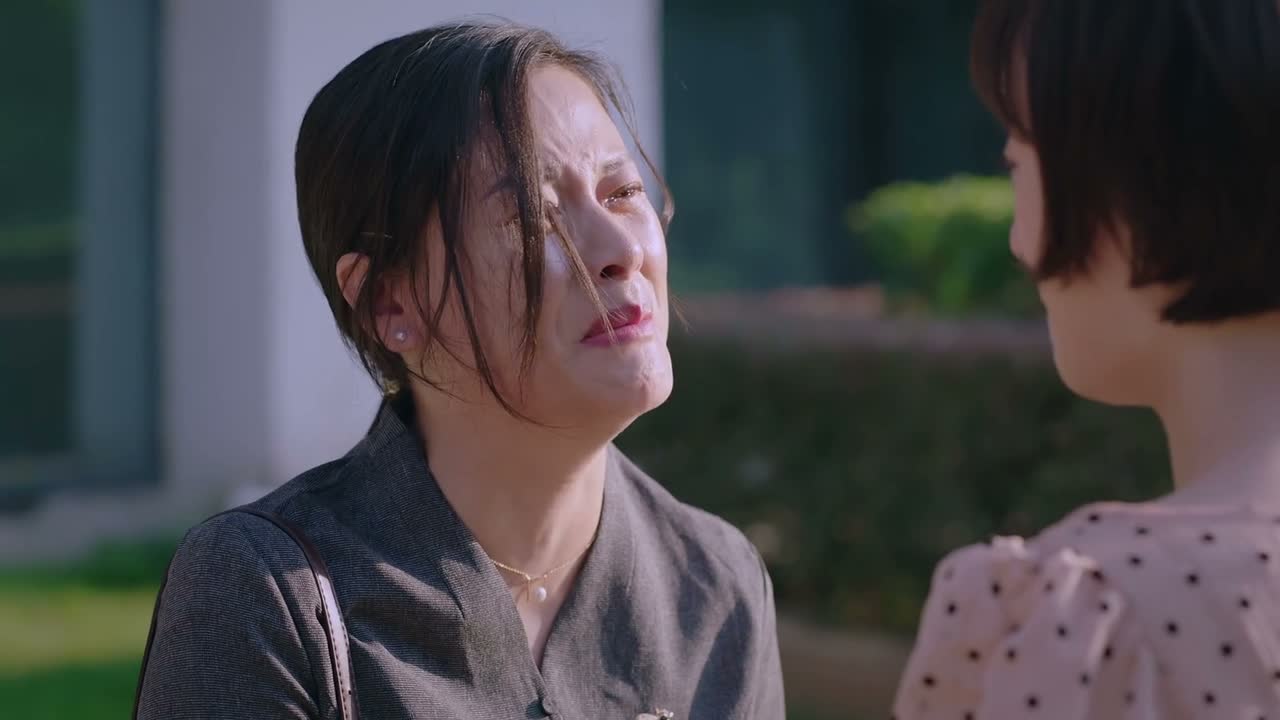
“Do you think I don't know it?”
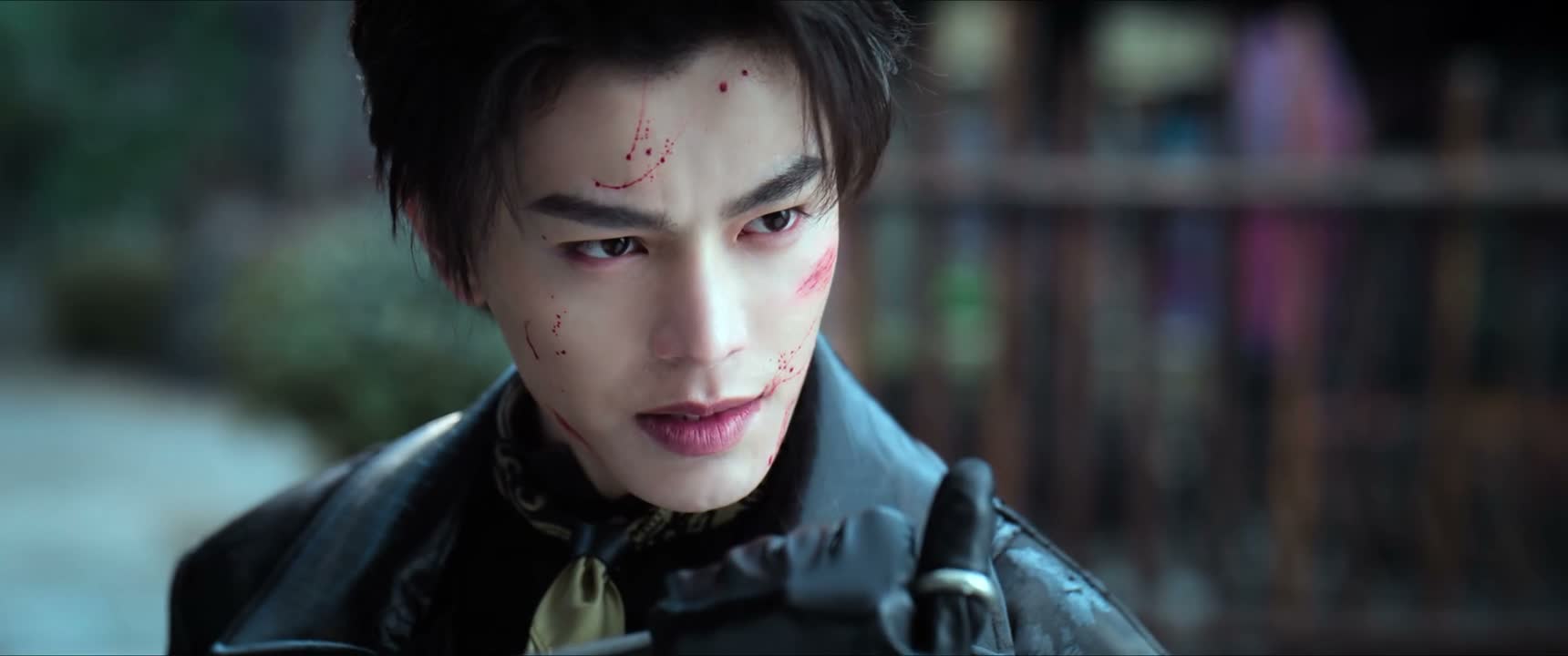
“Didn't you know that already?”

“Didn't you already know that?”
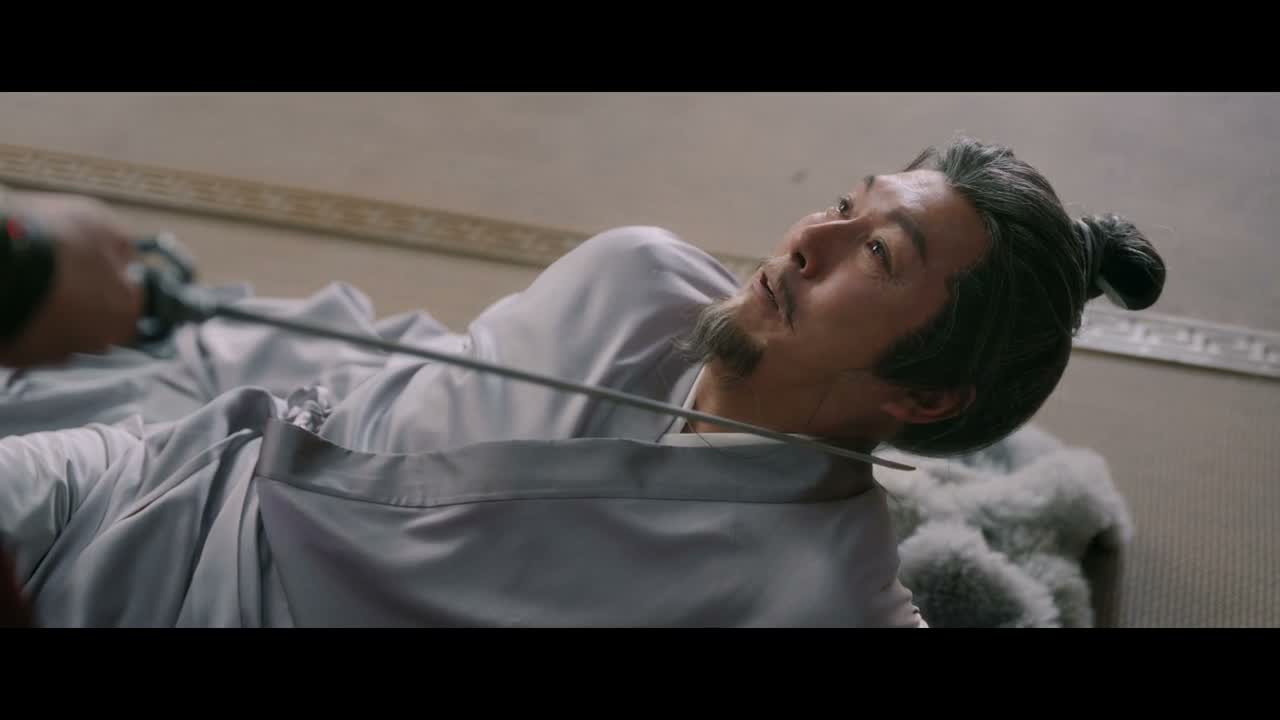
“So you knew all along.”