你不是也想置我於死地吗
“Aren't you trying to kill me too?”
THE DIALOGUE REEL
杀害了我重要的证人一样
“to murder my key witness.”
你不是 也想 置我於死地 吗
“Aren't you trying to kill me too?”
你觉得我为什么
“Why do you think”
“Don't act innocent; you've been trying to kill me all along.”
In Chinese social dynamics, openly accusing someone of lethal deceit marks the total tearing away of face and peaceful pretense.
LEARNING CHUNKS & PARTICLES
to put someone to death; to drive into a dead end
A formal four-character idiom describing lethal hostility or extreme harm towards someone.
aren't you also...?
A rhetorical framing used to confront someone with their own contradictions or guilt.
Transforms the statement into a sharp rhetorical question pressing the listener for acknowledgment.
VOCABULARY & EXPRESSIONS
Parallel Spoken Cinema Scenes (语义近邻切片)

“wanted to screw me over.”

“♪ Once shared the warmth of a palm ♪ I never wanted you dead. Why did you have to do this? ♪ Setting the gears of fate ♪”

“our past and seek my very life.”
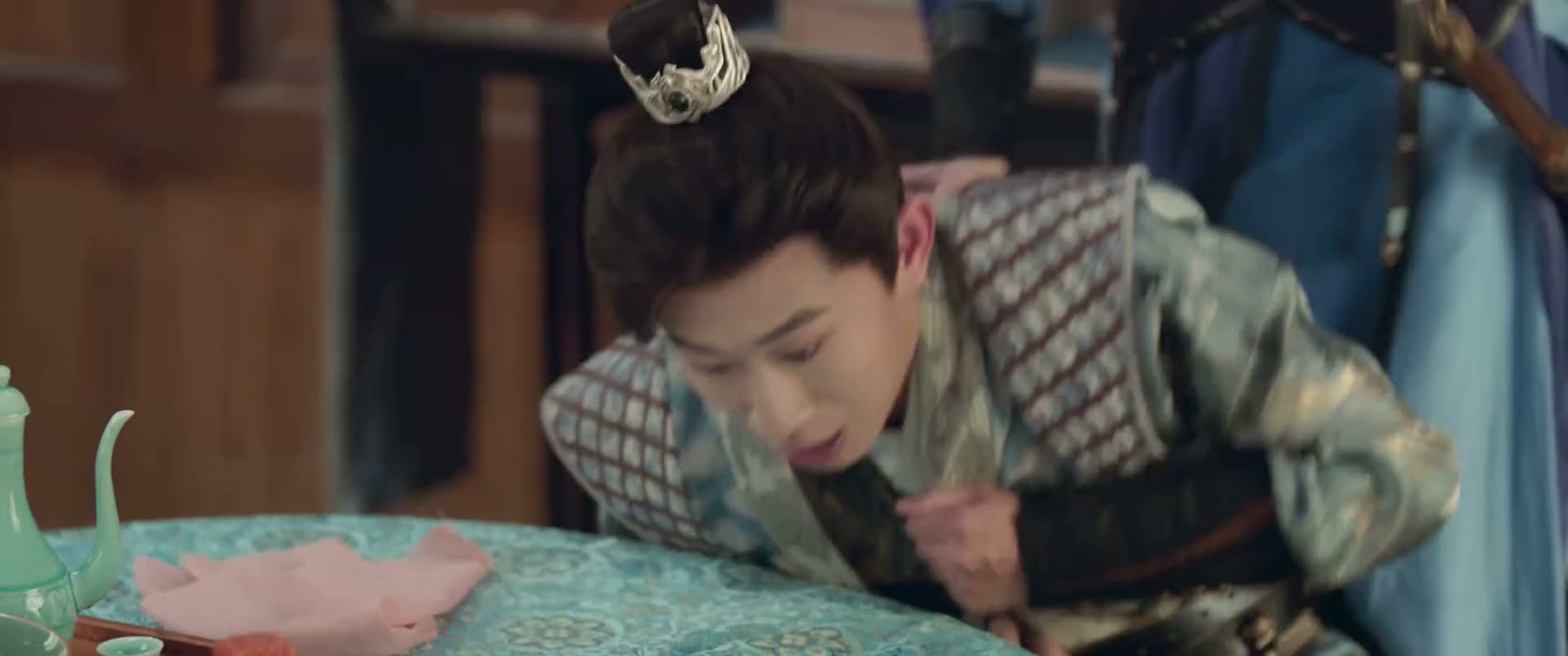
“He was trying to kill you.”
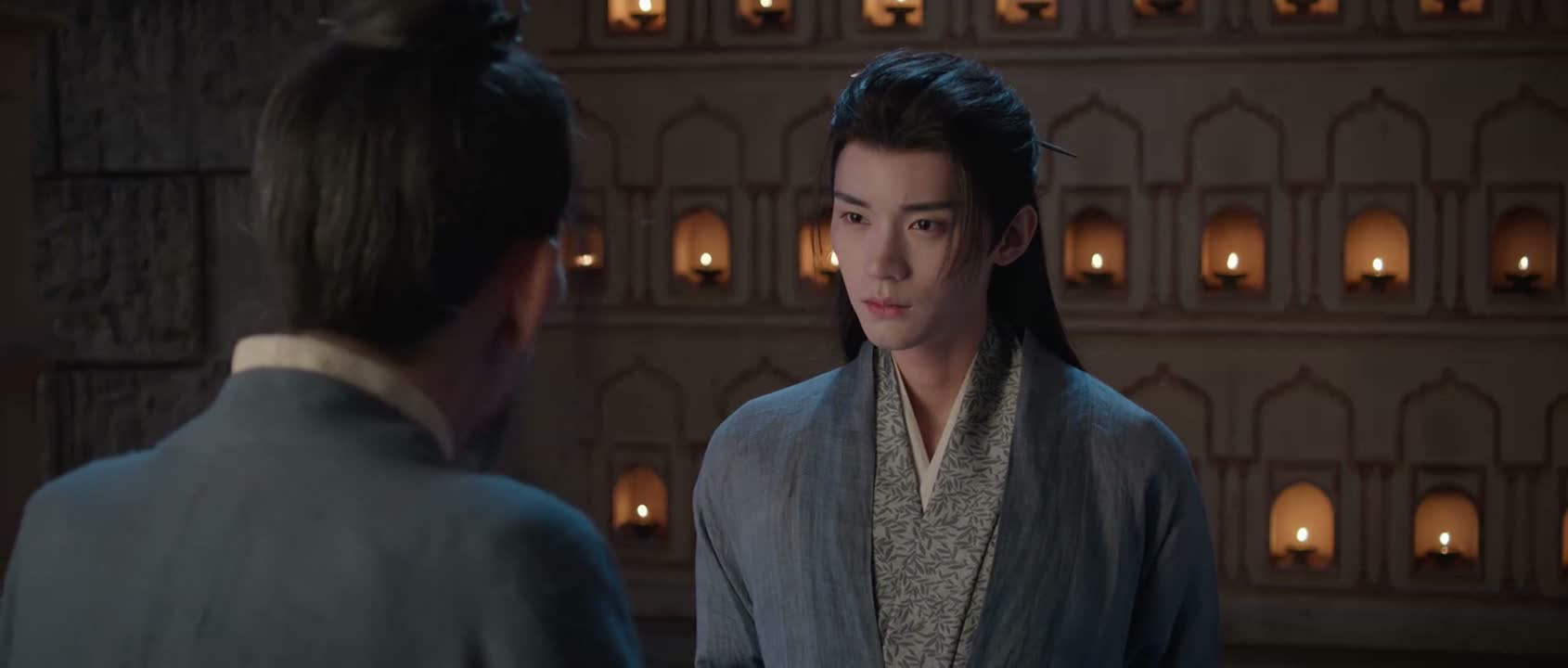
“He meant to kill him.”

“Isn't this just pushing people to their breaking point?”