不然小人怕是要犯下大错了
“I would've made a terrible mistake.”
THE DIALOGUE REEL
“If you hadn't caught that detail with the bamboo shoots, Your Highness,”
不然小人怕是要犯下大错了
“I would've made a terrible mistake.”
这也不能怪你
“It's not your fault.”
“Thank goodness you noticed, please do not punish me for my oversight.”
In imperial China, subordinates or servants referred to themselves as '小人' (lowly one) to emphasize extreme social disparity and submission before nobility.
LEARNING CHUNKS & PARTICLES
otherwise; if not
A common transitional conjunction used to introduce the negative hypothetical consequence of an alternative scenario.
to commit a grave error
A formal set phrase used when acknowledging serious blunders or catastrophic mistakes.
Indicates a projected change of state or realized consequence in the hypothetical scenario.
VOCABULARY & EXPRESSIONS
Parallel Spoken Cinema Scenes (语义近邻切片)

“I had no choice.”

“I cannot tell for now.”
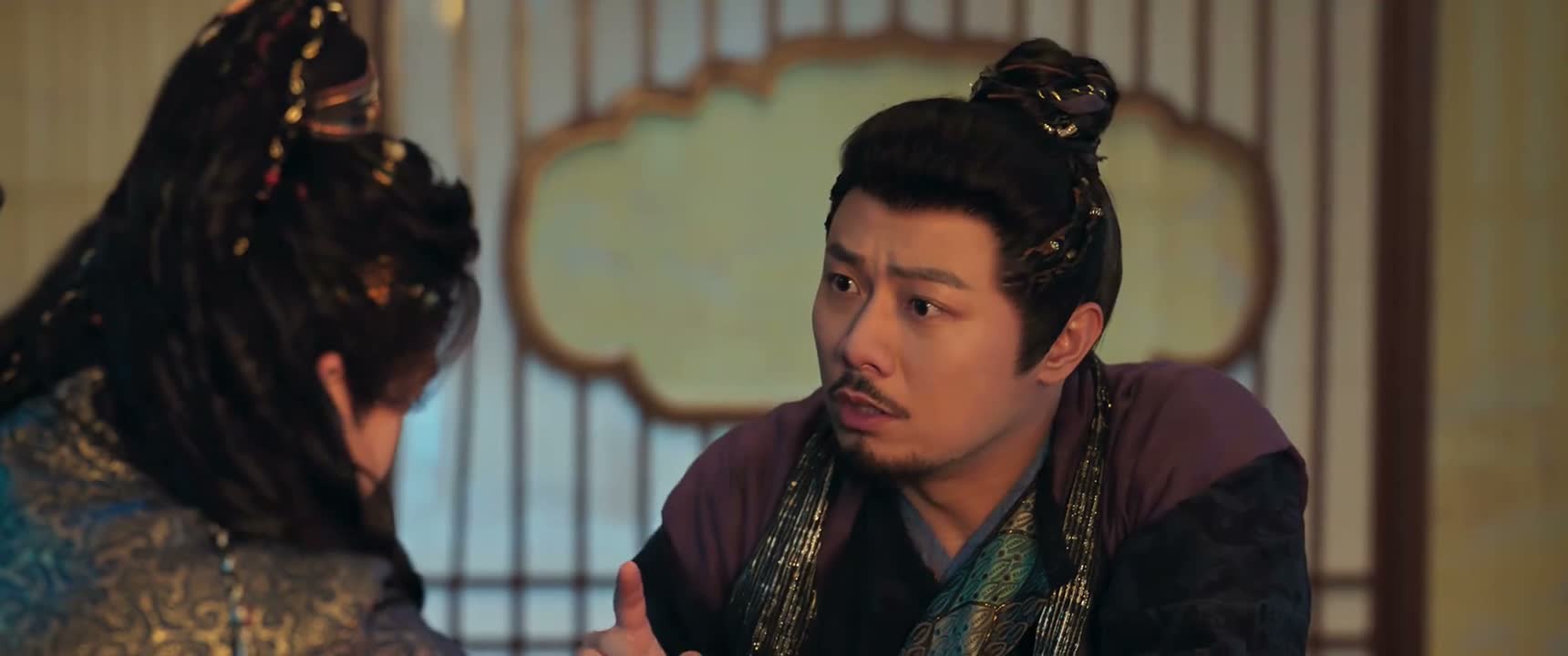
“I would say it is a great thing.”
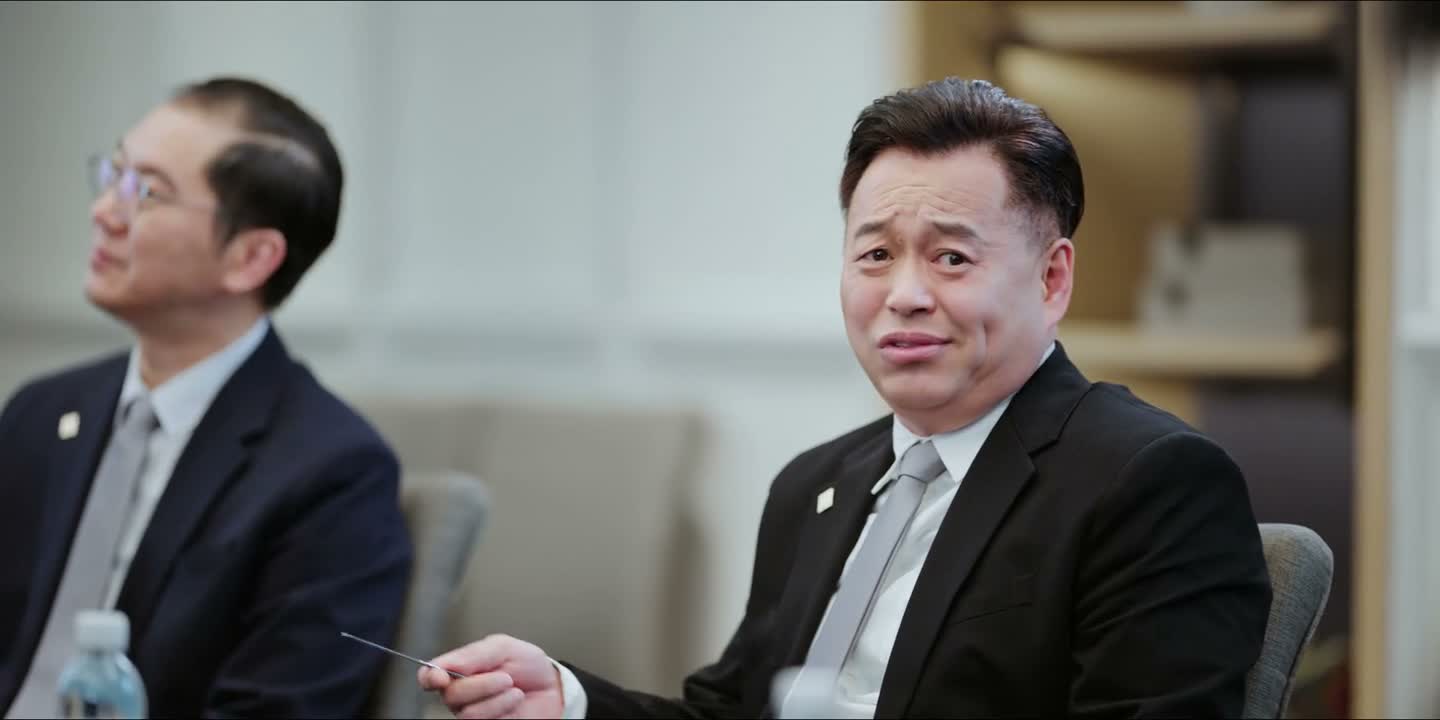
“It is inevitable to make mistakes at work.”
“One misstep could lead to a trap.”

“I don't know much.”