布局
bù júCommon spoken expression used by native Chinese speakers in daily life.
[Scene: 其他场景]
(4 clips) 00:02
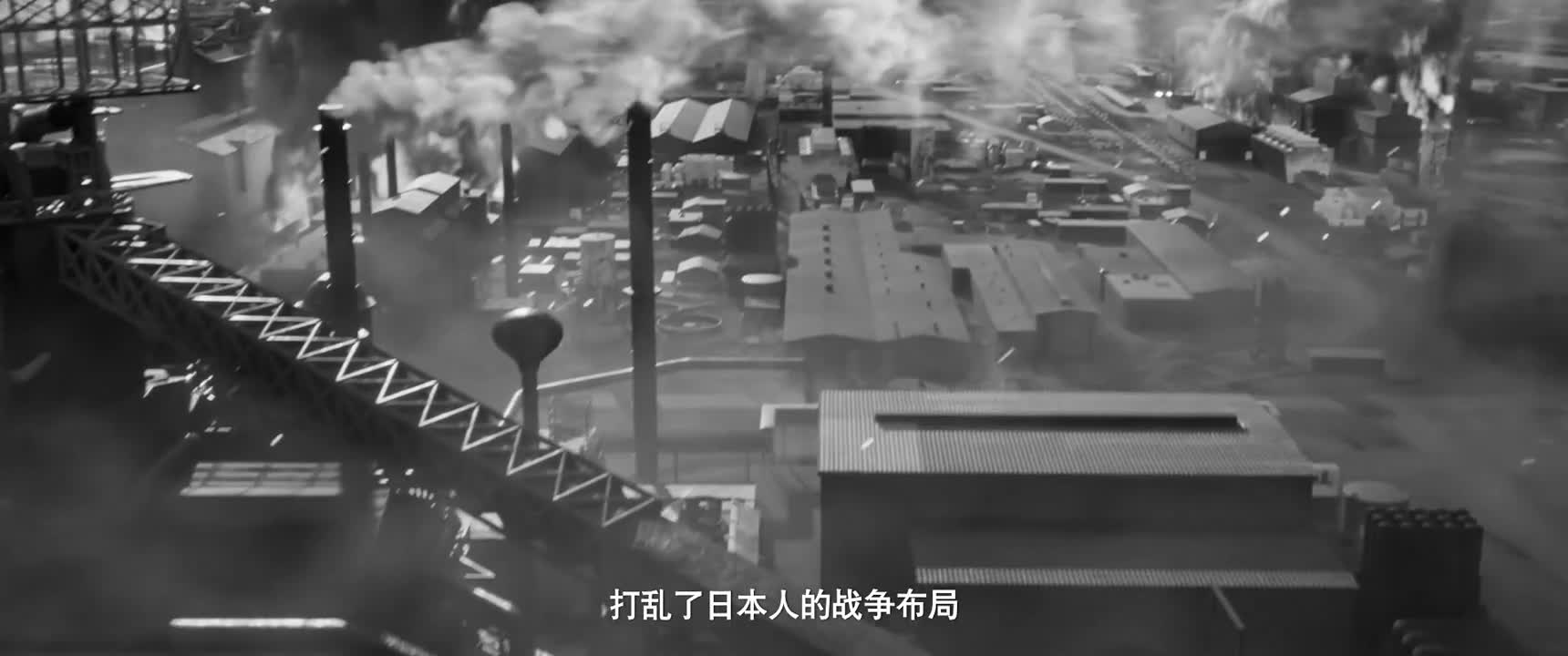 00:03
 00:02
 00:02
[Scene: 历史宫廷]
(3 clips) 00:02
 00:02
(后怕地发现) ── Previous context
“(Nanzhao had been laying its plans in the capital for a long time.)”
 00:03
(等到了蓬莱巷 兵分两路 外围前后四个巷口) ── Previous context
“At most, the third quarter of the Xu hour. Our plan was flawless.”
[Scene: 商务沟通]
(2 clips) 00:03
(我也打听了下) ── Previous context
“Years ago, Zhuling started laying the groundwork in the building materials sector,”
 00:03
(你跟将军的半年之期将近 要真走到了那一步) ── Previous context
“your plans in the ink industry will be completely ruined.”
[Scene: 社交聚会]
(1 clips) 00:02
[Scene: 职场工作]
(1 clips) 00:03
📌 是不是
→Nuance: 第三人称委婉推测设局
📌 是不是你
→Nuance: 第三人称委婉推测设局
📌 不是
→Nuance: 第三人称委婉推测设局
📌 来
→Nuance: 同指打球先讲究策略/套路
📌 想要
→Nuance: 同向近义词根配对: [故意 ↔ 蓄意]
📌 高人
→Nuance: 表述侧重高人指点,语境更委婉
📌 这个
→Nuance: 同向近义词根配对: [布局 ↔ 布置]
📌 挑拨
→Nuance: 表达有人故意谋害的同义推测
📌 设局
→Nuance: 核心语义与推测语气完全一致
📌 陷害
→Nuance: 推测口吻,指出有人设局害人