登门
dēng ménCommon spoken expression used by native Chinese speakers in daily life.
[Scene: 其他场景]
(2 clips) 00:03
(这客栈的门怎么都坏了?) ── Previous context
“Did some bandit barge in and start looting and killing?”
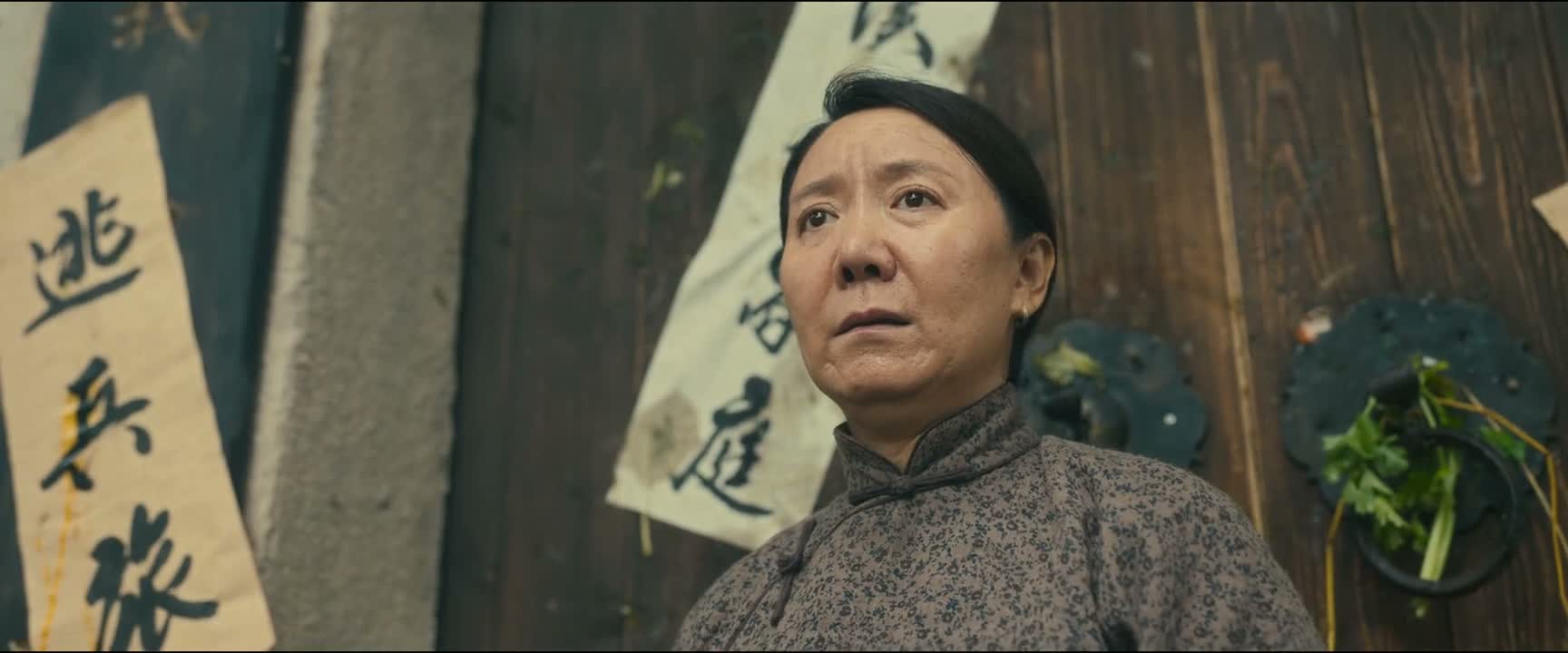 00:03
(谁扔的让谁来收拾) ── Previous context
“and apologize to me in person. It's clearly written in the newspaper. Great-grandfather,”
[Scene: 职场工作]
(2 clips) 00:02
 00:03
(是 说得没错 那就这样 等一下散会 我带着全队) ── Previous context
“to pay Mr. He a visit in person and give it to him. Thank you, sir!”
[Scene: 历史宫廷]
(1 clips) 00:03
(吓死人了 你为什么一个人 偷偷躲在这里喝酒啊) ── Previous context
“I have something to discuss with you. Let's go visit their residence tomorrow”
📌 你看看
→Nuance: 同向近义词根配对: [明日 ↔ 明儿]
📌 没人
→Nuance: 同向近义词根配对: [登门 ↔ 上门]
📌 不是
→Nuance: 同向近义词根配对: [抢劫 ↔ 抢夺]
📌 来了
→Nuance: 同向近义词根配对: [登门 ↔ 上门]
📌 本来
→Nuance: 同向近义词根配对: [明日 ↔ 明天]
📌 来
→Nuance: 登门拜见的客套变体表达
📌 来
→Nuance: 同向近义词根配对: [明日 ↔ 明天]
📌 你看
→Nuance: 同向近义词根配对: [明日 ↔ 明儿]
📌 商量个事
→Nuance: 同向近义词根配对: [我们 ↔ 咱们]
📌 约好了
→Nuance: 同向近义词根配对: [明日 ↔ 明天]