动的手
dòng de shǒuCommon spoken expression used by native Chinese speakers in daily life.
[Scene: 警匪刑侦]
(6 clips) 00:03
 00:02
 00:02
(- 你是不是还雇佣了其他人? - 没有) ── Previous context
“- Or did you do it yourself? - How could that be?”
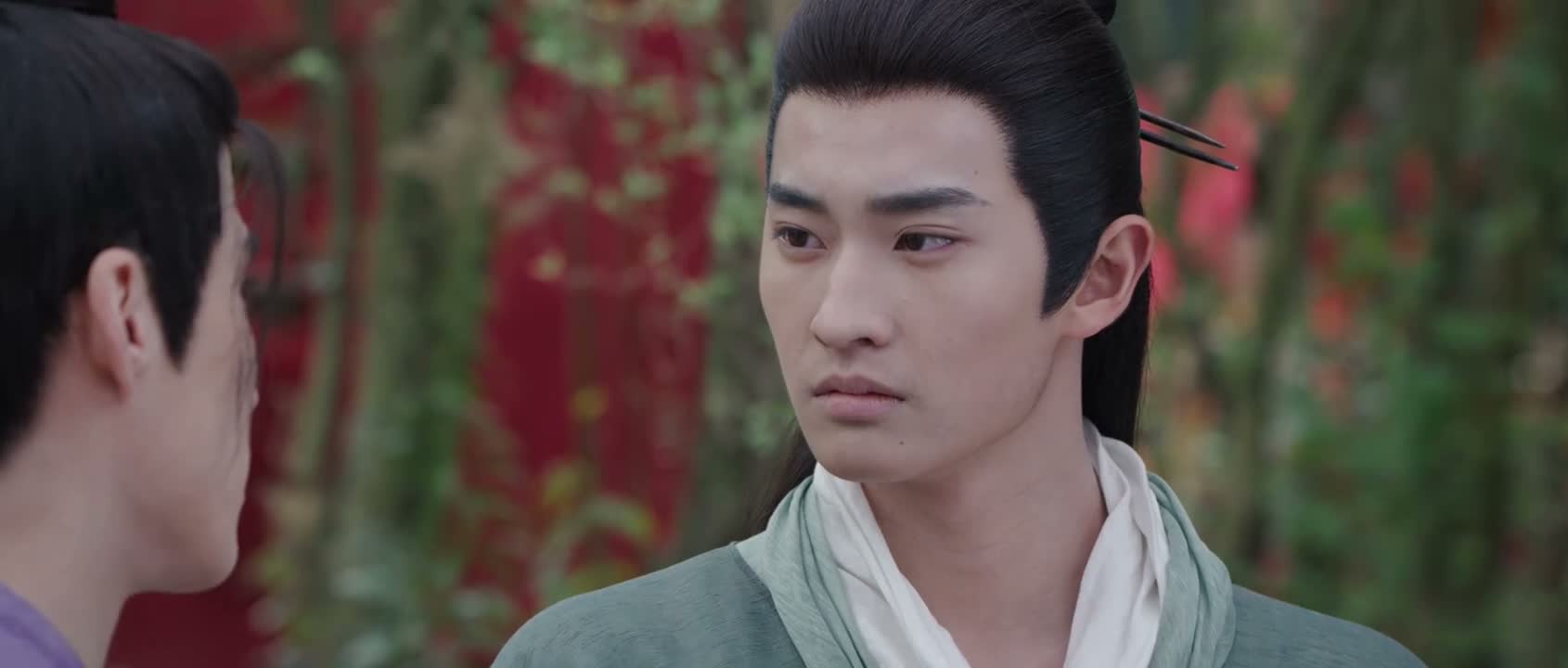 00:02
 00:02
(今年大典和之后大酺的舞龙舞狮 皆出自他之手) ── Previous context
“The hidden grooves under the dragon's eyes are your trick?”
 00:03
(现在这个什么花城大学 还有搏击专业呢) ── Previous context
“[Police Office Operating Procedures] They started it. No matter who threw the first punch,”
[Scene: 其他场景]
(5 clips) 00:03
(打坏了怎么办) ── Previous context
“He started it first. They all saw what happened. Can you testify?”
 00:02
 00:02
(再说了) ── Previous context
“no matter what, they shouldn't have laid a hand on him. Who hit first?”
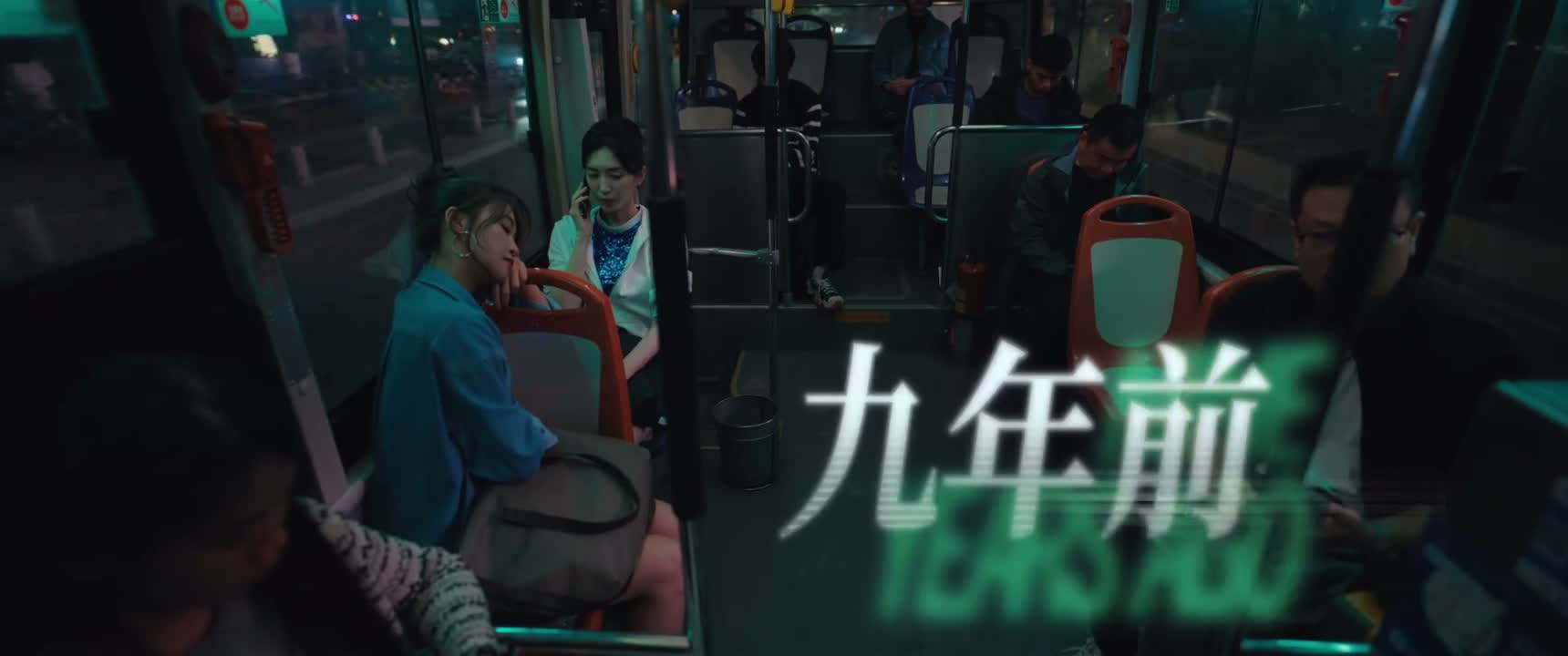 00:02
 00:02
[Scene: 其他场景]
(2 clips)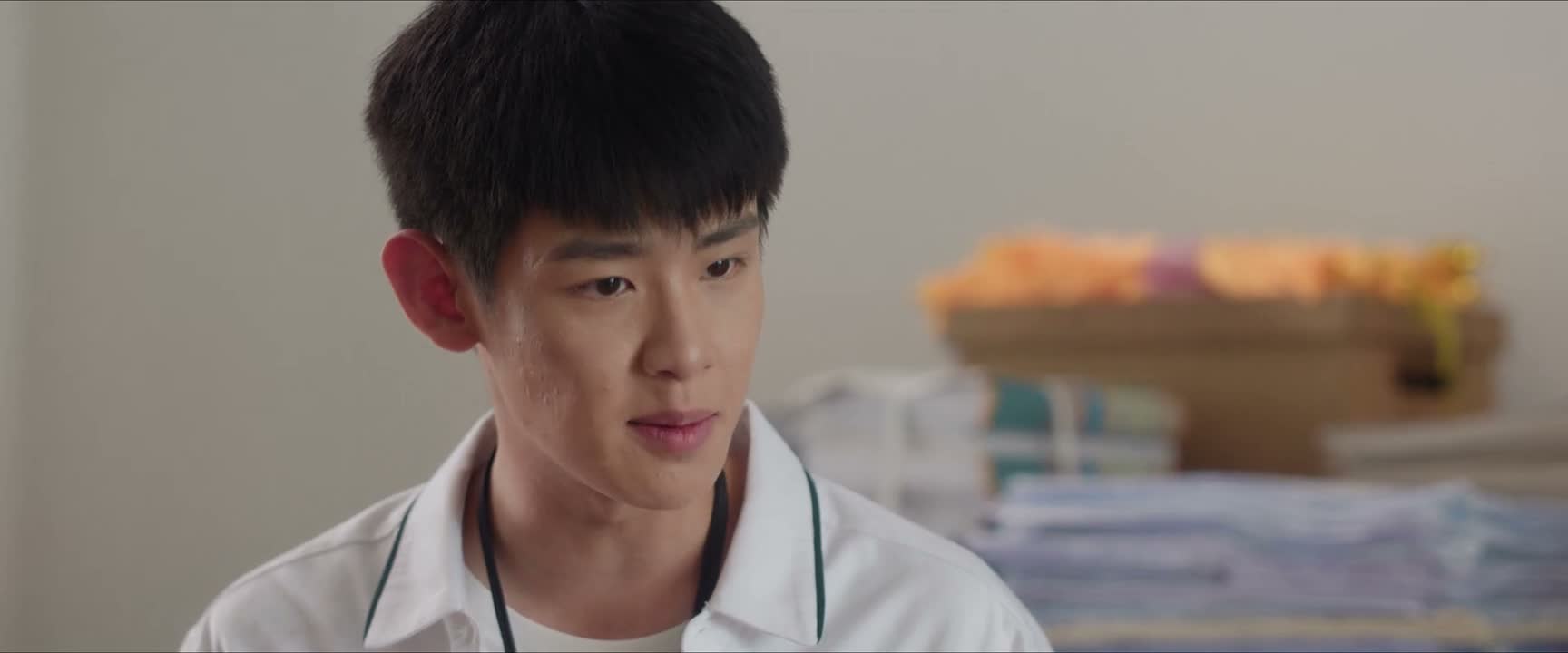 00:02
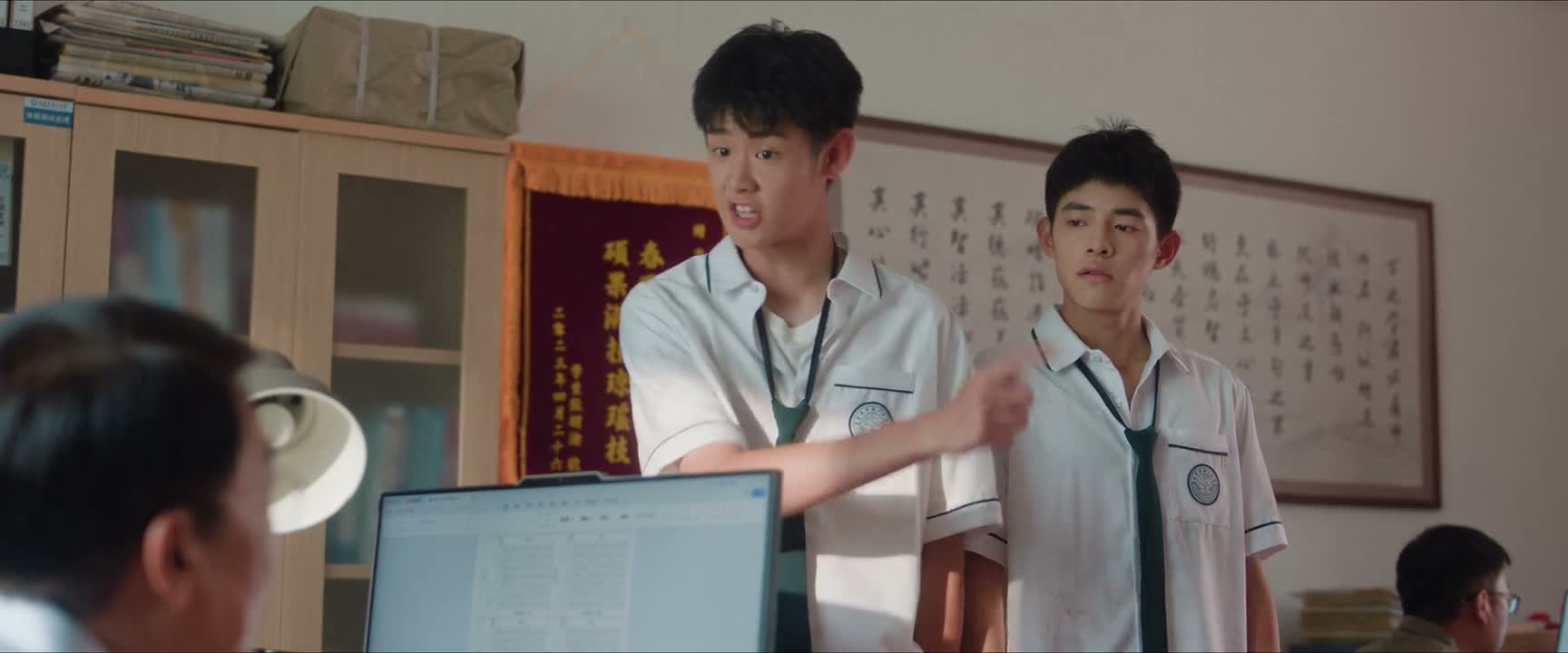 00:03
(才跟他们打在一起的 你说什么呢 主任) ── Previous context
“they were the ones who started it. I saw them bullying another student.”
[Scene: 其他场景]
(1 clips) 00:03
(因为我打架了呗) ── Previous context
“That's because that boy started it. He pulled your ponytail first.”
[Scene: 历史宫廷]
(1 clips) 00:03
[Scene: 职场工作]
(1 clips)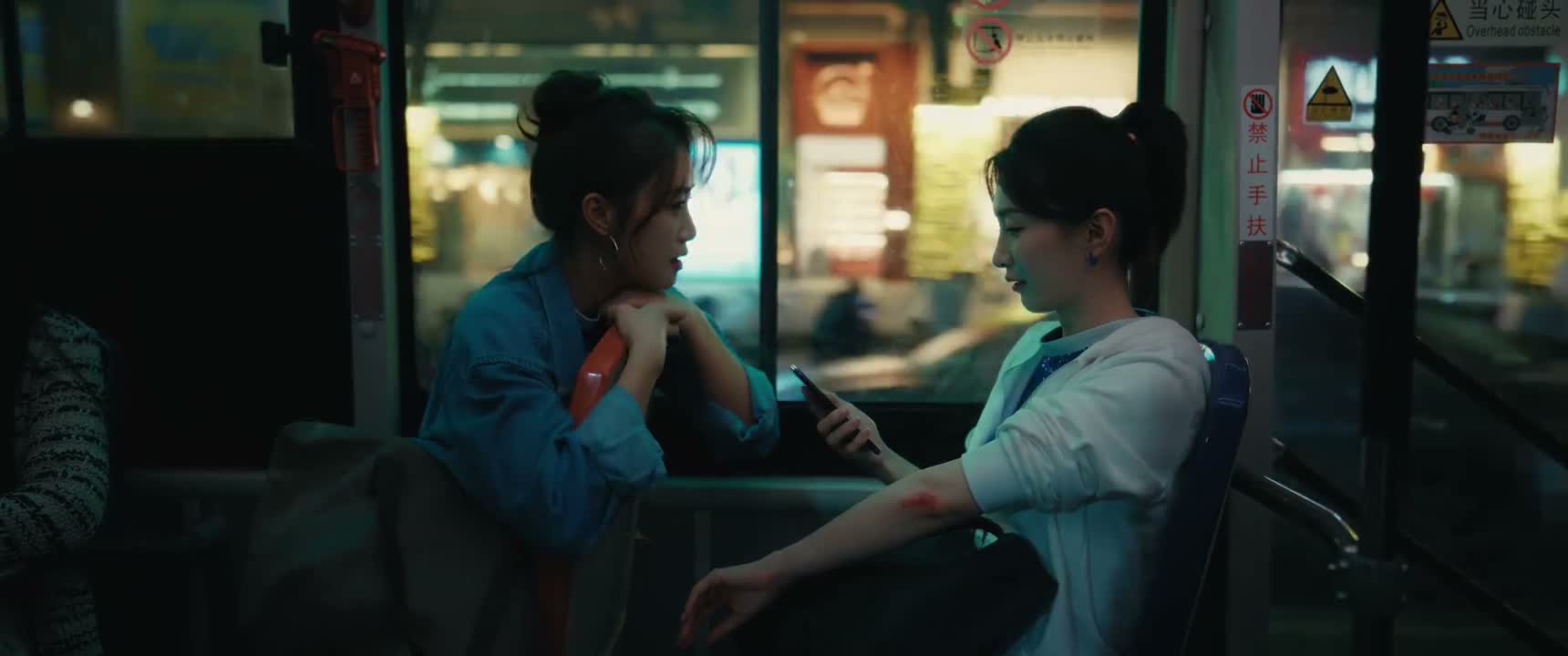 00:02
📌 都看见了
→Nuance: 同为指认对方动手并求证
📌 都看见了
→Nuance: 同样强调对方先动手且有人见证
📌 反正
→Nuance: 同向近义词根配对: [就是 ↔ 说是]
📌 不是
→Nuance: 核心意图均为承认先动手
⚡ 没事
→Contrast: 极性反义对撞: [不能 ↔ 可以]
⚡ 怎么就
→Contrast: 极性反义对撞: [能 ↔ 不能]
⚡ 不管
→Contrast: 淡化/否定追究谁先动手的意义
⚡ 反正
→Contrast: 直接反驳纠结谁先动手的辩白
⚡ 不是
→Contrast: 自认先动手与指责对方相反
⚡ 怎么样
→Contrast: 极性反义对撞: [能 ↔ 不能]