给我吧
gěi wǒ baCommon spoken expression used by native Chinese speakers in daily life.
[Scene: 社交聚会]
(7 clips) 00:03
(总感觉要给你求些什么 保你顺遂) ── Previous context
“You shouldn't believe these things. Give it back to me.”
 00:03
 00:03
(大不了 我假装粉丝 我让她给我签个名) ── Previous context
“I came all the way to her wedding. She has to give me that much, right?”
 00:02
 00:02
 00:02
 00:02
[Scene: 其他场景]
(6 clips) 00:02
 00:02
(我来 我来 给我) ── Previous context
“Don't move. It's too heavy for you. Give it to me.”
 00:03
(你搬去哪里了) ── Previous context
“Send me your address. I need to see you about something.”
 00:02
 00:03
(这不显得你俩白吗 特意为你俩晒的 行 会说话了) ── Previous context
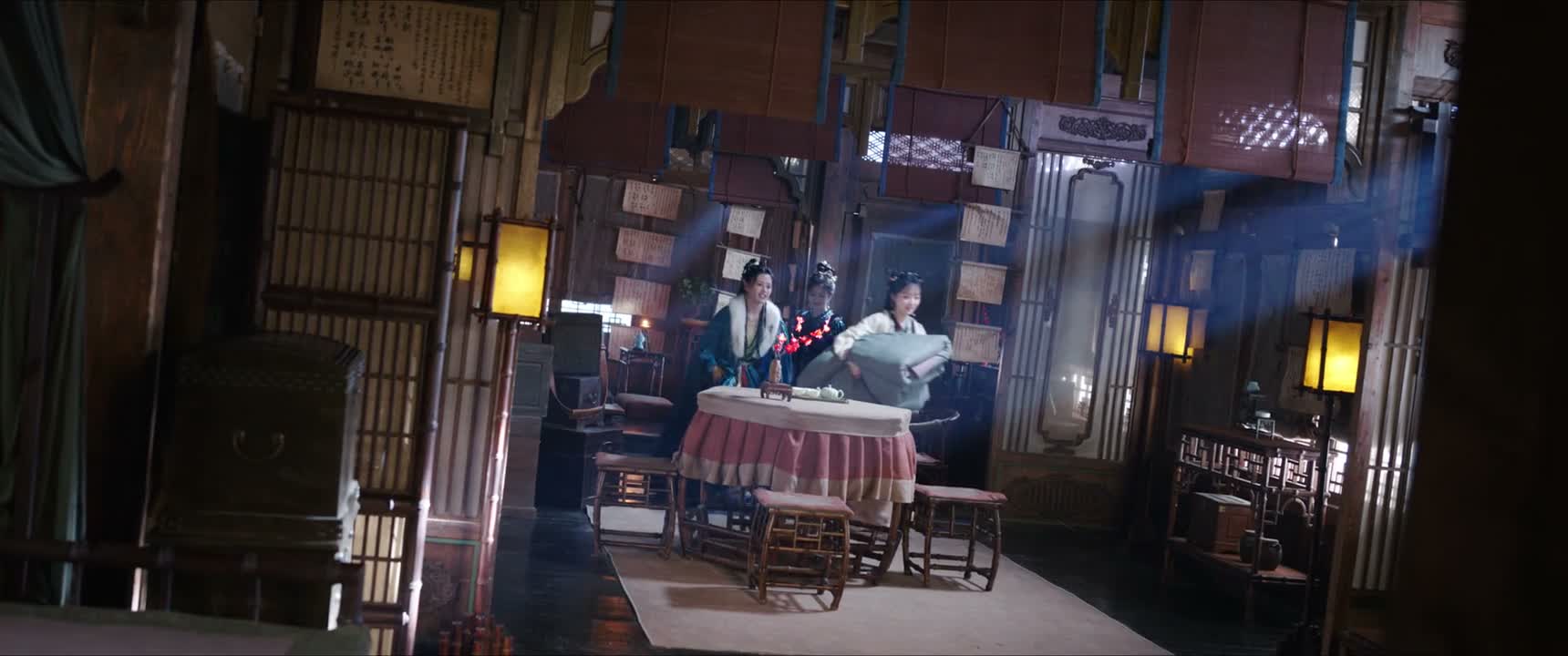
“-Give it to me. -It's okay. Come on, give it to me. It's okay.”
 00:02
[Scene: 职场工作]
(4 clips)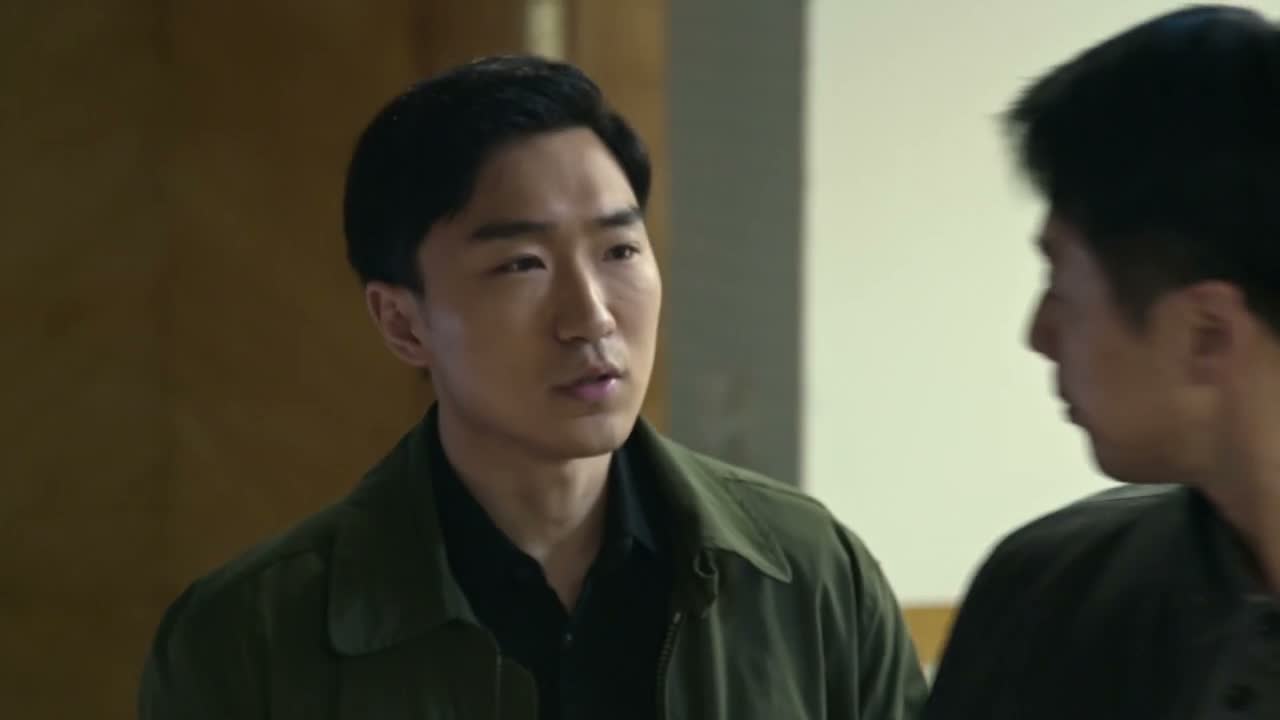 00:02
 00:03
(有书记您一句话) ── Previous context
“With your word, I feel relieved. Okay, no problem. Leave it to me.”
 00:02
 00:02
[Scene: 其他场景]
(3 clips) 00:02
 00:02
 00:02
(理应留在荆城) ── Previous context
“As for the matters outside the city, just leave them to me.”
[Scene: 家庭日常]
(3 clips) 00:03
(不用) ── Previous context
“You take Xiaofei to get a haircut. His hair is like grass. Give it to me.”
 00:03
(三哥) ── Previous context
“Leave this to me. You're finally back. I missed you so much.”
 00:03
[Scene: 历史宫廷]
(1 clips) 00:03
[Scene: 警匪刑侦]
(1 clips) 00:02
(那车懒得去修 孩子也不会出事 你在里边冷静一下) ── Previous context
“Leave it to me. Now the police are back...”
📌 没事
→Nuance: 索要物品并客套推拉意图一致
📌 放心
→Nuance: 更客气委婉的承诺与告别
📌 放心
→Nuance: 承诺交给自己负责,完全可互换
📌 算了
→Nuance: 退而求其次索要联络方式
📌 算了
→Nuance: 完全同句,意图一致
📌 放心吧
→Nuance: 更客气委婉的承诺与告别
📌 尝尝
→Nuance: 客套推拉交际意图与口吻一致
📌 回来了
→Nuance: 核心交际意图均为迎接对方归来