恭喜啊
gōng xǐ aCommon spoken expression used by native Chinese speakers in daily life.
[Scene: 职场工作]
(6 clips) 00:02
 00:02
 00:02
(好的) ── Previous context
“- Congrats, Mr. Dong. - Mr. Dong. - Congrats. - Mr. Dong.”
 00:02
(董总 恭喜啊 恭喜恭喜 记得请大家吃饭啊) ── Previous context
“Congrats, Mr. Dong. Congrats, Mr. Dong. Ever upward!”
 00:03
(董总 恭喜啊 董总 恭喜啊 董总 董总) ── Previous context
“- Congrats, Mr. Dong. - Congrats. Remember to treat us all to a meal.”
 00:02
(不陌生吧 没想到在这里见到你们了) ── Previous context
“Congrats on your promotion. It's all fate.”
[Scene: 社交聚会]
(5 clips) 00:02
(等的不就是这一天吗 对啊) ── Previous context
“Congrats. Congrats. ♪ Why don't we move forward and never look back? ♪ You finally made it!”
 00:02
 00:02
(一点心意呀) ── Previous context
“See that? Learn from him, alright? Congratulations!”
 00:03
(难怪京城来了许多贵客) ── Previous context
“Men and women together, all bets are off. Greetings! Congratulations!”
 00:02
[Scene: 历史宫廷]
(3 clips) 00:03
(段将军立下如此战功 圣上定会大力封赏) ── Previous context
“Congratulations. Congratulations. Thank you.”
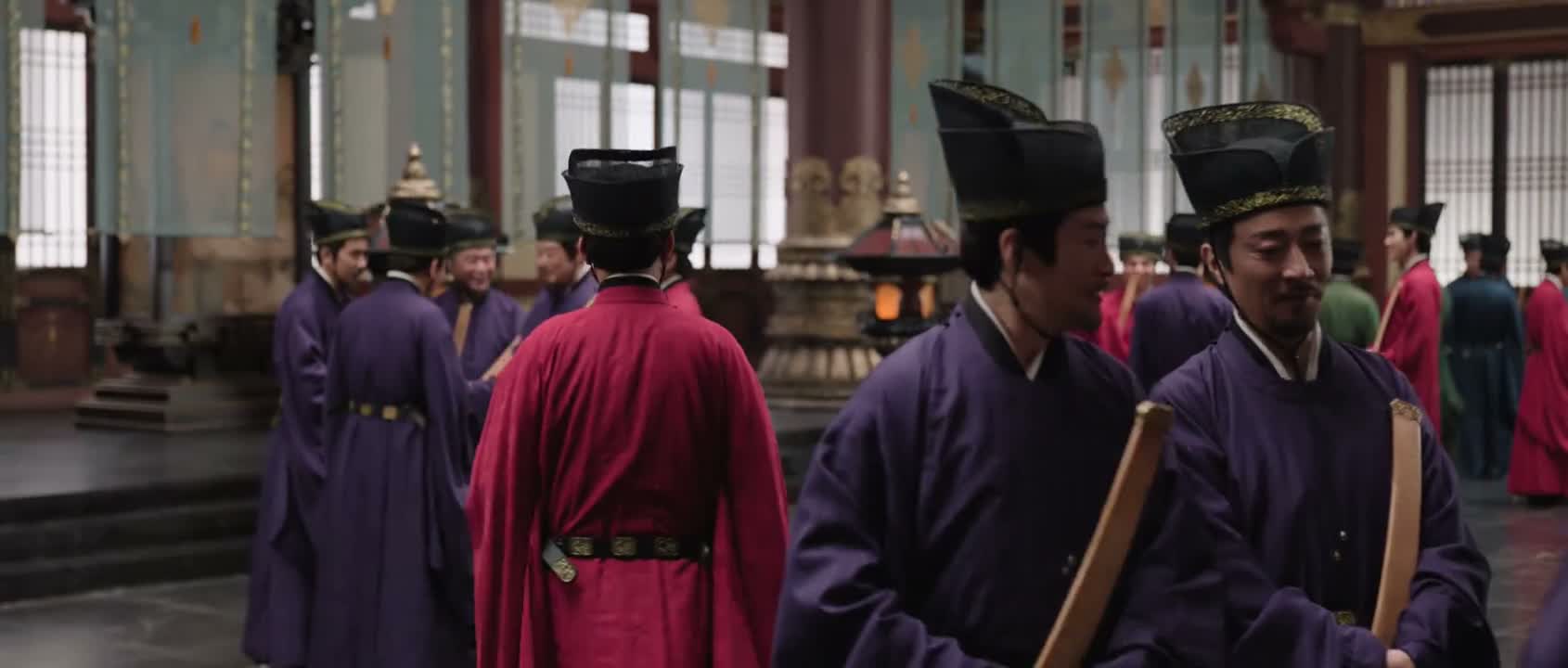 00:02
 00:02
(好 - 您里边请 - 里面请) ── Previous context
“- No need for formalities. - Congratulations! - Please come inside. - Congratulations!”
[Scene: 商务沟通]
(2 clips) 00:03
(你才可以不同意) ── Previous context
“Congratulations, Ms. Lin. (Chapter 63: Music and Dance Mystery) That was quite a deceptive move.”
 00:02
[Scene: 其他场景]
(1 clips) 00:03
[Scene: 餐饮美食]
(1 clips)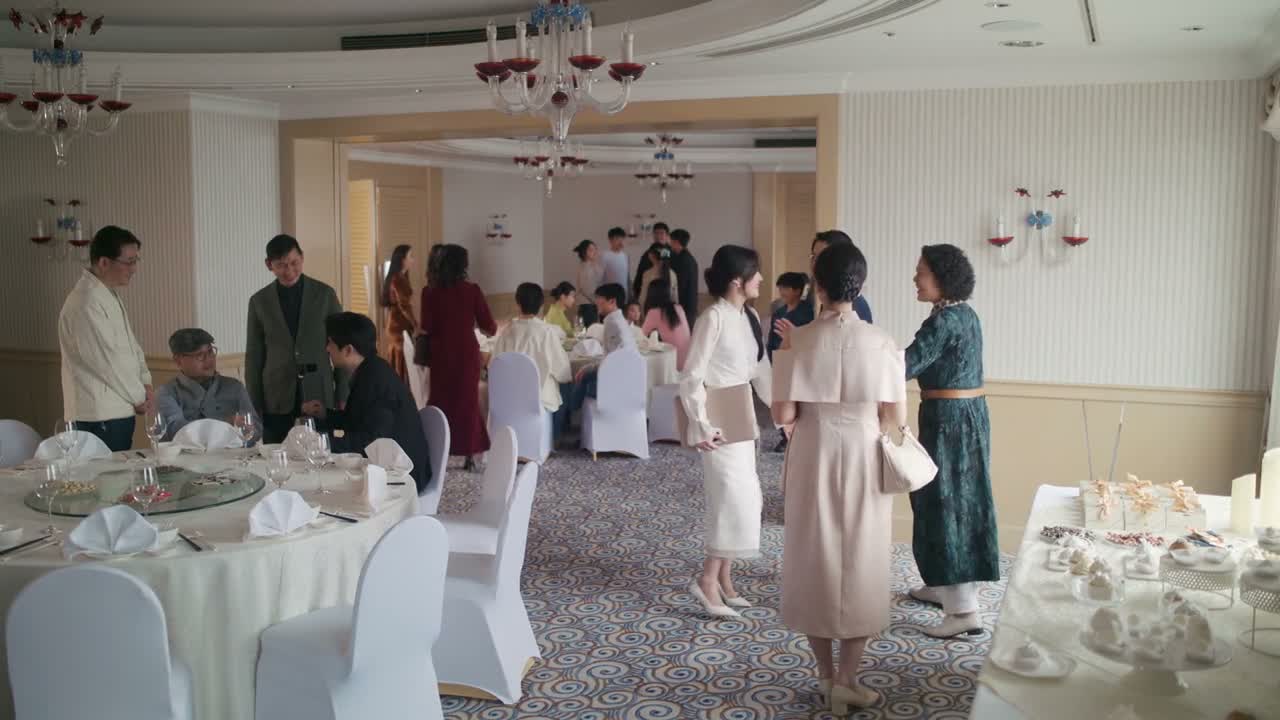 00:02
[Scene: 家庭日常]
(1 clips) 00:02
(小姨 你手机借我玩玩 我想上网 就知道缠着小姨) ── Previous context
“Congratulations. Thank you. Thank you. Thank you.”
📌 记得
→Nuance: 道贺后加请客,表达更随和
📌 记得
→Nuance: 同为祝贺董总升迁,意图一致
📌 对不起
→Nuance: 同向近义词根配对: [为什么 ↔ 怎么]
📌 什么时候
→Nuance: 核心皆为道贺与确认
📌 我先走了
→Nuance: 同向近义词根配对: [谢谢 ↔ 多谢]
📌 是不是
→Nuance: 核心交际意图皆为祝贺他人
📌 祝贺你
→Nuance: 同向近义词根配对: [祝贺 ↔ 恭喜]
📌 电话
→Nuance: 同向近义词根配对: [为什么 ↔ 怎么]
📌 走了
→Nuance: 同向近义词根配对: [谢谢 ↔ 多谢]