光凭
guāng píngCommon spoken expression used by native Chinese speakers in daily life.
[Scene: 警匪刑侦]
(4 clips) 00:02
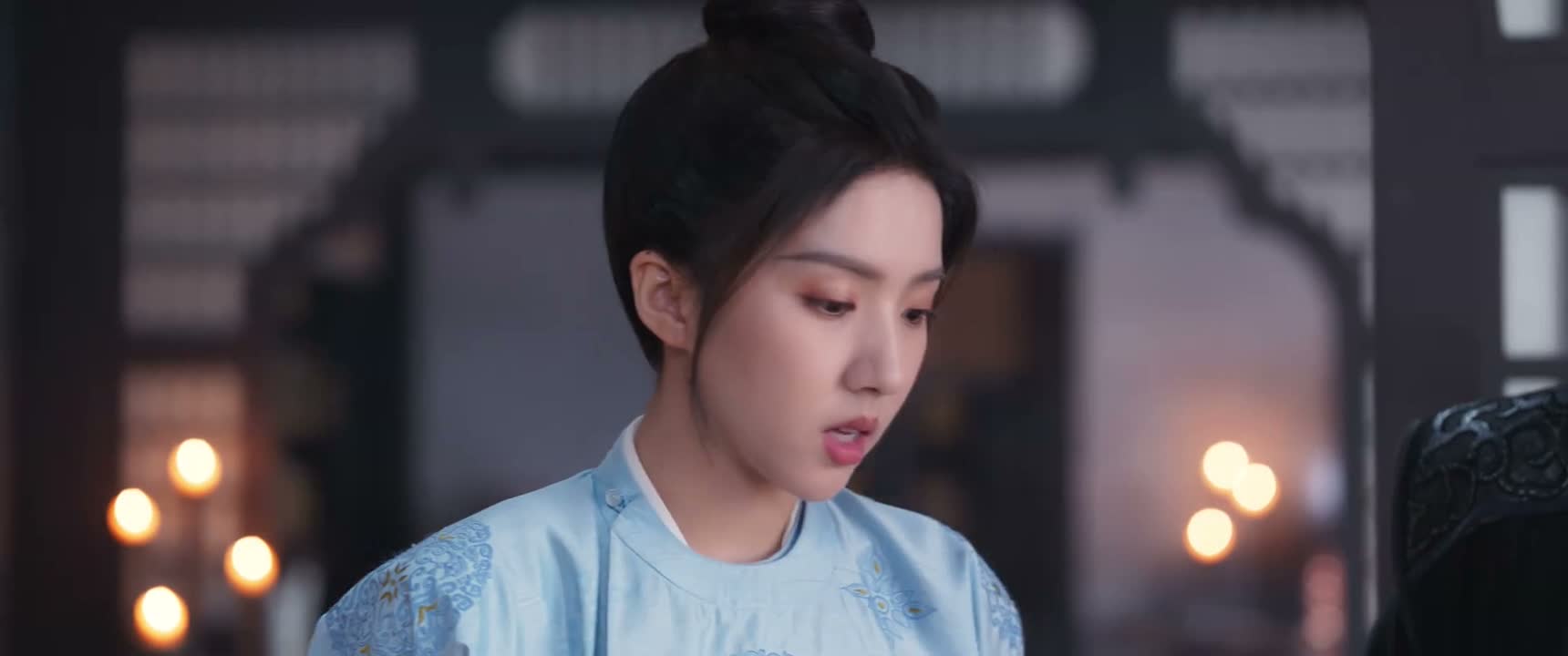 00:02
 00:03
(直接让警察抓他呀 对) ── Previous context
“But a mere habitual gesture isn't enough to serve as evidence.”
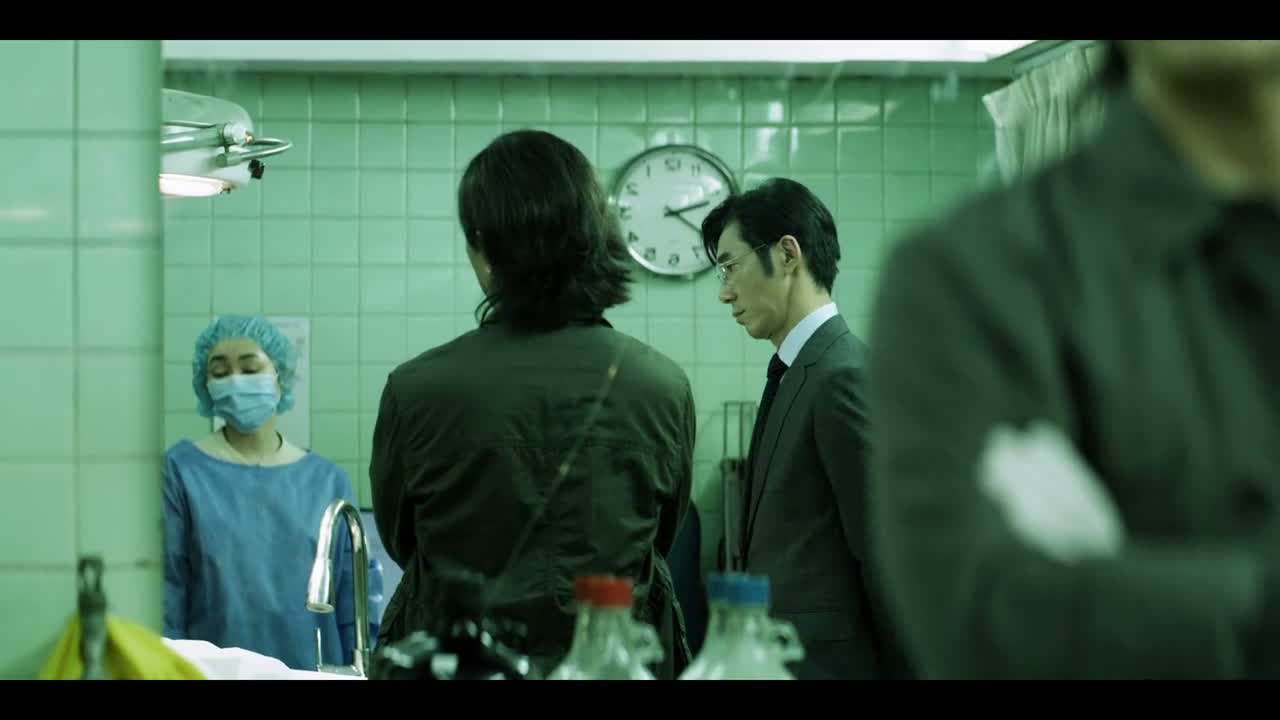 00:02
(这么看来) ── Previous context
“It seems to me that it would be hard for a woman to commit this crime.”
[Scene: 其他场景]
(1 clips) 00:03
(也是不可计数的) ── Previous context
[Scene: 家庭日常]
(1 clips) 00:02
(那又如何呢) ── Previous context
“In judgment and in household governance one cannot rely on mere supposition.”
[Scene: 历史宫廷]
(1 clips) 00:02
📌 不可能
→Nuance: 核心语义一致,表达单人力量有限
📌 我知道
→Nuance: 核心意图一致,均指此不足为据
📌 能做到
→Nuance: 核心语义一致,表达单人力量有限
⚡ 相信
→Contrast: 极性反义对撞: [大家 ↔ 个人]
⚡ 挺身而出
→Contrast: 极性反义对撞: [能 ↔ 不能]
⚡ 一定要
→Contrast: 极性反义对撞: [大家 ↔ 个人]
⚡ 相信我
→Contrast: 极性反义对撞: [大家 ↔ 个人]
⚡ 不相信
→Contrast: 极性反义对撞: [大家 ↔ 个人]
⚡ 有可能
→Contrast: 限定嫌疑人与范围扩大相反
⚡ 光宗耀祖
→Contrast: 极性反义对撞: [能 ↔ 不能]