还行吧
hái xíng baCommon spoken expression used by native Chinese speakers in daily life.
[Scene: 其他场景]
(3 clips) 00:03
(阿布(大哥)) ── Previous context
“How's business? Is it alright? Is business okay? Pretty good.”
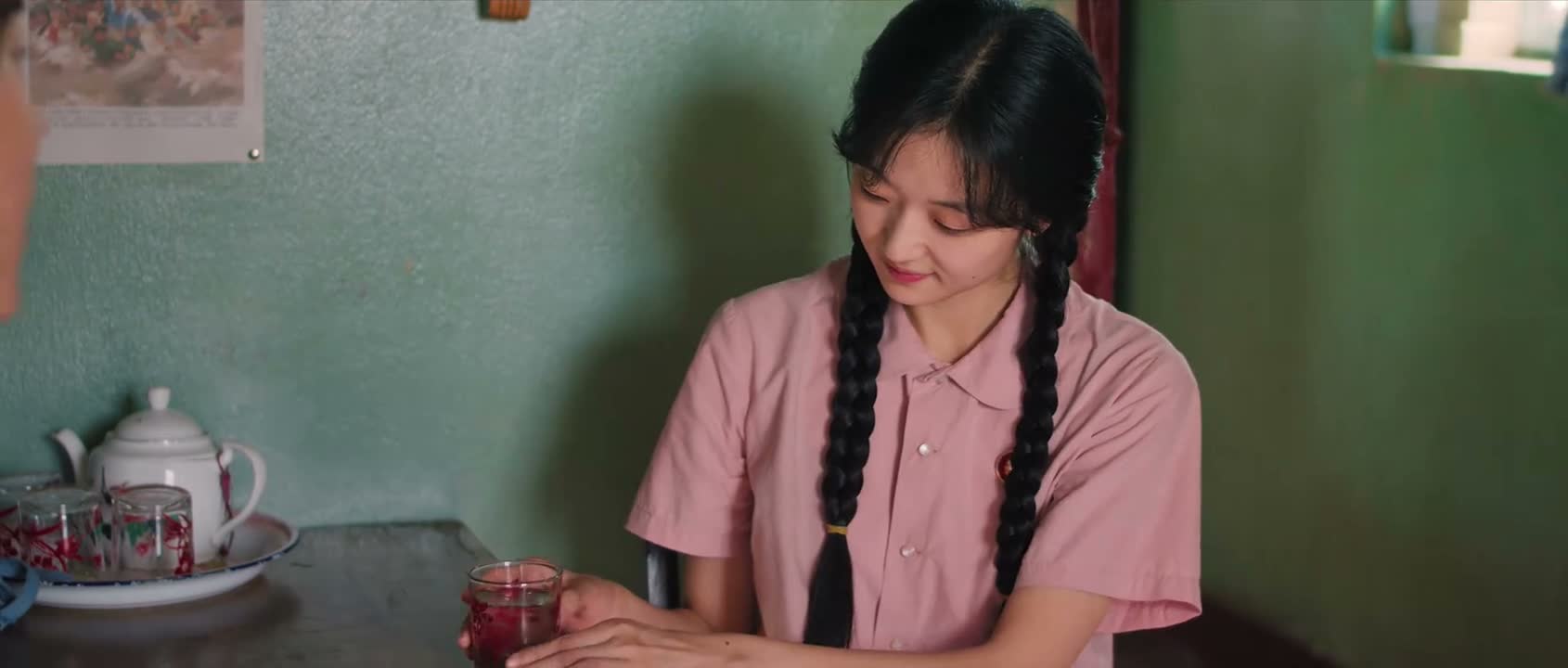 00:02
 00:03
(万福哥 你这豆腐丝切得真细呀) ── Previous context
“It's okay. Right, Man-bok. The steamed buns you made this morning were delicious.”
[Scene: 职场工作]
(2 clips) 00:02
(这个人平常看起来一般 关键时候) ── Previous context
“he's not bad. This is the first time you've praised him.”
 00:02
[Scene: 家庭日常]
(1 clips) 00:03
(这一点啊 你跟你爸真是一模一样 从眼神到语气) ── Previous context
“You don't have your own ideas at all. You always say not too bad.”
[Scene: 其他场景]
(1 clips) 00:03
(能治好吗) ── Previous context
“I think so. His cancer was found early. The situation is optimistic.”
[Scene: 警匪刑侦]
(1 clips) 00:03
[Scene: 社交聚会]
(1 clips) 00:03
(我以为你收到消息过来看我了 我在这开产品推介会) ── Previous context
“I saw your WeChat Moments. Good. You business is booming. It's alright.”
📌 反正
→Nuance: 句式意图同为“尚可+解释原因”
📌 怎么样
→Nuance: 询问生意状况的不同应答方式
📌 怎么样
→Nuance: 询问感受意图一致,句式高度相仿
📌 挺好的
→Nuance: 问答结构及表达意图完全相同
📌 还好吧
→Nuance: 问答结构及表达意图完全相同
⚡ 好吃
→Contrast: 对包子好不好吃态度相反
⚡ 是不是
→Contrast: 由毫无主见转为认为其已有想法
⚡ 不是
→Contrast: 由毫无主见转为认为其已有想法
⚡ 想法
→Contrast: 由毫无主见转为认为其已有想法
⚡ 有问题
→Contrast: 对包子好不好吃态度相反