看不清
kàn bù qīngCommon spoken expression used by native Chinese speakers in daily life.
[Scene: 警匪刑侦]
(6 clips) 00:03
(她被人强奸了) ── Previous context
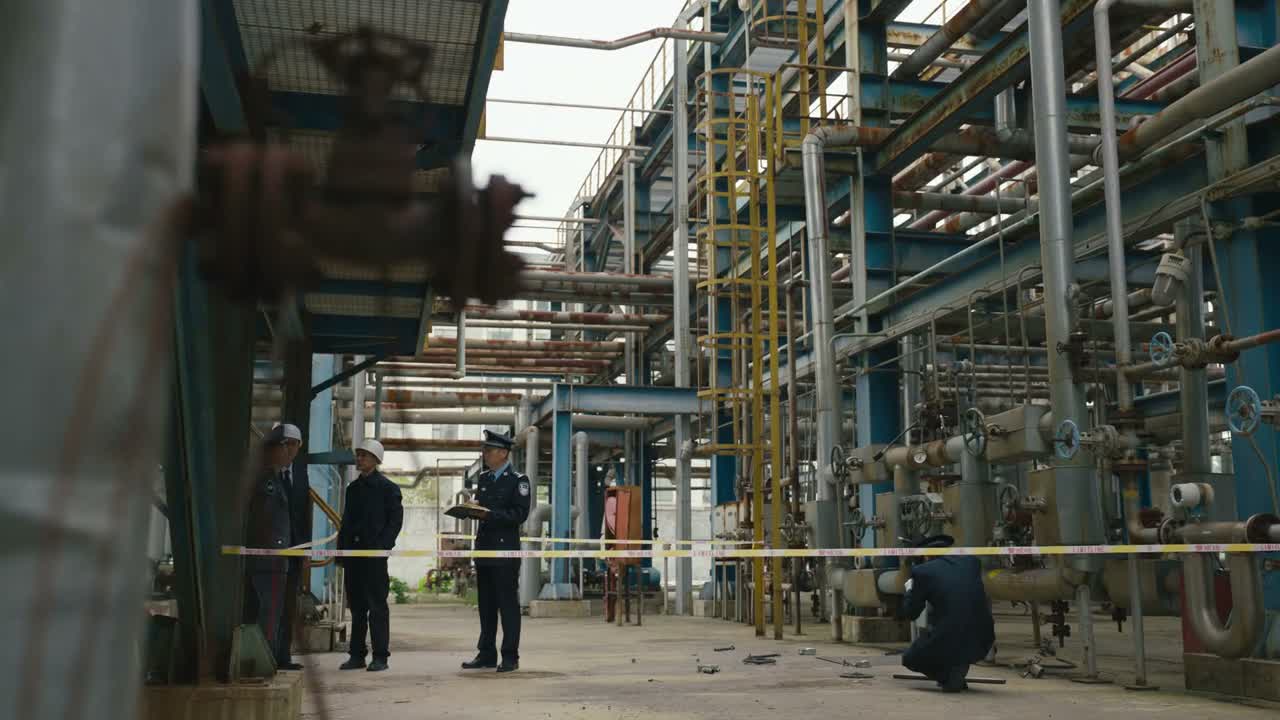
“It was pitch black in that alley. Tong couldn't see anything clearly,”
 00:02
 00:02
(进来吧) ── Previous context
“It's too dark to see clearly. Do we need to enter the shop?”
 00:02
 00:02
 00:03
(行 王桐 分析得越来越到位了 行动吧) ── Previous context
“This is way too blurry. I can't make out the face at all.”
[Scene: 其他场景]
(2 clips) 00:03
(不是) ── Previous context
“What's going on? Why can't I even see such big words clearly?”
 00:02
[Scene: 社交聚会]
(2 clips)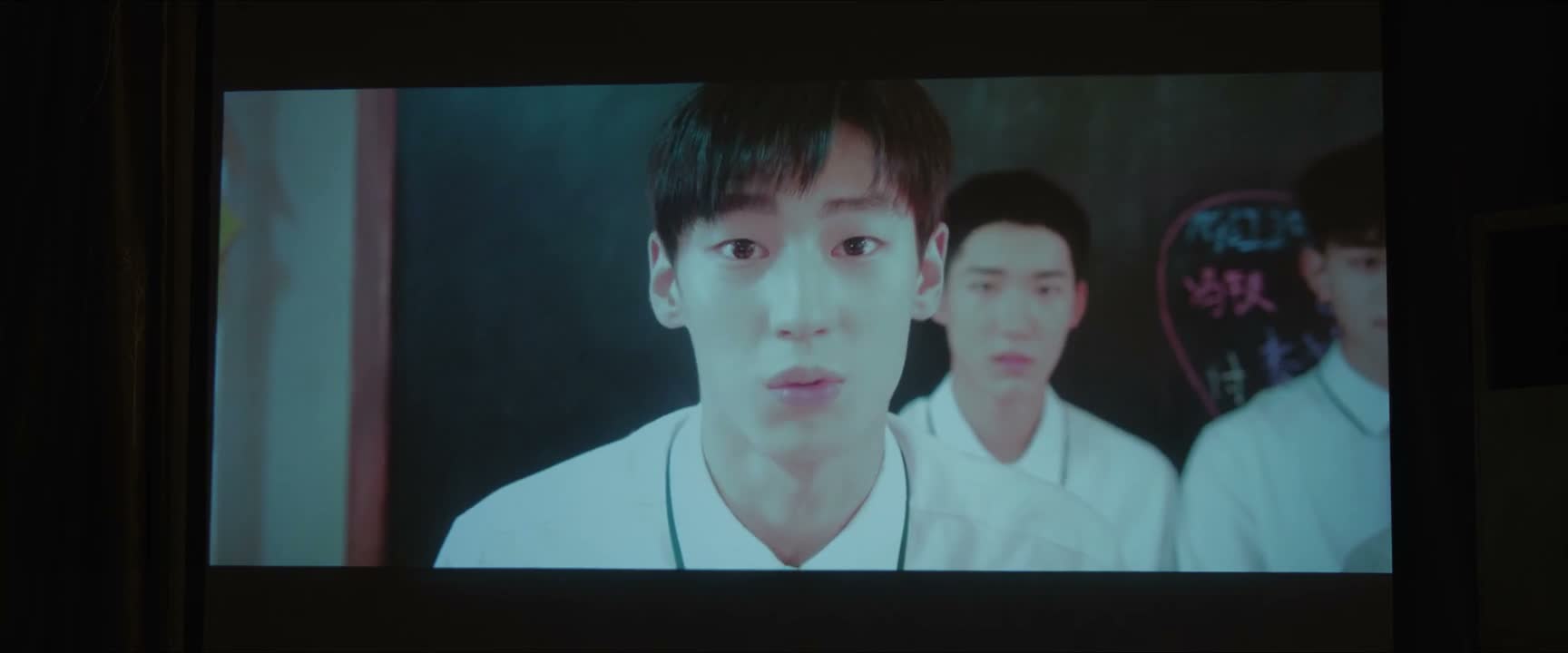 00:02
(就比方说 在一片黑漆漆的路面下) ── Previous context
“I was just spinning in circles and couldn't see anything clearly.”
 00:02
[Scene: 出行交通]
(2 clips) 00:03
(- 可以走了吗? - 雾怎么这么大呀?) ── Previous context
“We can't even see the road. Exactly. My wife fell.”
 00:02
(虾仔 你看这船都钙化了) ── Previous context
“[Inside the Ming Dynasty Shipwreck] The reef and the hull are stuck together. We can barely see anything.”
[Scene: 其他场景]
(1 clips)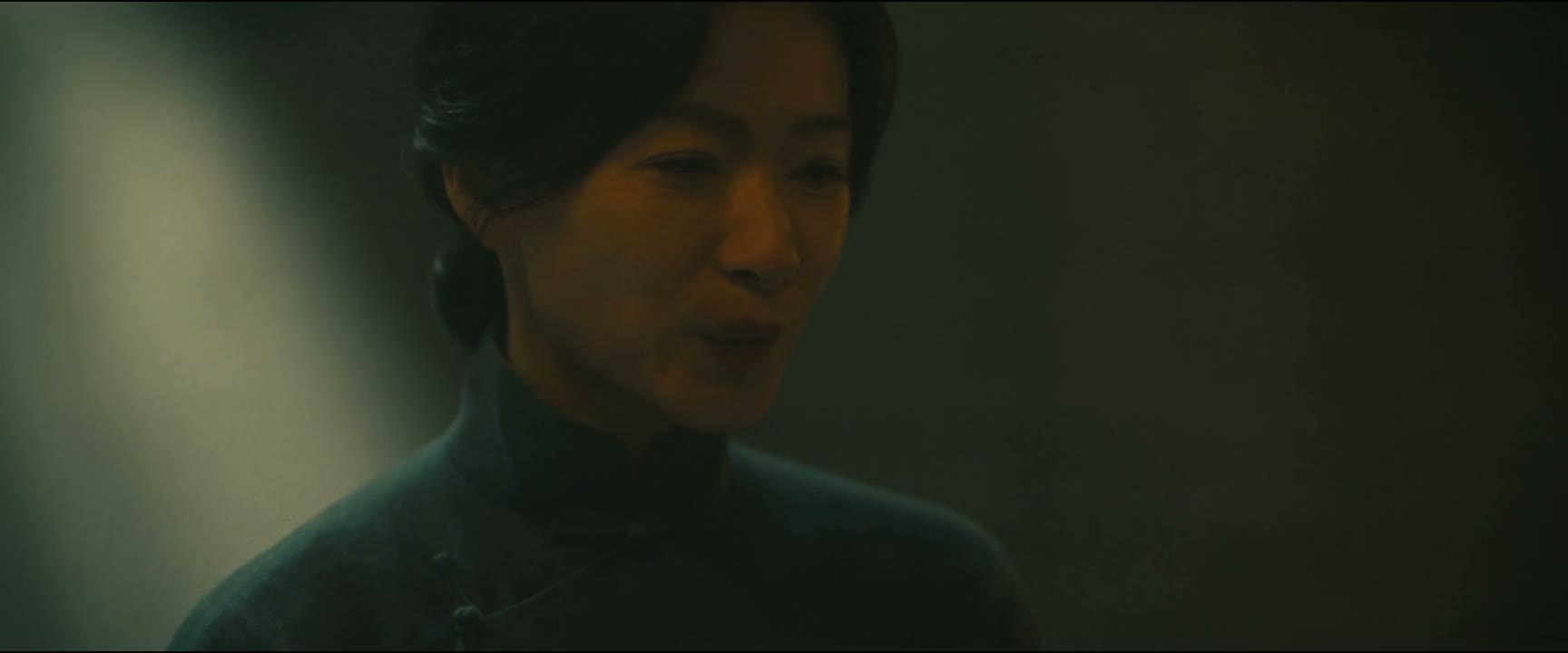 00:03
(你让他念一遍给我听) ── Previous context
“My father's eyesight is failing. He can't see clearly.”
[Scene: 家庭日常]
(1 clips) 00:02
[Scene: 历史宫廷]
(1 clips) 00:03
📌 行行行
→Nuance: 同指视力或视觉上看不清楚
📌 不知道
→Nuance: 同向近义词根配对: [知道 ↔ 清楚]
📌 怎么回事
→Nuance: 共享核心口语谓词: [不清楚]
📌 没见过
→Nuance: 同指年老眼花看不清,意图一致
📌 不清楚
→Nuance: 核心语义完全相同可互换
📌 都不知道
→Nuance: 同向近义词根配对: [知道 ↔ 清楚]
📌 你说
→Nuance: 同义表达年老视力差
📌 着急
→Nuance: 同指因匆忙仓促未看清