可疑
kě yíCommon spoken expression used by native Chinese speakers in daily life.
[Scene: 警匪刑侦]
(13 clips) 00:02
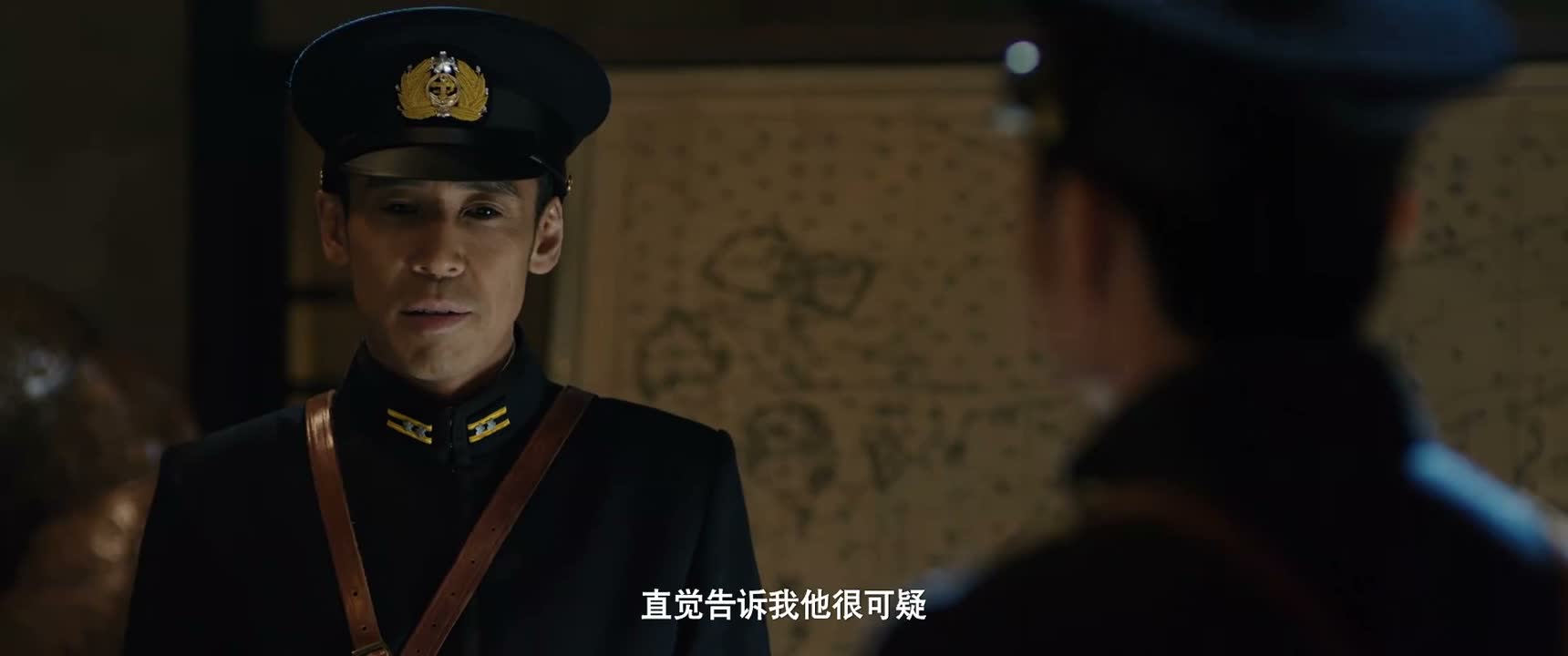 00:02
 00:02
 00:02
“Did you see any suspicious person?”
 00:02
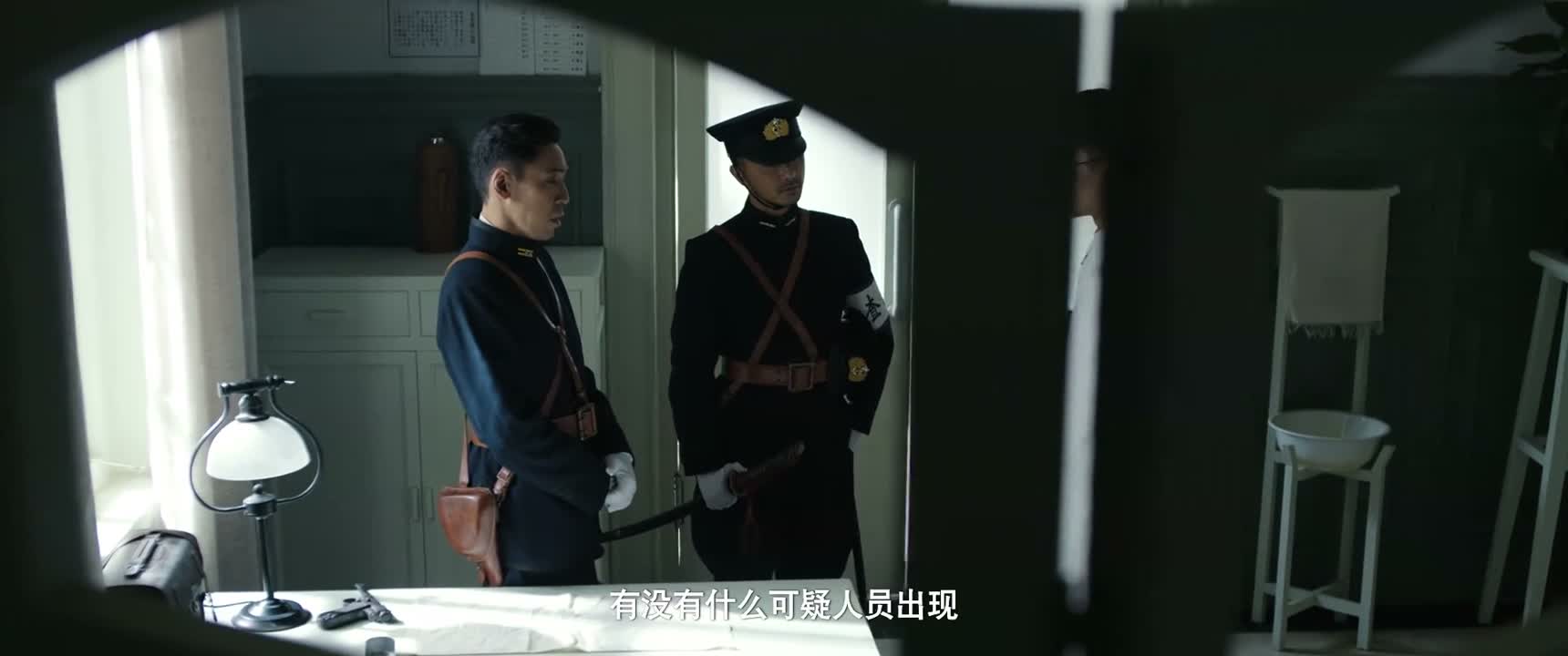 00:02
 00:02
 00:03
(荒谬中带着一点点的合理) ── Previous context
“Reasonable on the surface, but still faintly suspicious.”
 00:03
(他们这船确实有破绽 千真万确) ── Previous context
“Not only were the freighters acting sneaky, but the whole ship was also fishy.”
 00:02
 00:02
 00:03
(暂时没有问题 行 待会要不我先上你们海警船) ── Previous context
“We can search nearby and see if there are any suspicious small boats.”
 00:03
(行进的路线搜寻 在城郊八里亭) ── Previous context
“we found these three were behaving suspiciously. Upon investigation,”
[Scene: 其他场景]
(4 clips) 00:03
(头疼) ── Previous context
“Why does everyone seem innocent and suspicious at the same time?”
 00:02
(你们几个 带上武器) ── Previous context
“Search around for any suspicious individuals. [Flower-Crowned General's Mansion]”
 00:03
(- 快走 - 好) ── Previous context
“Your Ladyship. - Did you see anyone suspicious? - No.”
 00:02
(无论我怎么争辩 他们都不相信) ── Previous context
“and they said my attempts to defend myself only made me look even more suspicious.”
[Scene: 历史宫廷]
(4 clips) 00:02
 00:03
(还是被您给看出来了 那明人不说暗话) ── Previous context
“Has anyone of a suspicious nature been seen recently?”
 00:02
 00:02
[Scene: 社交聚会]
(1 clips) 00:02
📌 放心
→Nuance: 侧重表达可疑带来的不放心
📌 就知道
→Nuance: 口语化变体,表达对男性的怀疑
📌 就知道
→Nuance: 直觉怀疑对方行为不轨
📌 我觉得
→Nuance: 补充直觉依据的同义表达
📌 我觉得
→Nuance: 核心交际意图完全一致
📌 我就知道
→Nuance: 口语化变体,表达对男性的怀疑
📌 我就知道
→Nuance: 直觉怀疑对方行为不轨
📌 不放心
→Nuance: 侧重表达可疑带来的不放心
📌 蹊跷
→Nuance: 用词更地道典雅的书面口吻
📌 蹊跷
→Nuance: 意思相近,都表达感到有些可疑