可怎么办
kě zěn me bànCommon spoken expression used by native Chinese speakers in daily life.
[Scene: 其他场景]
(12 clips) 00:02
 00:02
 00:02
 00:03
(知道了) ── Previous context
“What will we do in the future? Let's get into the Concession first.”
 00:02
 00:02
 00:03
(嘴都发紫了) ── Previous context
“Whose employee is this? What should we do? Just moments ago...”
 00:02
 00:03
(有本事 这事都赖你 到朝堂上 冲他们吼去) ── Previous context
“What else can we do? What should we do now?”
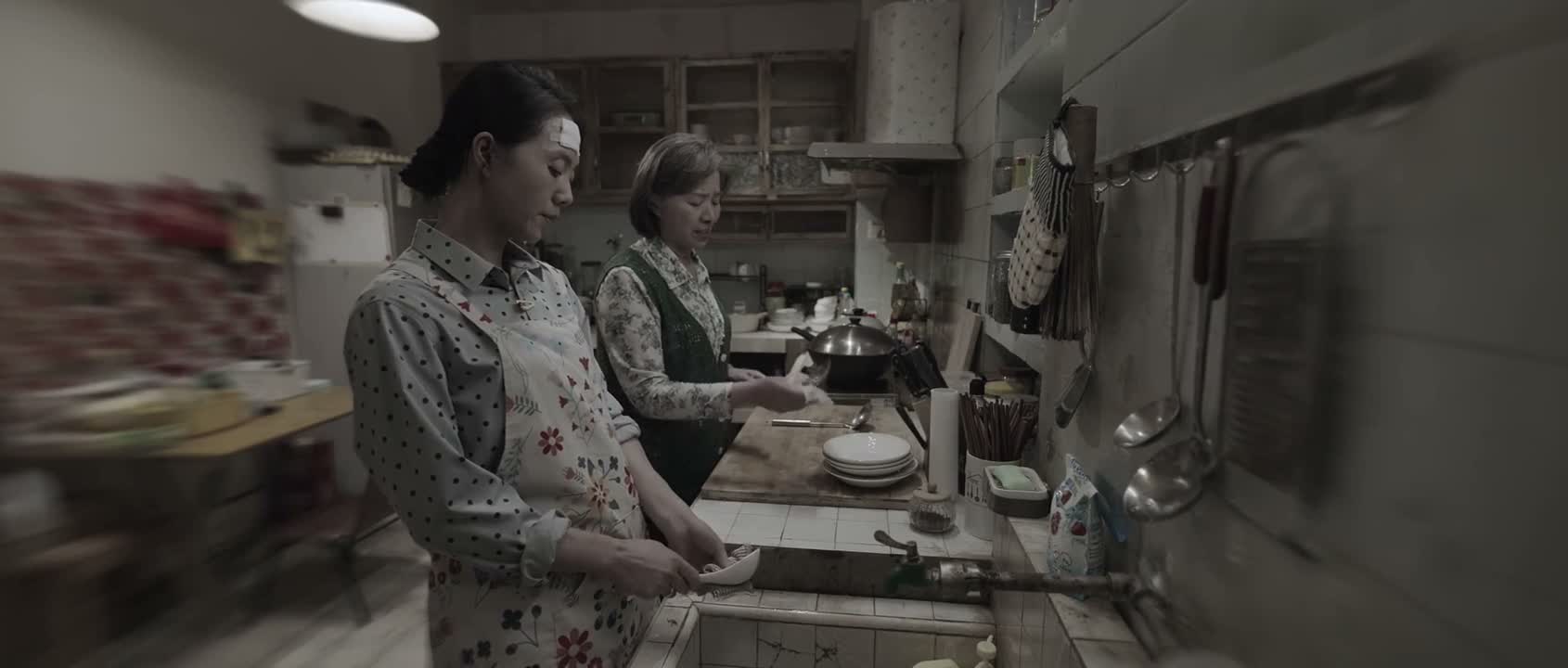 00:02
 00:02
 00:02
[Scene: 其他场景]
(3 clips) 00:03
(千万不能戴出来 那玩意儿可亮了) ── Previous context
“if it catches a bad guy's eye and he has evil intentions, what would you do?”
 00:02
 00:02
[Scene: 家庭日常]
(3 clips) 00:02
 00:03
(墨的现货又没有多少 万一来的人多) ── Previous context
“and you can't supply enough ink? What should we do then? Mother, don't worry.”
 00:02
[Scene: 社交聚会]
(2 clips) 00:03
 00:02
[Scene: 职场工作]
(2 clips) 00:03
(黄哥) ── Previous context
“(Mr. Law asked me to bring him to the set.) (What should I do?)”
 00:02
[Scene: 商务沟通]
(1 clips) 00:04
[Scene: 历史宫廷]
(1 clips) 00:02
(全仗陛下的圣烛独照啊) ── Previous context
“[Action Through Inaction] What would this realm do without me,”
[Scene: 其他场景]
(1 clips) 00:03
(我婆姨要生娃了 哪个能帮帮忙噻) ── Previous context
“You'll see once you get to the hospital! What are we going to do?”
📌 怎么办
→Nuance: 求助对象更明确,表达更口语地道
📌 怎么办
→Nuance: 语气助词变体核心意图一致
📌 没办法
→Nuance: 同样表达无可奈何的困境
📌 想办法
→Nuance: 同为求助焦虑,口吻略有不同
📌 想办法
→Nuance: 核心交际意图均为无措发愁
📌 这样下去
→Nuance: 以发愁反问表达相同担忧
📌 这样下去
→Nuance: 核心句型与发愁意图完全一致
📌 你说
→Nuance: 核心焦虑求助意图完全一致
📌 什么情况
→Nuance: 同为向下属/领导询问情况及对策
📌 来
→Nuance: 均表达对后续应对的担忧发愁