没心
méi xīnCommon spoken expression used by native Chinese speakers in daily life.
[Scene: 其他场景]
(5 clips) 00:03
(宋青松回来了) ── Previous context
“Did you get the thing? I'm not in the mood for this.”
 00:03
(她什么也没有看见) ── Previous context
“That girl has never had a scheming bone in her body.”
 00:03
(姐 有线索了吗) ── Previous context
“Seeing you like this, I don't even feel like teasing you.”
 00:03
(我…) ── Previous context
“Wasn't that fun? Sadly, I'm in no mood to fool around with you.”
 00:02
[Scene: 社交聚会]
(3 clips) 00:02
 00:02
 00:02
[Scene: 家庭日常]
(2 clips) 00:03
(多大的人了 洗个头都这么不利索) ── Previous context
“I know right now, you're not in the mood for this,”
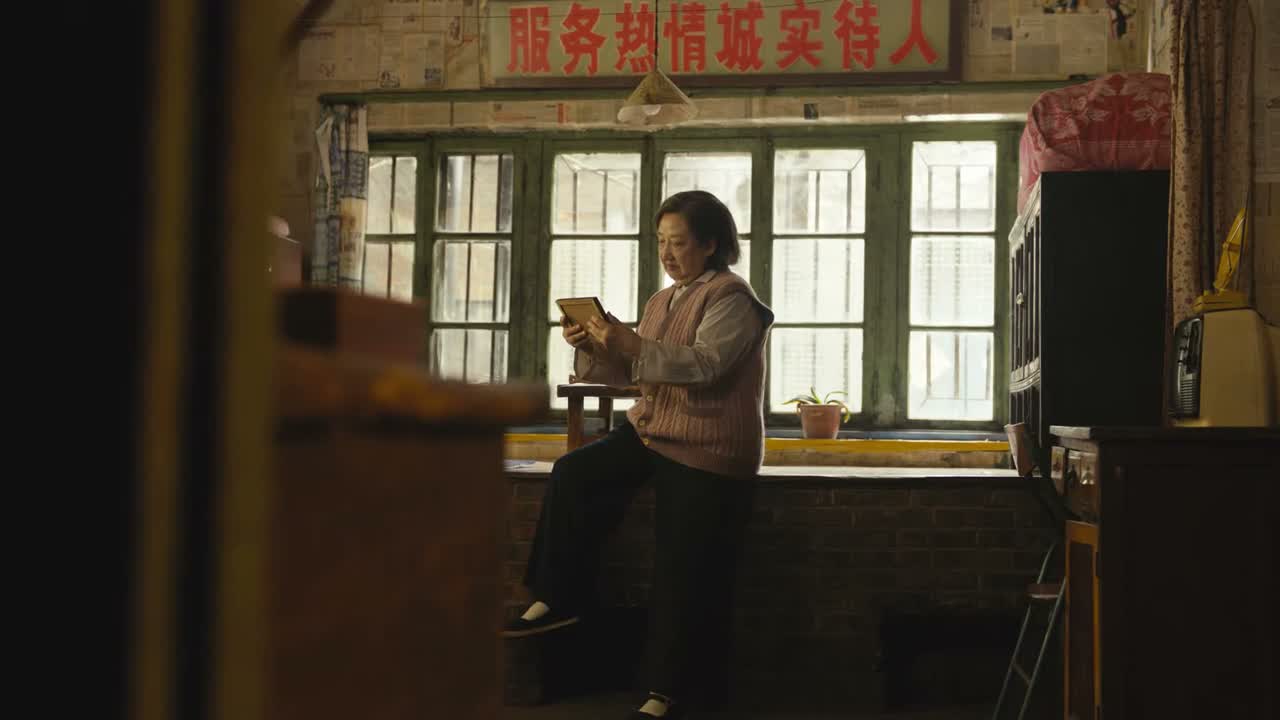 00:02
[Scene: 其他场景]
(1 clips) 00:02
[Scene: 历史宫廷]
(1 clips) 00:02
(县主 内寺伯让你去找他) ── Previous context
“- I'm not in the mood. - Your Ladyship, you should go.”
[Scene: 职场工作]
(1 clips) 00:02
(他回来之后 要处理队里的事情) ── Previous context
“I doubt he's in the mood to talk to you— County Mayor Lin,”
📌 你看看
→Nuance: 同向近义词根配对: [耽误 ↔ 耽搁]
📌 好不好啊
→Nuance: 同向近义词根配对: [这样 ↔ 这么]
📌 浪费时间
→Nuance: 同向近义词根配对: [时间 ↔ 工夫]
📌 上心
→Nuance: 意图相近,均表缺乏动力兴趣
📌 我哪有
→Nuance: 意图相近,侧重无心思顾及其他
📌 不管
→Nuance: 同向近义词根配对: [想法 ↔ 思想]
📌 没怎么
→Nuance: 意图相近,均表缺乏动力兴趣
📌 真是
→Nuance: 同向近义词根配对: [想法 ↔ 思想]
📌 想法
→Nuance: 同向近义词根配对: [想法 ↔ 思想]