拿回来
ná huí láiCommon spoken expression used by native Chinese speakers in daily life.
[Scene: 家庭日常]
(8 clips) 00:02
 00:03
(现在只有凤没有龙了) ── Previous context
“I embroidered them myself. That's a premarital asset.”
 00:02
(那功放跟影碟机) ── Previous context
“The amplifier and the VCD player were brought back in two separate trips.”
 00:02
 00:03
 00:03
(你这小气鬼) ── Previous context
“You get a new one and give me the used one? Then give it back.”
 00:03
(早先你姑姑还没嫁人的时候) ── Previous context
“she brought her meat and textile coupons back home for our family to use.”
 00:02
[Scene: 其他场景]
(2 clips) 00:02
 00:02
[Scene: 其他场景]
(2 clips) 00:02
 00:02
(回来再听) ── Previous context
“When you come back, remember to bring my bag back too. OK.”
[Scene: 职场工作]
(2 clips) 00:02
(我那剧本里还有两个仙女 真的 你俩随便演) ── Previous context
“I will get everything back for you. When the time comes,”
 00:02
[Scene: 商务沟通]
(1 clips) 00:02
[Scene: 餐饮美食]
(1 clips) 00:03
(我就使劲吃那个鱼 但鱼哪有牛肉贵啊) ── Previous context
“I couldn't get my money's worth. It would've been a major loss for us”
[Scene: 警匪刑侦]
(1 clips)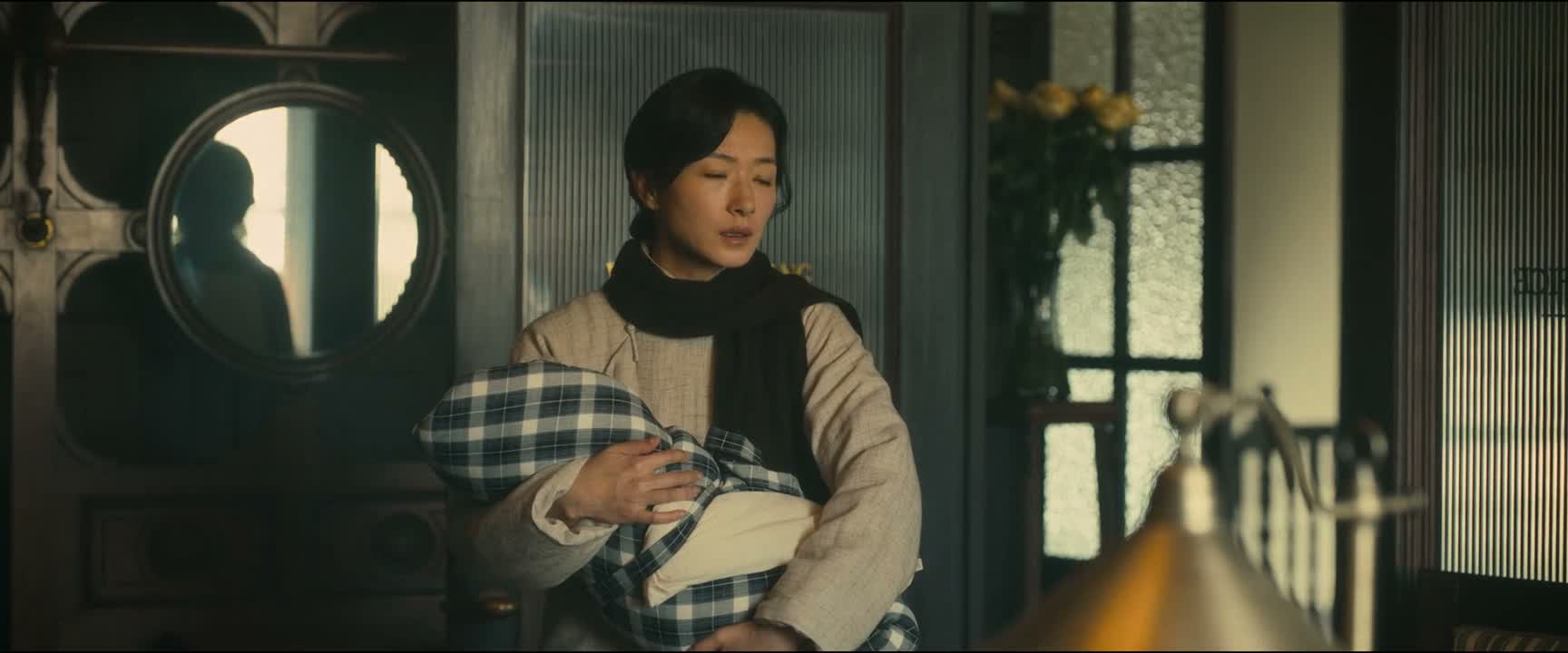 00:03
(凭证大概在 我先生乡下的房子里) ── Previous context
“But now it's occupied by the Japanese. We can't get it back.”
[Scene: 其他场景]
(1 clips) 00:02
📌 尝尝
→Nuance: 同向近义词根配对: [不用 ↔ 不要]
📌 回来了
→Nuance: 同为已拿回,增添无奈口吻
📌 回来了
→Nuance: 均表达对东西被拿回来的惊讶
📌 来了
→Nuance: 同为已拿回,增添无奈口吻
📌 来了
→Nuance: 均表达对东西被拿回来的惊讶
📌 来
→Nuance: 同为已拿回,增添无奈口吻
📌 来
→Nuance: 同向近义词根配对: [不用 ↔ 不要]
📌 拿着
→Nuance: 同向近义词根配对: [不用 ↔ 不要]
📌 我有钱
→Nuance: 同向近义词根配对: [不用 ↔ 不要]