难辞其咎
nán cí qí jiùCommon spoken expression used by native Chinese speakers in daily life.
[Scene: 历史宫廷]
(3 clips) 00:02
((内谒局)) ── Previous context
“The prejudice within the Imperial Medical Office is to blame.”
 00:02
 00:02
[Scene: 其他场景]
(2 clips) 00:02
 00:02
(甚至影响到她的学业与生活) ── Previous context
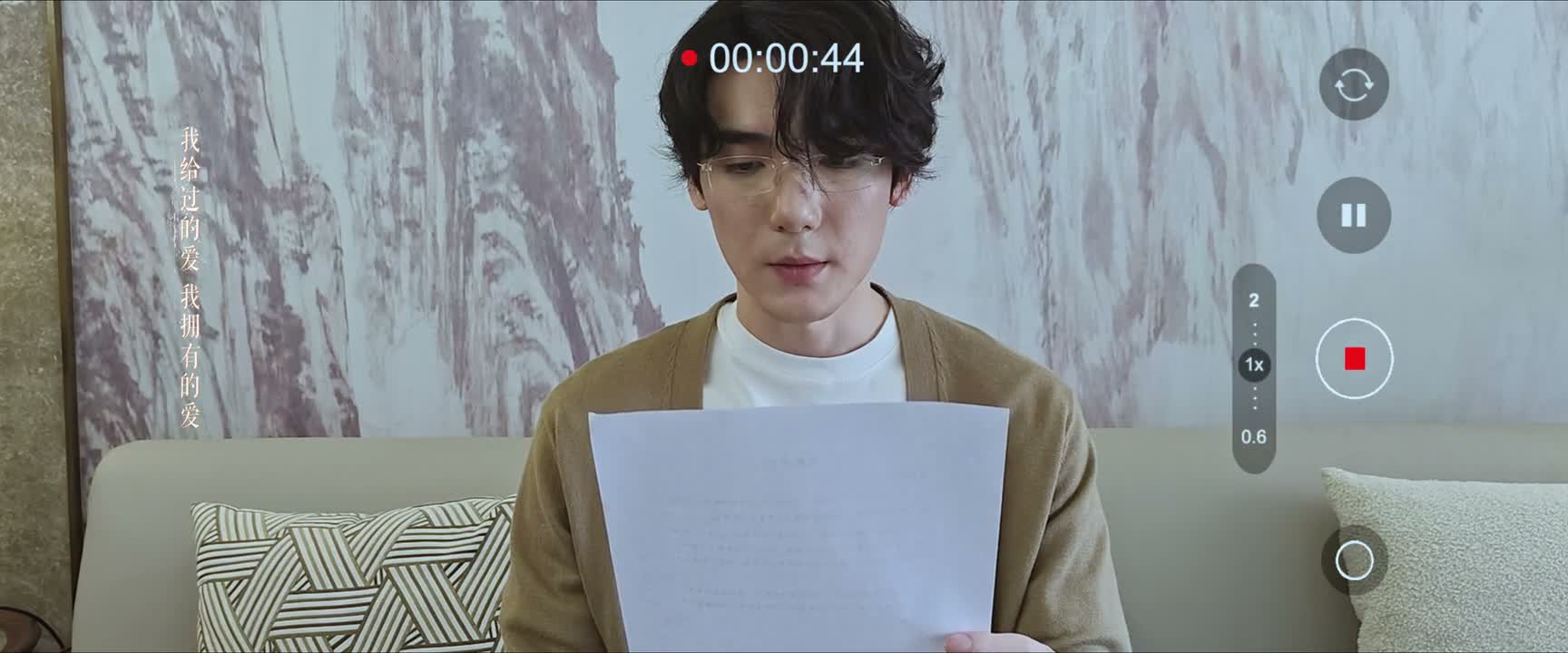
“♪ The love I have given, the love I have received ♪ I am to blame for these consequences.”
[Scene: 家庭日常]
(2 clips) 00:02
 00:03
(媖嫂嫂说得不错) ── Previous context
“We bear unforgivable blame for this. Even if we have to pay compensation,”
[Scene: 职场工作]
(1 clips) 00:02
📌 也难
→Nuance: 同义互换,自指代词不同
📌 真是
→Nuance: 核心语义完全相同,加语气助词
📌 也是
→Nuance: 同向近义词根配对: [结果 ↔ 后果]
📌 就算
→Nuance: 核心表达完全一致
📌 都是我的错
→Nuance: 口语化认错表达更通俗直白
📌 失察的结果
→Nuance: 同向近义词根配对: [结果 ↔ 后果]
📌 罪该万死
→Nuance: 同义成语互换,核心意图一致
📌 是我的错
→Nuance: 口语化认错表达更通俗直白