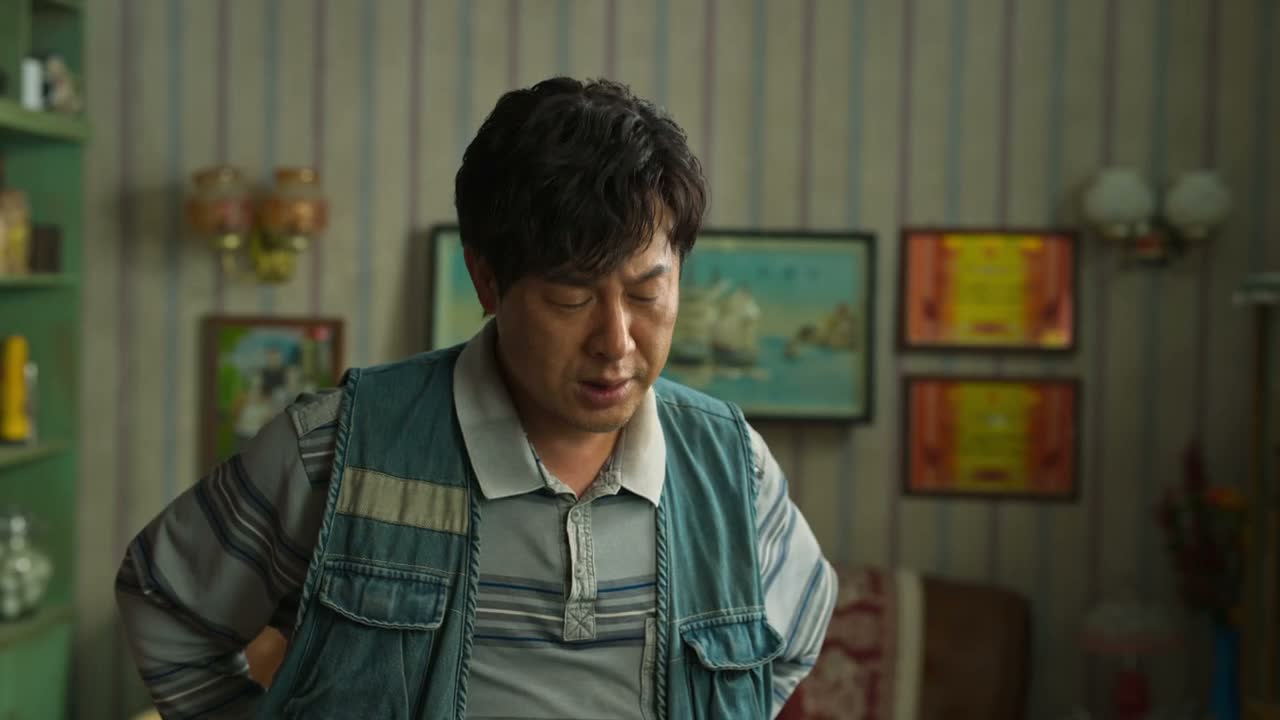
你以为神经病这三个字 没有杀伤力吗
“Do you think the word "crazy" has no power?”
THE DIALOGUE REEL
“That I'm crazy. So what?”
你以为 神经病 这 三个字 没有 杀伤力 吗
“Do you think the word "crazy" has no power?”
我妈
“It's my mom.”
“Do you really think being called 'crazy' isn't hurtful? Don't take verbal abuse so lightly.”
In colloquial Chinese, this term is frequently used as a harsh personal insult. Beyond referring to mental illness, it is commonly hurled at someone whose behavior is deemed unreasonable or absurd, carrying strong moral denigration and psychological hurt.
LEARNING CHUNKS & PARTICLES
rhetorical pattern meaning 'do you really think...', implying that what you assume is mistaken
Often used to refute, interrogate, or criticize the listener's rash or erroneous assumptions.
destructive power; emotional impact or lethality of words or actions
Colloquially borrowed from military terminology to metaphorically describe how hurtful or damaging speech or behavior can be.
Used at the end of a sentence to form a rhetorical question, strengthening the tone of denial and confrontation.
VOCABULARY & EXPRESSIONS
Parallel Spoken Cinema Scenes (语义近邻切片)

“not to believe a single word that lunatic said.”
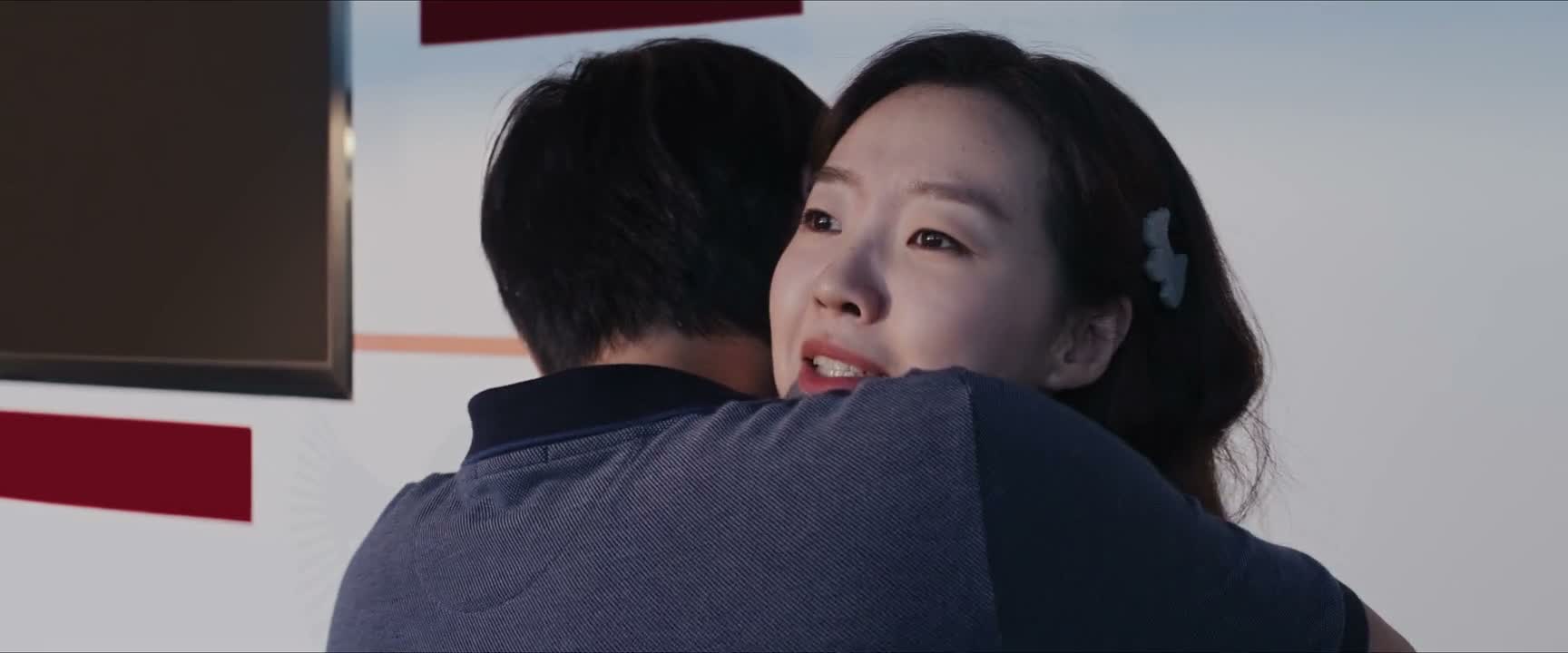
“Are you crazy?”
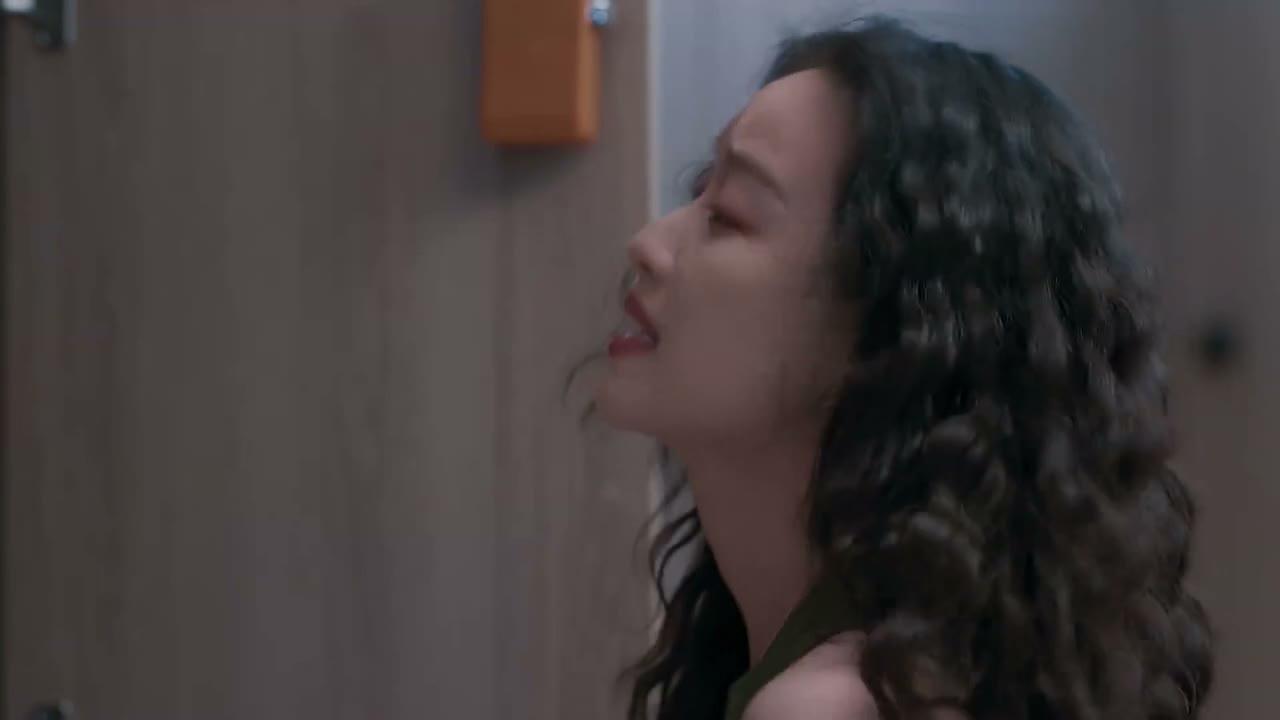
“That I'm crazy. So what?”
“and everyone thinks your whole family is crazy.”
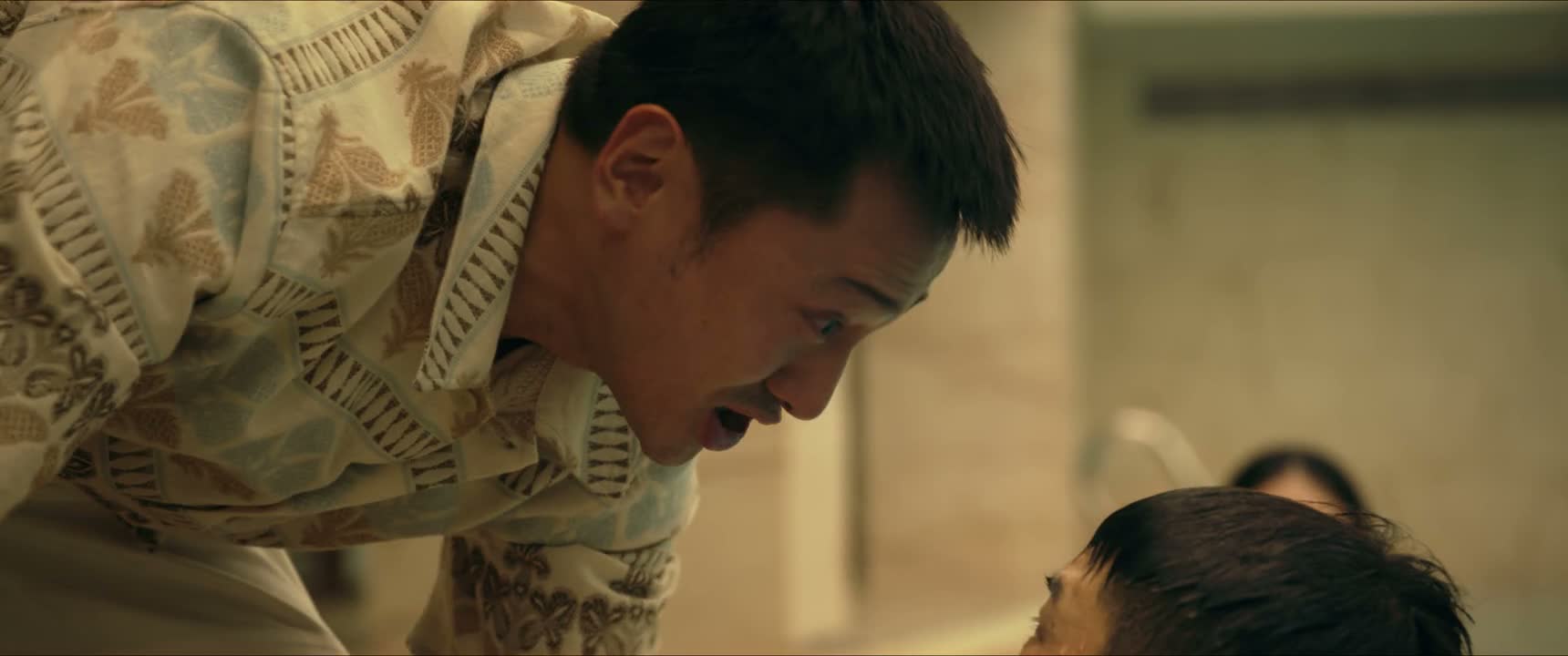
“Are you insane?”
“Are you crazy?”