我们不是说好了要一起离开这里吗
“Didn't we agree to leave here together?”
THE DIALOGUE REEL
我们 不是说好了 要 一起 离开这里 吗
“Didn't we agree to leave here together?”
你究竟为什么要这么做
“Why on earth did you do this?”
“You lied to me and abandoned our plan.”
Using a negative rhetorical question like 'Didn't we...' is a typical way Chinese speakers highlight a breach of trust without directly hurling an insult.
LEARNING CHUNKS & PARTICLES
agreed upon / settled on a plan
Commonly used in spoken Chinese to remind someone of a prior agreement or pact.
to leave this place
A frequent trope collocation in dramatic and daily contexts indicating departure or escape.
Forms a rhetorical question that intensifies the speaker's disbelief and sense of confrontation.
VOCABULARY & EXPRESSIONS
Parallel Spoken Cinema Scenes (语义近邻切片)

“That means we can definitely get out of here.”

“Didn't we come up here together?”

“You also long to leave this place, don't you?”

“We won't be going with you.”

“So how do we leave this illusion?”
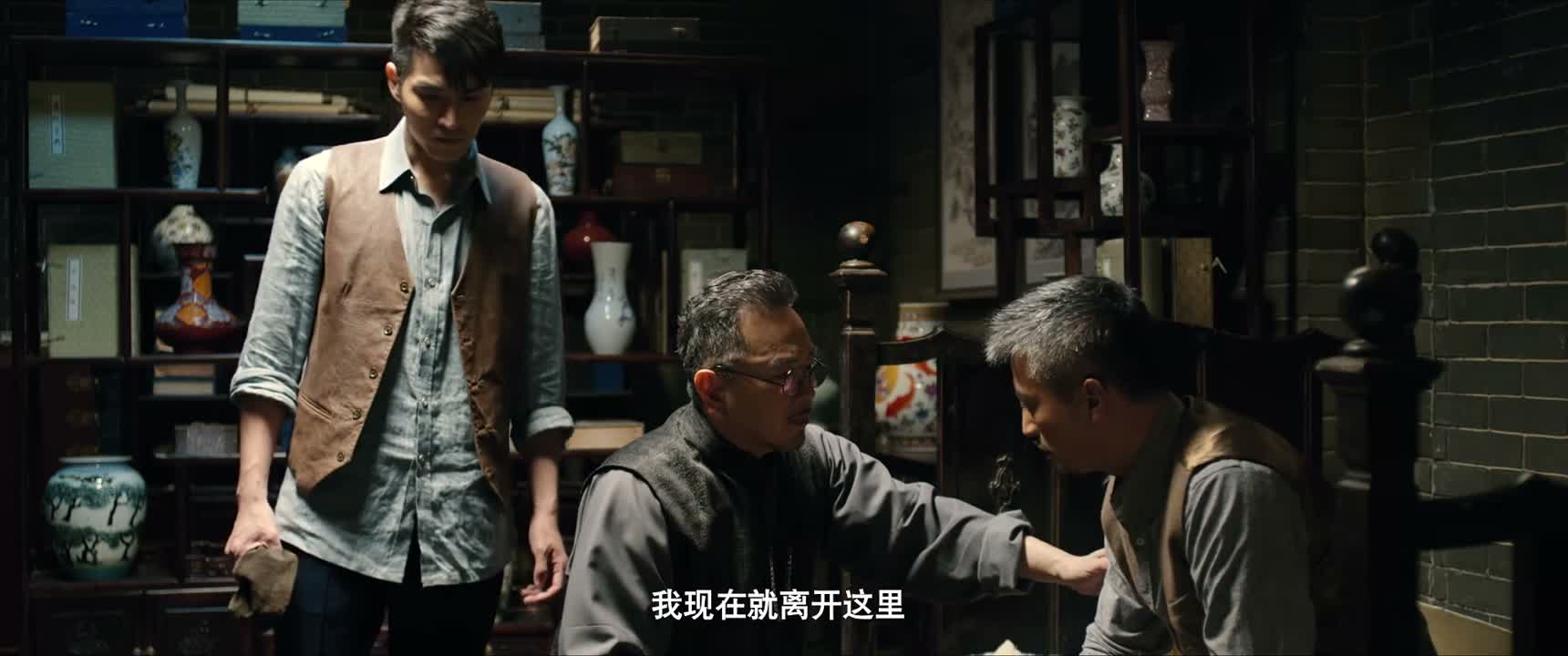
“I'll leave here right now.”