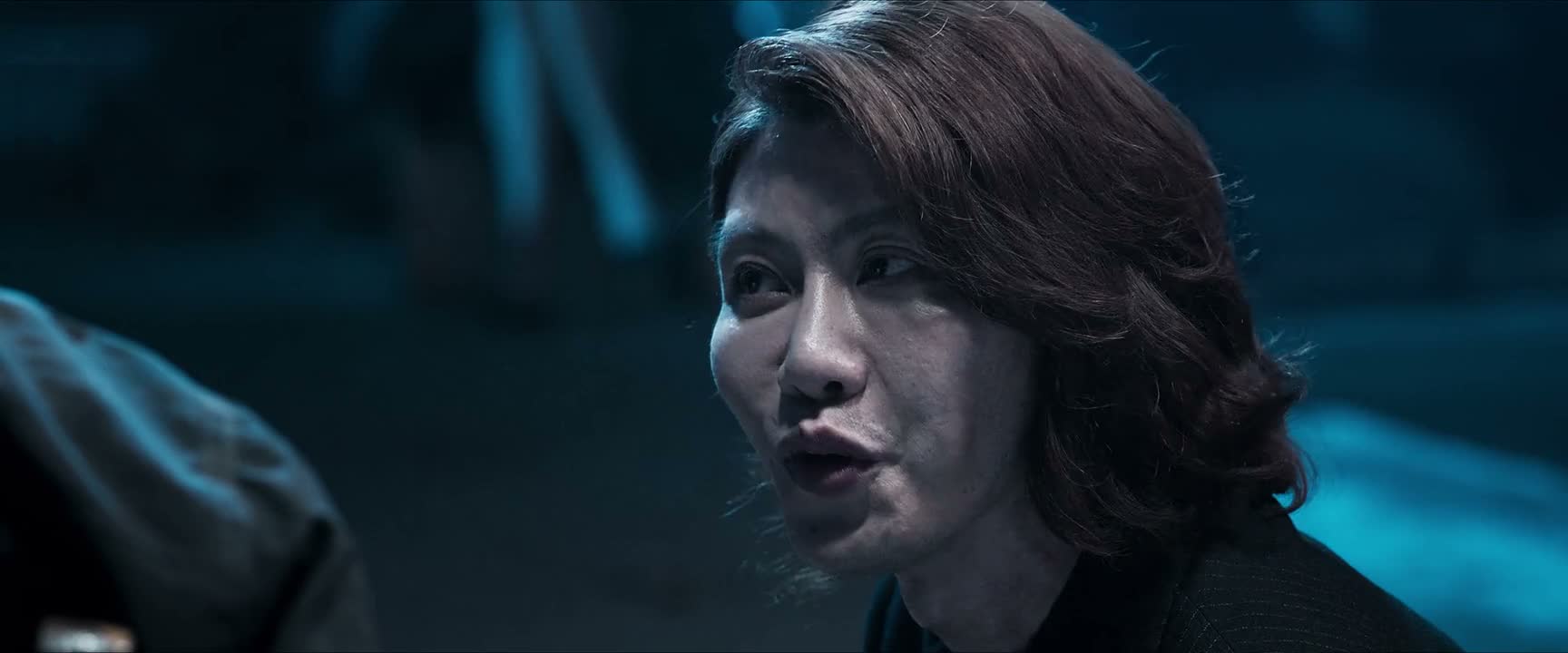
《Cage of Shadows》 S1·E18 (08:28)
HSK 7
ruò bú shì wèi le gěi shěn láng bào chóu
若不是为了给沈郎报仇
“If it weren't to avenge Nian'an,”
《Cage of Shadows》
S1·E18
TIMECODE: 08:28
·
1080P MASTER AUDIO
THE DIALOGUE REEL
[-1] PREVIOUS TURN
bú shì ma
不是吗
“Isn't that right?”
ruò bú shì wèi le gěi shěn láng bào chóu
CURRENT FOCUS
若 不是为了 给 沈郎 报仇
“If it weren't to avenge Nian'an,”
[+1] FOLLOW-UP TURN
wǒ kǒng pà zǎo jiù suí tā qù le
我恐怕早就随他去了
“I'm afraid I would have died with him long ago!”
Subtitles synced to millisecond timecode
Browse Show Clips →
Scene:
Crisis & Conflict
Function:
DECLARING RESOLVE
Tone:
GRIM AND DEFIANT
Emotion:
GRIEF
WHAT THEY REALLY MEAN (PRAGMATIC SUBTEXT)
“I care nothing for my life or your wishes; I am living only to destroy whoever killed him.”
💡 Cultural Insight: Devotion and Martyrdom in Romance (Qing Chi)
In classical Chinese drama, dying for love or dedicating one's remaining existence exclusively to avenging a deceased lover embodies the ideal of absolute emotional loyalty ('qing').
INTENT TAGS:
#defiance
#vengeance
#resoluteness
#declaration_of_intent
🧩
2 CHUNKS · 0 PARTICLES
LEARNING CHUNKS & PARTICLES
若不是
SPOKEN CHUNK
were it not for; if not for
A formal grammatical construction used to introduce a crucial counterfactual condition or overriding motive.
报仇
SPOKEN CHUNK
to take revenge; to avenge
Commonly combined with '给 someone' or '为 someone' to indicate seeking vengeance on behalf of another.
🏮
2 EXPR · 13 GRAMMAR
VOCABULARY & EXPRESSIONS
CROSS-CINEMA CORPUS BOARD · PARALLEL SCENES
EXPLORE BY SEMANTIC SIMILARITY
Parallel Spoken Cinema Scenes (语义近邻切片)
《Cage of Shadows》 S1·E18 (08:28) · Authentic Cinema Dialogue Corpus