难道凶手能凭空出现吗
“Could the killer have appeared out of thin air?”
THE DIALOGUE REEL
景少卿与二王子三人
“and Second Prince were inside the meditation room.”
难道 凶手 能 凭空出现 吗
“Could the killer have appeared out of thin air?”
外臣知道
“I know”
“Stop making absurd excuses; the culprit is clearly one of the people right in front of us.”
High-ranking officials or royalty frequently employ rhetorical questions with '难道' to assert authority and dismantle inferior arguments without directly offering counter-evidence.
LEARNING CHUNKS & PARTICLES
could it be that...?
Used at the beginning of a sentence to introduce a rhetorical question expressing strong disbelief.
out of thin air; without basis
Used before verbs like appear, fabricate, or imagine to indicate something lacking physical origin or factual foundation.
Marks the rhetorical question, demanding the listener reconsider their illogical premise.
VOCABULARY & EXPRESSIONS
Parallel Spoken Cinema Scenes (语义近邻切片)
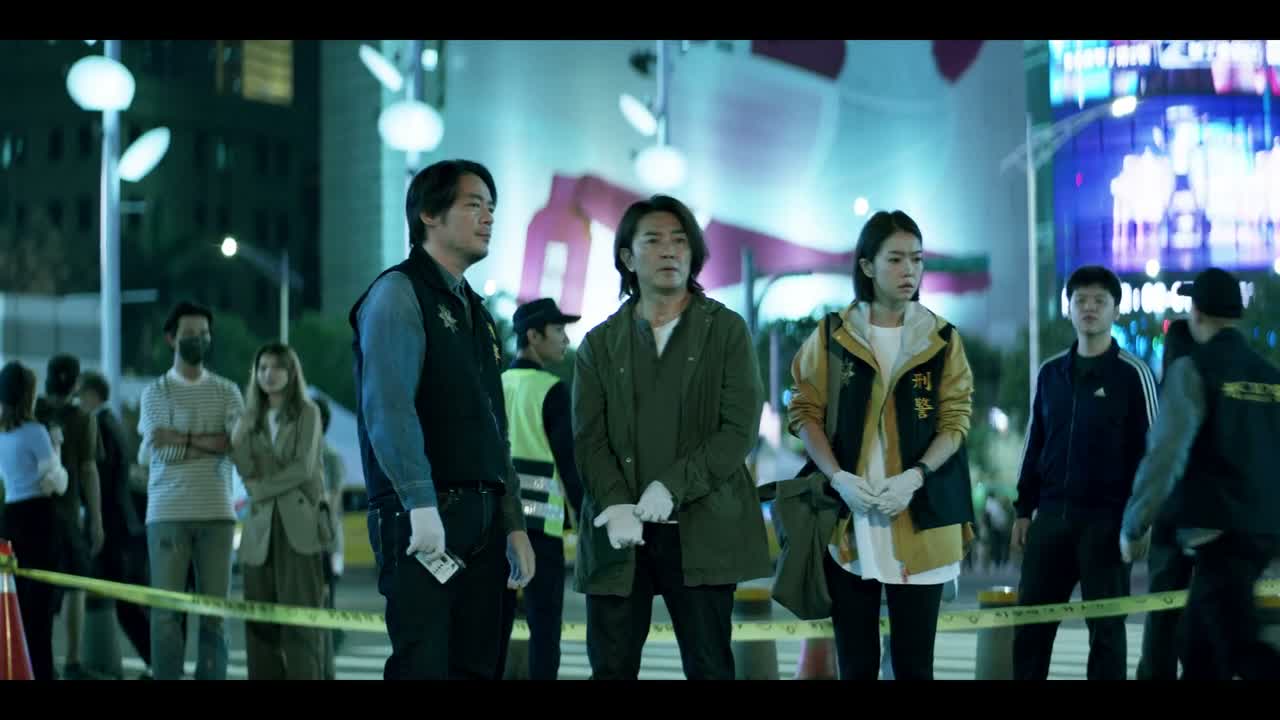
“- No eyewitnesses came forward? - No.”

“Could the murderer be someone else?”

“do you think he's the killer?”

“But you said the killer would make another move.”

“Even if there was a third person, you can't prove he is the murderer.”

“It means the killer planned”