哎呦 他就是爱摆臭脸而已啦
“Don't worry about him. He's always in a bad mood.”
THE DIALOGUE REEL
对啊 他今天好像心情很糟 害我都不敢上去
“- You here for Han? - Yes, I am. But he's in a very bad mood, so I don't dare go up there.”
哎呦 他就是 爱 摆臭脸 而已 啦
“Don't worry about him. He's always in a bad mood.”
“He's actually very warm under the surface.”
“Don't be scared of him; he always looks grumpy, but he won't actually hurt you.”
In Chinese interpersonal communication, distinguishing between genuine anger and an habitual cold exterior ('摆臭脸') is a vital social skill often discussed in casual gossip.
LEARNING CHUNKS & PARTICLES
habitually putting on a grumpy or sour face
A lively colloquial idiom used to describe someone who frequently scowls or appears unapproachable.
merely, that's all
A combination of '而已' (only) and the particle '啦' commonly used in southern and Taiwanese Mandarin to downplay the severity of an issue.
Softens the assertion and adds a reassuring, dismissive tone to help comfort the interlocutor.
VOCABULARY & EXPRESSIONS
Parallel Spoken Cinema Scenes (语义近邻切片)
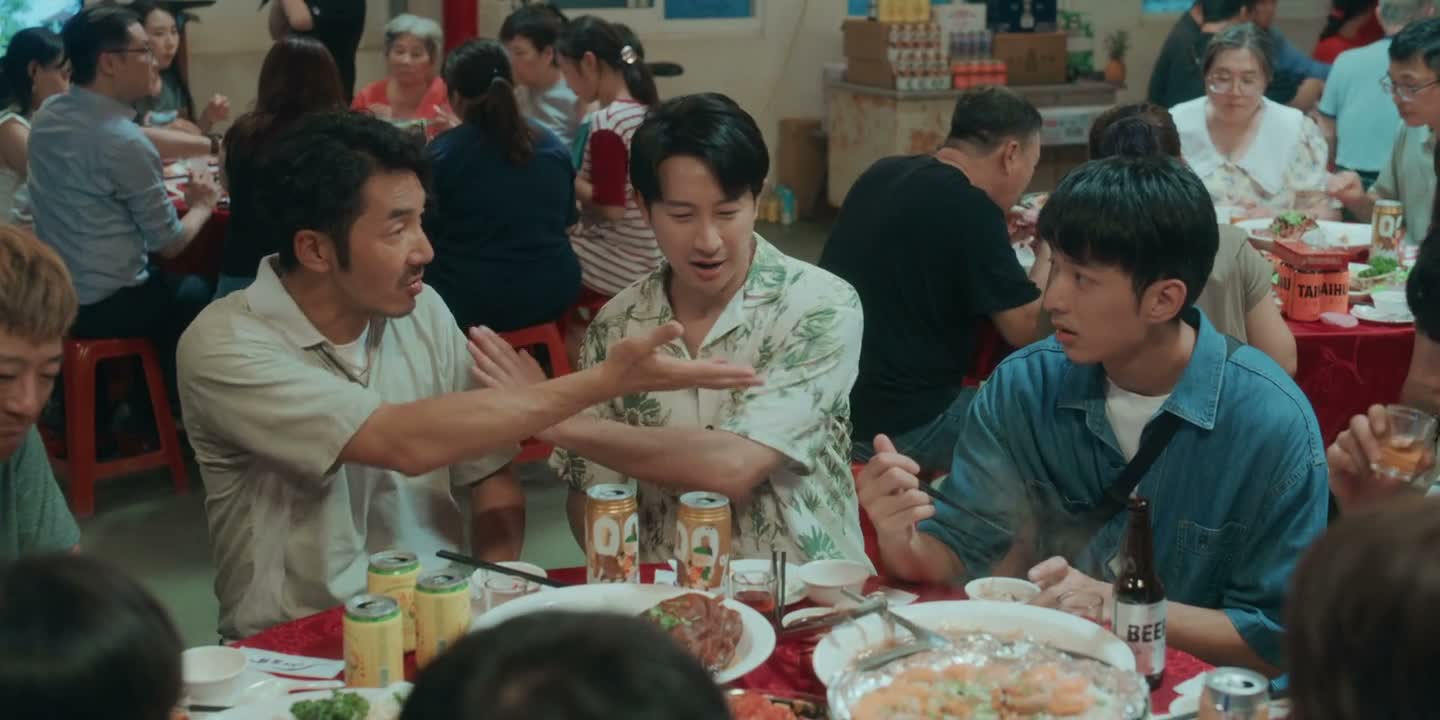
“What's with that face all day?”
“Hey! Wait.”

“What a cute young lad!”
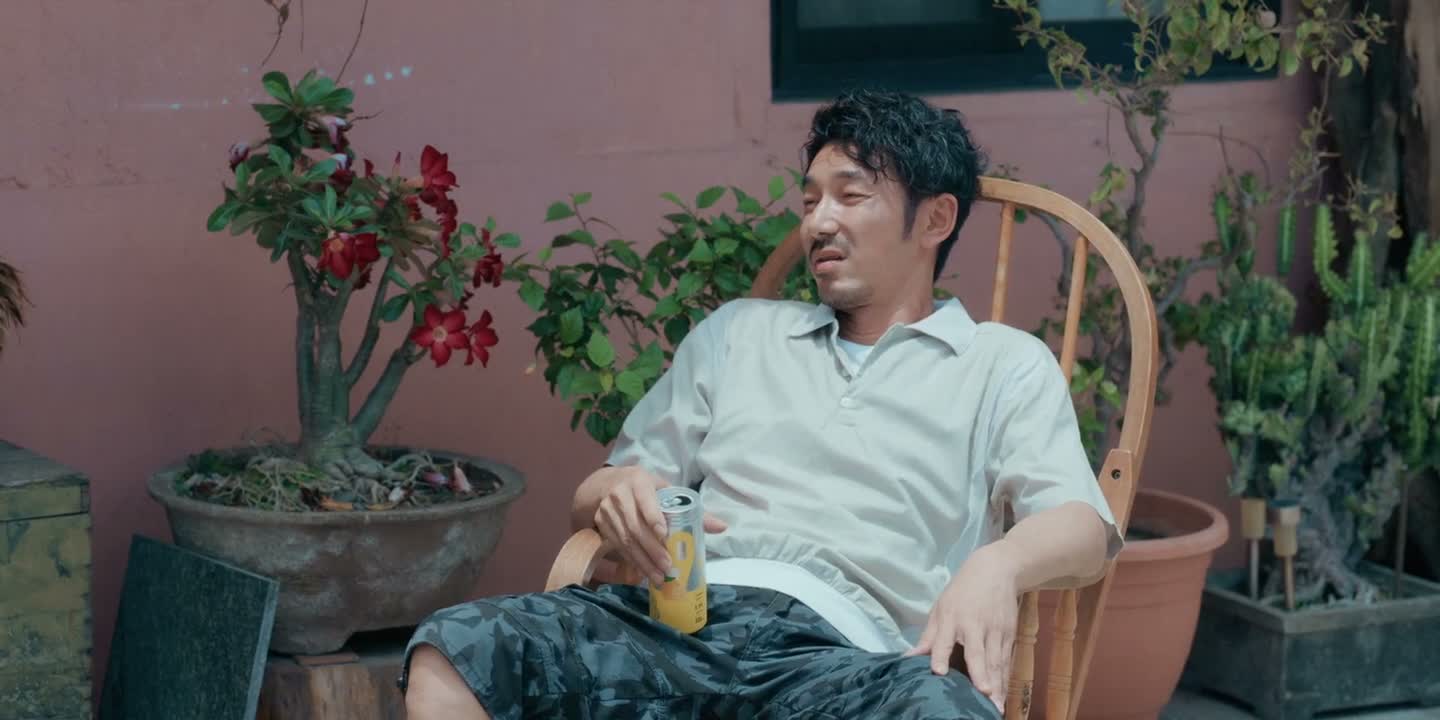
“And you come back with that face?”

“How shameless.”

“You know, even though you frown a lot, underneath, you're really a good guy.”