我是那看孩子的人吗
“Do I look like the type to watch kids?”
THE DIALOGUE REEL
天天出来瞎晃
“but wandering around out here all day instead?”
我是 那 看孩子 的人吗
“Do I look like the type to watch kids?”
咱停工之后吧
“After we got laid off,”
“You know very well I am not the type to sit around taking care of kids!”
Northern Chinese speakers frequently use rhetorical questions to defend their self-worth or dignity, especially when rejecting mundane domestic duties.
LEARNING CHUNKS & PARTICLES
Am I the kind of person who would...?
A very common rhetorical frame used to strongly deny an accusation or reject a role that does not fit one's self-image.
Marks a rhetorical question that expects a strong negative agreement from the listener.
VOCABULARY & EXPRESSIONS
Parallel Spoken Cinema Scenes (语义近邻切片)

“can we at least see our kids? Yeah!”

“I'm just here to see the child. I'll just see the kid and go. I just wanted to know where you live.”
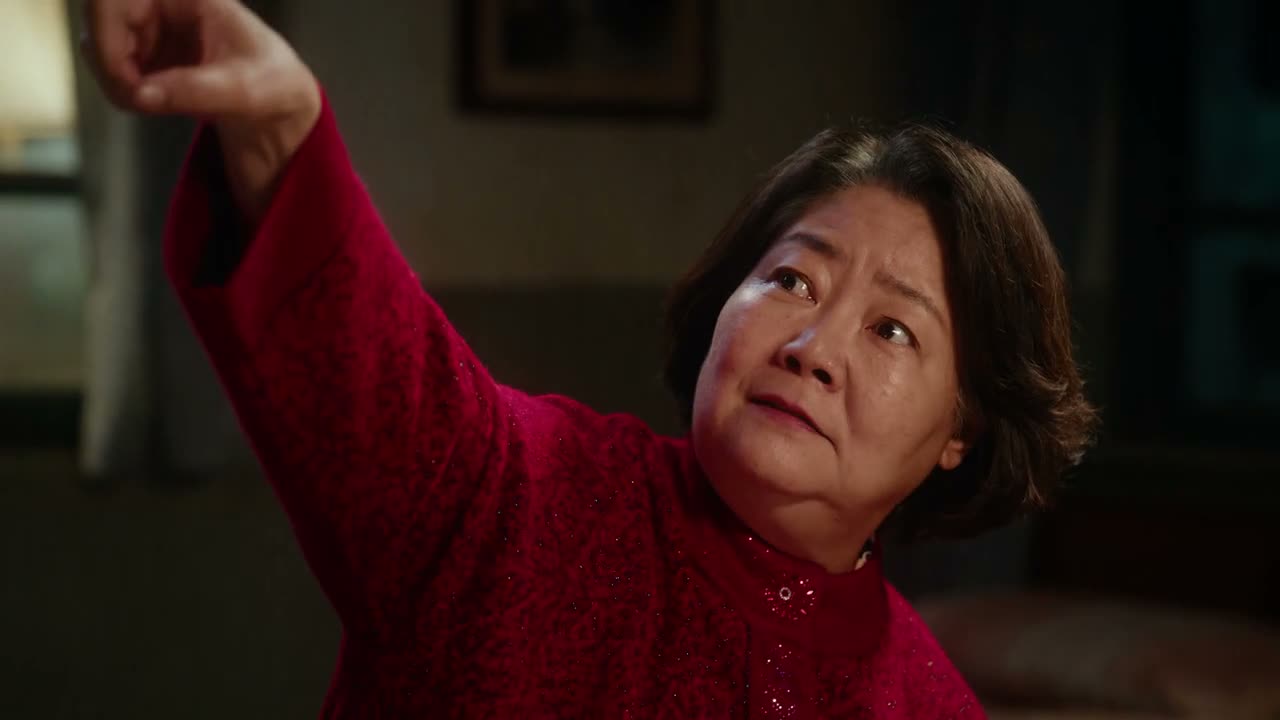
“'Look, that's my son!'"”
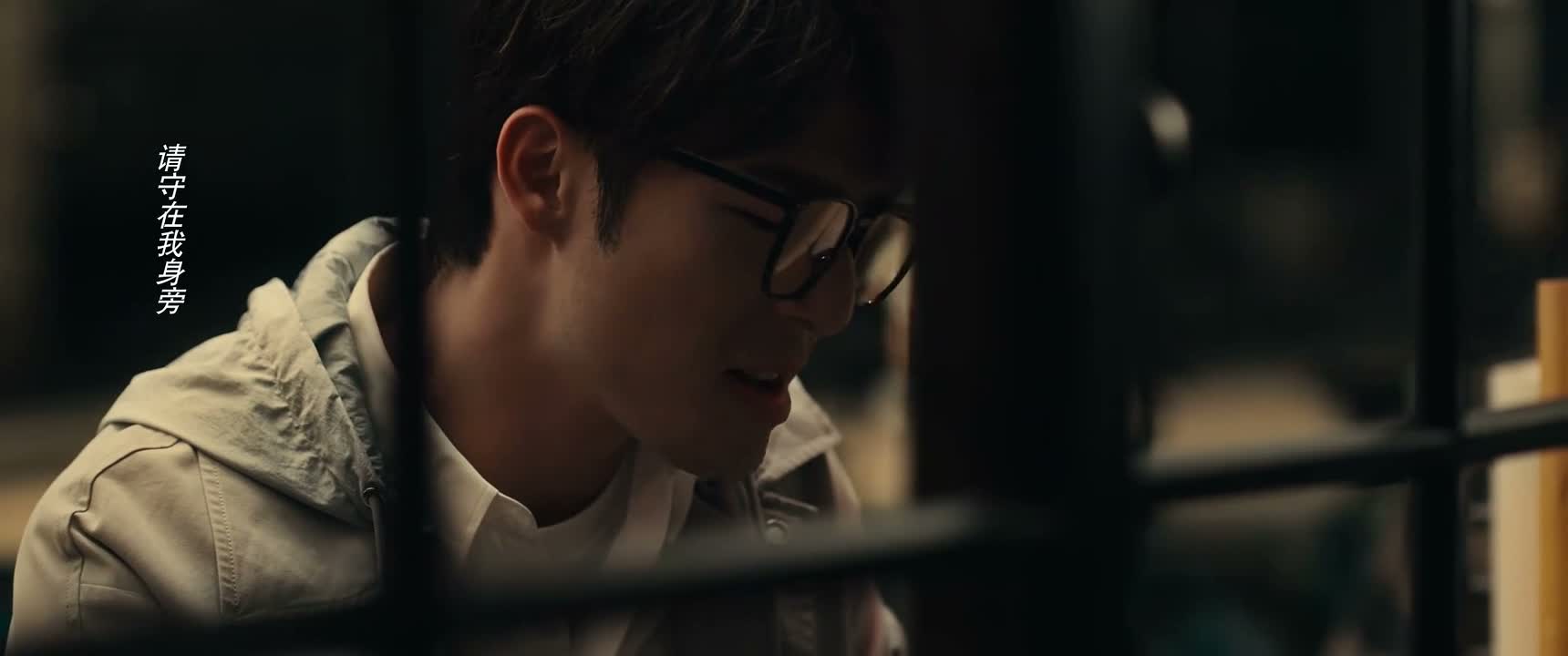
“Your mom would definitely have liked me.”
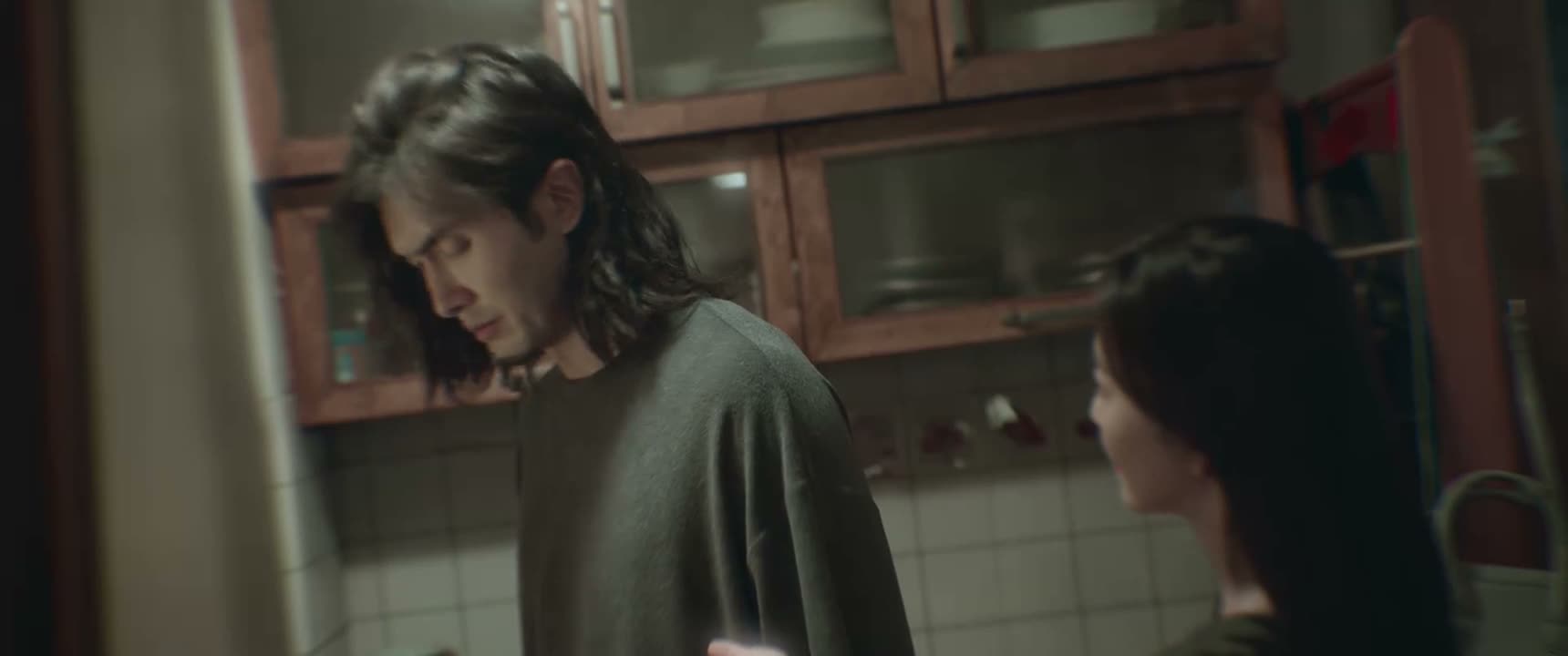
“What's there to see? Are you a kid?”
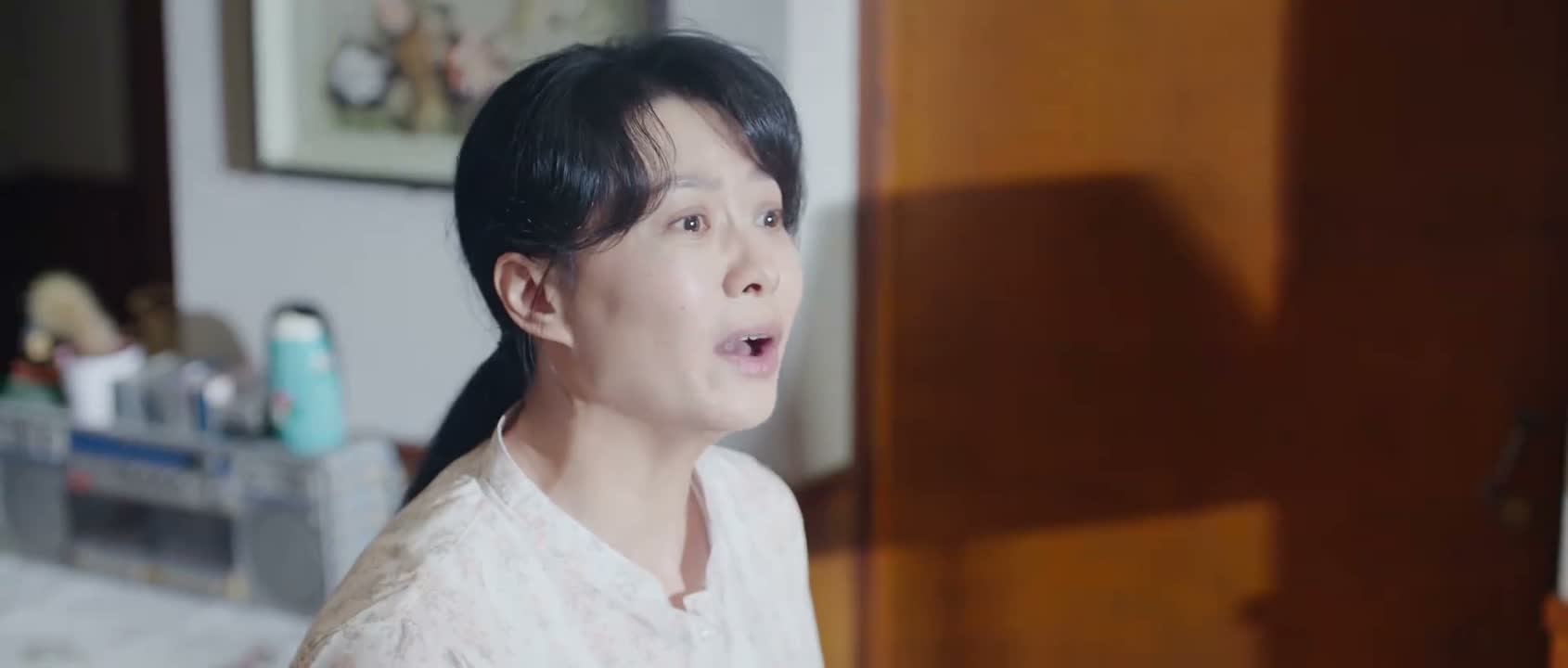
“What's wrong with wanting my own child?”